

Choosing the best Hawaiian island for your trip is less about finding a single "winner" and more about matching each island’s character to the way you like to travel. Oahu, Maui, Kauai, and the Island of Hawaii (often called the Big Island) all offer iconic beaches, rich Native Hawaiian culture, and lush volcanic landscapes, but each feels very different on the ground. Understanding those nuances will help you build an itinerary that fits your time, budget, and expectations.
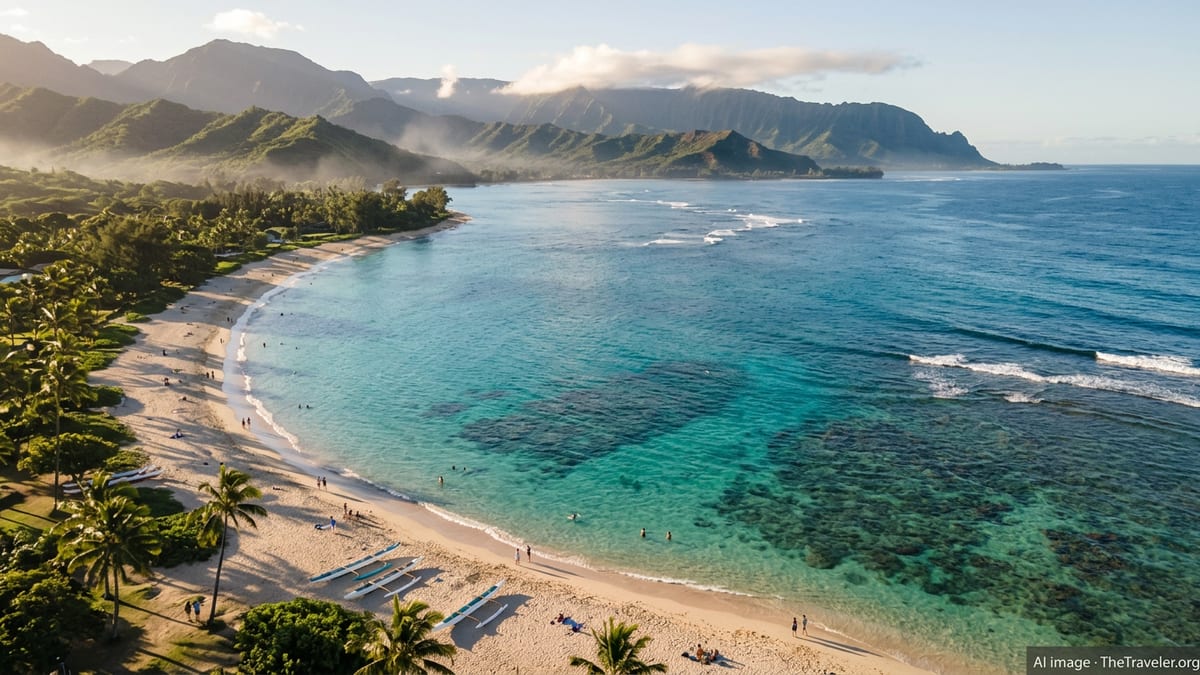
How to Choose the Right Hawaiian Island for You
Each of Hawaii’s four main visitor islands has a distinct personality. Oahu blends city energy with famous surf breaks and a deep sense of living history. Maui is beachy and resort-oriented, with a strong emphasis on respectful tourism as it continues long-term recovery from the 2023 Lahaina wildfires. Kauai feels raw and wild, with emerald cliffs and a slower, more rural rhythm. The Big Island is defined by its volcanic drama, wide open spaces, and some of the state’s most striking contrasts in climate and scenery.
There is no single best island overall. Instead, think in terms of priorities. If this is your first trip and you want a bit of everything without too much logistics, Oahu or Maui are usually the easiest fits. If you crave quiet trails and cinematic landscapes over nightlife, Kauai may rise to the top. If you are fascinated by geology, stargazing, and road tripping from lava fields to rainforests, the Big Island is hard to beat.
Time matters, too. With a week, many travelers choose one island and explore more deeply, or pair Oahu with one neighbor. With 10 days or longer, island-hopping becomes more appealing, but interisland flights still add cost and time. Consider building your trip around a primary “home base” island that fits your travel style, then adding a short side trip if your schedule and budget allow.
Finally, remember that Hawaii is a living home, not a theme park. On every island, you will encounter communities still balancing tourism with local needs, especially on Maui. Opt for businesses that prioritize local ownership and sustainability, follow posted guidance around sensitive sites, and travel with an attitude of care for land and people. It will deepen your experience and support the places you’ve come to enjoy.
Oahu: Best for First-Timers, History, and Urban Energy
Oahu is often the entry point to Hawaii and a strong choice for first-time visitors. Honolulu delivers a true city experience set against a tropical backdrop, with high-rise hotels, busy streets, and a dining scene that ranges from plate lunches and food trucks to acclaimed restaurants. Waikiki is lively almost around the clock, with an easily walkable beachfront strip where you can swim in gentle surf by day and hear live music by night.
Beyond Waikiki, Oahu offers some of Hawaii’s most significant cultural and historic sites. Visitors can learn about Native Hawaiian history and arts at museums and cultural centers, or spend time at memorials and museums that interpret pivotal twentieth-century events. Scheduling at least one day for this side of Oahu gives important context and can provide a thoughtful balance to pure beach time.
The island’s compact size makes it straightforward to rent a car for a day trip around the coastline. The famed North Shore still feels noticeably more relaxed than Honolulu, with surf towns, shrimp trucks, and in winter months impressive waves that draw seasoned surfers from around the world. On the windward side, you’ll find dramatic mountains dropping down to calm bays, as well as family-friendly beaches with usually gentler conditions compared with the open North Shore in big-swell season.
Oahu does come with trade-offs. Traffic can be heavy around Honolulu, and popular viewpoints and beaches can feel crowded in peak periods. If you are seeking complete seclusion or want to avoid cities entirely, this may not be your top choice. But if you want convenient flight connections, a wide range of accommodation and dining options at different price points, and a schedule that can flex between urban and nature-focused days, Oahu is extremely versatile.
Maui: Beaches, Scenic Drives, and Travel With Sensitivity
Maui has long been associated with soft-sand beaches, honeymoon resorts, and iconic drives, and much of that appeal remains. However, any trip planning today should factor in the island’s ongoing recovery from the catastrophic 2023 Lahaina wildfires. Large portions of West Maui’s tourism infrastructure are open and welcoming visitors, but Lahaina itself still includes restricted and rebuilding areas, and residents continue to navigate housing and economic challenges as recovery stretches into the mid-2020s.
Local and state officials consistently stress that tourism, approached respectfully, is a key part of Maui’s recovery. Most resort areas, beaches, and major attractions across the island are operating normally, and new businesses continue to open or relocate. Travelers are encouraged to stay informed about current guidance, avoid entering closed zones, and support local enterprises, particularly those owned by island residents. Simple choices such as eating at locally run restaurants, booking community-based experiences, and listening carefully to any fire-related signage or instructions can make a meaningful difference.
From a purely traveler perspective, Maui still offers some of Hawaii’s most appealing classic experiences. The slopes of a towering dormant volcano provide one of the most memorable sunrise or sunset viewpoints in the state, conditions and reservations permitting. The famous coastal road that traces Maui’s lush eastern side remains a full-day adventure of waterfalls, sea cliffs, and one-lane bridges. South and West Maui feature an array of beaches, from family-friendly coves to long stretches of sand suited for walking, snorkeling, or seasonal whale watching.
Because of its mix of polished resort areas and scenic variety, Maui works especially well for couples and families who want a primarily beach-focused holiday with a few high-impact excursions. It is less ideal if you are trying to avoid any signs of post-disaster rebuilding, as some evidence of the fires and temporary housing remains visible in parts of West Maui. For many visitors, though, traveling thoughtfully to Maui now means enjoying a beautiful island while directly contributing to its long-term healing.
Kauai: Wild Landscapes and a Slower Pace
Kauai is often called the Garden Island, and the nickname is apt. This is the place to come if your mental image of Hawaii leans more toward soaring green cliffs and rain-draped valleys than city skylines. Much of the island feels rural, with small towns, single-lane highways, and long interruptions of pure coastline or jungle between settled areas. Development is intentionally limited compared with Oahu and Maui, which keeps night skies dark and crowds smaller, but also means fewer large resorts and shopping centers.
On Kauai’s north and west, the scenery turns dramatic. Sheer sea cliffs and deeply carved valleys create one of the most photographed coastal landscapes in the Pacific, accessible by viewpoints along the road, hiking trails for experienced trekkers, and permitted boat or helicopter tours in suitable weather. Inland, high plateaus and cloud forests preserve rare ecosystems, with boardwalk trails in some areas that allow visitors to experience the landscape while protecting fragile ground.
The south shore generally offers sunnier, more predictable weather, along with a cluster of beaches popular with both visitors and residents. Smaller beach parks and coves along the east and north shores can be idyllic when conditions are calm, but surf and currents can turn hazardous, especially in winter. As on all islands, paying close attention to local warnings and posted signs is critical, and many travelers find it worth consulting lifeguards before entering unfamiliar waters.
Because of its quieter, more nature-forward feel, Kauai particularly suits travelers who are happy with earlier nights, simpler dining options, and more time on trails or at lookouts than in shops. It can be a magical choice for photographers, hikers, and repeat Hawaii visitors who have already experienced the more developed islands. If your ideal evening involves strolling through a busy nightlife district, though, you may be happier basing on Oahu or Maui and visiting Kauai on a future trip.
The Big Island: Volcanoes, Stargazing, and Wide Open Spaces
The Island of Hawaii, commonly called the Big Island, is exactly that: big. It is larger than all the other Hawaiian islands combined, and that size creates dramatic diversity. In a single trip you can move from lava fields and black-sand beaches to rainforests, ranch country, and high-altitude observatories. Driving distances are longer here than on other islands, but the reward is a sense of space and variety that feels different from more compact neighbors.
Hawaii Volcanoes National Park remains one of the island’s marquee attractions. Trails, scenic drives, and lookouts allow visitors to explore craters, past lava flows, and native forests, though specific areas may be closed at times for construction or safety. Kilauea has gone through intermittent eruptive activity in recent years, with periods of lava fountains followed by pauses. Because conditions can change quickly, eruption viewing is never guaranteed, and visitors should check current park and civil defense updates while planning and again right before visiting.
Volcanic activity also shapes daily life in less dramatic ways. On days when trade winds shift, vog, a haze of volcanic emissions and fine particles, can affect air quality, particularly in parts of the island’s south. Health authorities periodically issue advisories for sensitive groups, including people with asthma or other respiratory conditions. If you fall into those categories, it is wise to discuss travel plans with a medical professional and remain flexible with outdoor activities during episodes of poor air quality.
Beyond the park, the Big Island offers standout snorkeling and diving in its clearer leeward waters, as well as seasonal marine life viewing opportunities. Historic seaside towns share coastlines with modern resort areas, and inland ranchlands on the north side evoke a different facet of island life. Higher elevations bring cooler temperatures and, when conditions are right, some of the best stargazing available to the casual traveler. Overall, the Big Island is ideal for independent-minded visitors comfortable with more driving who want a mix of geology, culture, and outdoor exploration.
When to Visit and Practical Planning Tips
Hawaii’s weather is relatively mild year-round, but conditions and crowd levels still vary by season. Winter months typically bring larger surf to north-facing shores, which can be thrilling to watch but unsafe for casual swimming. These same months attract visitors escaping colder climates, so popular beaches and resort areas tend to feel busier and prices can rise. Spring and fall shoulder seasons often offer a balance of pleasant weather and somewhat lighter crowds, though holidays and school breaks can still be busy.
Different islands have their own microclimates. Windward (east and northeast) sides are generally wetter and greener, while leeward (south and west) sides are drier and sunnier. On Kauai, that might mean clearer skies more often on the south shore than the north in winter. On the Big Island, planning extra days around volcano viewing, high-altitude stargazing, or boat excursions gives you flexibility to work around passing showers, vog episodes, or choppy seas.
Accommodation availability can fluctuate, especially as Maui continues to balance long-term housing needs for wildfire survivors with visitor demand. Some short-term rentals across Hawaii are also affected by evolving local regulations aimed at addressing housing pressures. Booking early, choosing properties with clear licensing information, and being prepared for minimum-stay rules will reduce stress. Many travelers find it helpful to prioritize areas with lifeguarded beaches and nearby services, particularly when visiting with children or older family members.
Regardless of the island, renting a car unlocks more of Hawaii’s scenery and small-town life. Public transit exists but is not designed for comprehensive sightseeing. At the same time, driving comes with responsibilities: respect posted parking rules, avoid blocking residential access, and stick to established roads and trails rather than venturing onto unpaved private or culturally sensitive lands. Choosing smaller, fuel-efficient vehicles where practical also helps reduce congestion and environmental impact.
Responsible and Respectful Travel Across the Islands
Across Oahu, Maui, Kauai, and the Big Island, communities continue to discuss how tourism can coexist with local needs. The Lahaina fires in 2023 brought this into sharp focus, highlighting both how dependent many residents are on visitor spending and how vulnerable they can be when housing and infrastructure are strained. In response, local authorities and organizations have promoted concepts such as mindful travel and care for place, encouraging visitors to participate in ways that support, rather than overwhelm, island communities.
On a practical level, respectful travel looks like following all posted rules at beaches, trails, and historic sites; packing out your trash; staying behind barriers; and never touching or standing on coral. It means driving patiently, avoiding loud or disruptive behavior in residential areas, and recognizing that sites which feel purely scenic to visitors may carry deep cultural or spiritual meaning for Native Hawaiians. When in doubt, ask local guides or staff for guidance and take their cues seriously.
Economic choices matter as well. Opting for locally owned accommodations where possible, booking tours with companies that employ resident guides, and prioritizing restaurants and shops that source locally all help keep more of your travel dollars in the islands. On Maui in particular, you may find opportunities to join volunteer days or donation-based experiences that directly benefit restoration projects, from tree planting to cultural site maintenance.
Above all, arriving with humility sets the tone. Learn a few words of Hawaiian language, be open to hearing local perspectives on current issues, and expect that some topics, including personal experiences of disasters, may be painful or private. By approaching the islands as living communities rather than backdrops, you not only show respect but also gain a richer, more memorable experience of Hawaii.
The Takeaway
If you want a first-timer’s sampler of city, culture, and beach with minimal logistics, Oahu is usually the most straightforward choice. Those who picture long resort beaches and famous scenic drives often gravitate to Maui, provided they are willing to engage with the island’s ongoing recovery thoughtfully. Travelers who prize rugged scenery and a slower, more rural pace often find their ideal match on Kauai, while geology enthusiasts, stargazers, and road trip fans tend to prefer the Big Island’s vastness and variety.
No matter which island you choose, planning with realistic expectations will help. Distances can be longer than they appear on a map, certain activities are weather-dependent, and not every viewpoint or trail will be open at all times. Building flexibility into your schedule, checking current advisories, and centering your plans around a few key priorities makes it easier to adapt and still feel satisfied.
Ultimately, the “best” island in Hawaii is the one whose character aligns with your own. Whether that means early-morning hikes on Kauai, an evening food crawl in Honolulu, watching the sky glow over volcanic craters on the Big Island, or a sunset walk along a Maui beach, the key is to slow down enough to really notice where you are. Treat the islands with care, and they will reward you with experiences that linger long after your flight home.
FAQ
Q1. Which Hawaiian island is best for first-time visitors?
For many first-time visitors, Oahu works best because it combines an international hub airport, a wide range of accommodations and dining, significant cultural and historic sites, and easy access to beaches and day trips.
Q2. Is it appropriate to visit Maui while recovery from the Lahaina fires is ongoing?
Yes, visiting Maui can be appropriate and even helpful when done respectfully. Most of the island’s resort areas and attractions are open, and tourism remains important to local livelihoods. Visitors should avoid restricted zones, follow official guidance, and support locally owned businesses.
Q3. How many islands should I visit on a one-week trip to Hawaii?
With about seven days, many travelers are happiest focusing on one island, or at most pairing Oahu with a neighboring island. Interisland flights add cost and travel time, so a single base often allows for a more relaxed pace.
Q4. Which island is best for hiking and dramatic scenery?
Kauai is often the top pick for hiking and striking landscapes, thanks to its steep sea cliffs, deep valleys, and lush interior. The Big Island and parts of Oahu also offer excellent trails, but Kauai feels especially focused on natural scenery.
Q5. Where can I see active volcanoes safely?
The Big Island is the place to go for volcano experiences, primarily within Hawaii Volcanoes National Park. Eruptive activity changes over time, so lava viewing is not guaranteed. Always rely on current park and civil defense updates and follow posted safety instructions.
Q6. Which island is best if I do not want to rent a car?
Oahu is generally the most manageable without a car, especially if you stay in Waikiki, where you can walk to the beach, shops, and many restaurants. Shuttles and tours can reach major attractions, though having a car still provides more flexibility.
Q7. Is Kauai a good choice for families with young children?
Kauai can be great for families who enjoy nature, beach time, and a calmer pace, especially on the sunnier south shore. Parents should be mindful of surf conditions, choose lifeguarded beaches when possible, and plan for quieter evenings compared with Oahu or Maui.
Q8. What should I know about vog and air quality on the Big Island?
When trade winds shift, volcanic emissions can create vog, a haze that sometimes reduces air quality, particularly in parts of southern Hawaii Island. Most visitors experience only mild effects, but people with asthma or other respiratory conditions should monitor advisories and stay flexible with outdoor plans.
Q9. Which island is best for nightlife and dining variety?
Oahu, especially Honolulu and Waikiki, offers the most developed nightlife and the broadest dining scene, from casual food trucks to high-end restaurants. Maui has a notable restaurant scene too, but evenings on Kauai and the Big Island are generally quieter.
Q10. How far in advance should I book accommodations in Hawaii?
Booking several months ahead is wise, especially for peak seasons, popular areas, and smaller islands with limited inventory like Kauai. On Maui, where recovery and housing needs still affect lodging dynamics, early reservations and flexible dates can make it easier to find suitable options.