

Austria packs a remarkable range of places to stay into a relatively small country. Opulent city landmarks, quiet village guesthouses, sleek design hotels and simple mountain huts all sit within a few hours of each other by train. Whether you are planning a blowout ski holiday, a culture-packed city break or a summer of hiking and lakes, there are options for every budget if you know where to look and when to book.
Understanding Accommodation Costs Across Austria
Before choosing where to stay, it helps to understand how Austrian accommodation prices are structured. Across the country, lodging tends to be the single biggest line item in a travel budget, especially in high-demand cities such as Vienna and Salzburg or in major ski resorts. Recent pricing surveys show a wide spread, from simple dorm beds in hostels to 5 star spa hotels in the Alps, with most travelers falling somewhere in the mid range.
As a broad guide, budget travelers can usually find hostel dorms or very simple guesthouses starting around 30 to 40 euros per person per night in many destinations, more in peak ski season or during major events. Standard mid range hotels and comfortable pensions typically run between about 80 and 170 euros per room, depending on location and season. At the top end, luxury properties in Vienna, Salzburg or flagship alpine resorts often start around 250 to 300 euros and can climb much higher for suites or during Christmas markets and ski high season.
Seasonality has a major impact on what you will pay. In Vienna, centrally located three star hotels can be far more affordable in winter low season, while summer and the run up to Christmas markets see a clear jump in nightly rates. Salzburg’s festival weeks in July and August bring a noticeable premium on almost all categories of accommodation. Ski regions in Tyrol, Vorarlberg and Salzburger Land work on the opposite pattern, with mid winter weeks and popular school holiday periods commanding the highest prices and spring or autumn offering better value.
Travelers watching their budget closely should also factor in extra costs that are easy to overlook. Almost all destinations levy a small nightly city tax per person, and urban hotels may charge separately for parking. Breakfast is typically included in room rates at traditional pensions and many hotels, which can save a meaningful sum compared with eating out every morning. Self catering apartments may look competitive at first glance but often add cleaning fees that are more noticeable on short stays, so be sure to compare total costs over the full trip.
Vienna: From Palace Hotels to Smart Budget Bases
Vienna offers some of Austria’s most atmospheric places to stay, from chandeliered grand hotels near the State Opera to creative boutique properties and straightforward budget chains. This is a city where location matters, because being close to the historic center or a major U Bahn line can save both time and transit costs. Accommodation data for Vienna suggests that basic budget hotels usually start around 50 to 100 euros per night, while many mid range hotels and well rated boutique properties fall roughly between 100 and 200 euros. Luxury stays, particularly the famous historic addresses, tend to begin around 250 euros and can reach several times that for premium suites or peak dates.
Luxury travelers are well catered for in Vienna’s Innere Stadt and along the Ringstrasse, where traditional five star hotels combine period architecture with modern comforts. These properties appeal to visitors who want on site spas, fine dining, polished service and a sense of Old World glamour. They work particularly well for short cultural breaks built around opera, concerts and museum visits, since many key sights are within a short walk or tram ride.
The city also has a growing crop of design driven boutique hotels and contemporary chains, which often provide a strong balance between price and comfort for mid range travelers. These might sit in central districts just outside the old town, trading a slightly longer walk for lower nightly rates. Typical inclusions like breakfast buffets, reliable Wi Fi, air conditioning and in room coffee making help make these hotels good value, especially outside peak summer and Advent weekends.
For tighter budgets, Vienna’s hostels and hybrid hostel hotel brands are a practical choice. These properties usually offer a mix of dorm beds and simple private rooms, making them suitable for solo travelers, small groups or families that do not mind a modest set up. Staying one or two U Bahn stops beyond the innermost districts can cut costs while keeping access to the historic center easy. Self catering apartments and aparthotels can suit longer stays or travelers who prefer to cook, but recent rule changes have tightened short term rental availability, particularly in the most central neighborhoods, so early booking is advisable.
Salzburg and Lakes District: Romantic Stays and Rural Guesthouses
Salzburg has a reputation for postcard perfect scenery and refined hotels, and prices reflect both strong demand and limited space in the historic core. Boutique and luxury properties dominate the Old Town, where beautifully restored buildings offer ornate rooms, intimate bars and easy access to concert venues and museums. These hotels are ideal for travelers focused on culture and ambience who are prepared to pay a premium for character and location, especially during festival season when rates can climb significantly.
Outside the most coveted streets, Salzburg and its nearby neighborhoods offer a range of more moderately priced hotels and pensions. Crossing the river or staying in districts a short bus ride from the center often yields better value without sacrificing too much convenience. Mid range travelers can look for family run guesthouses and smaller hotels that include breakfast, on site parking and practical comforts. Visiting outside the busiest summer weeks or during shoulder seasons in spring and autumn can further improve affordability.
Beyond the city itself, the Salzkammergut lakes region east of Salzburg offers a different style of stay. Here, villages around lakes such as Wolfgangsee, Mondsee and Hallstätter See provide a mix of traditional inns, compact hotels and bed and breakfast style pensions. Prices range from simple rooms suited to hikers and cyclists to spa oriented lakefront properties that cater to wellness travelers. Because many accommodations are small and family run, they can book out well in advance in July and August, so flexible dates or early reservations are important for securing the best options.
Budget travelers in this part of Austria often do best by widening their search radius or prioritizing self catering. Apartments in smaller villages or on the outskirts of resort towns can be competitive, particularly for couples or families sharing the cost. Some properties include garden access, lake views or proximity to walking trails even at lower price points. Public transport connections in the lakes region are generally solid, but travelers planning early hikes or late evening returns should check local bus and train schedules and avoid relying on expensive taxis.
The Austrian Alps: Ski Resorts, Summer Retreats and Mountain Huts
The Austrian Alps offer some of the country’s most memorable places to stay, along with some of its highest seasonal prices. Regions such as Tyrol, Vorarlberg and Salzburger Land contain an array of ski resorts, including household names like St Anton, Lech, Ischgl and Sölden. In these areas, traditional alpine hotels and chalets sit alongside sleek wellness resorts and simple guesthouses. During peak winter weeks, even basic rooms can become costly, while summer and shoulder seasons are often much kinder to budget conscious visitors.
At the luxury end of the spectrum, alpine spa hotels and dedicated ski lodges provide extensive wellness facilities, half board dining and direct access to lifts or slopes. Nightly rates in well known resorts frequently start around 300 euros and can be substantially higher for high season, suites or packages that include ski passes. In return, guests gain convenience, soft snow views from their rooms and the option to spend most of the day on site between spa treatments, saunas and multi course dinners.
Mid range travelers have a wide choice of traditional three and four star hotels, many of them family owned and steeped in regional character. These often bundle breakfast or half board with access to small wellness areas and ski storage rooms. Booking in shoulder season, considering slightly less famous resorts or staying just outside the absolute center of a ski village can all help keep costs under control. For summer stays focused on hiking and cycling rather than skiing, the same properties can feel very reasonably priced, with added perks such as guest cards that discount local cable cars or pools.
For tighter budgets and more rustic experiences, mountain huts and basic chalets remain distinctive options. Managed huts along popular hiking routes typically provide simple dorm style or shared rooms with meals available, ideal for walkers traversing long distance trails. Prices per person are generally lower than in valley hotels, though facilities are basic and advance reservations are often necessary during peak months. Self catering chalets or apartments in smaller alpine communities can also be cost effective for groups, especially when the cost is split among several travelers and meals are cooked at home rather than eaten out.
Charming Small Towns and Rural Farm Stays
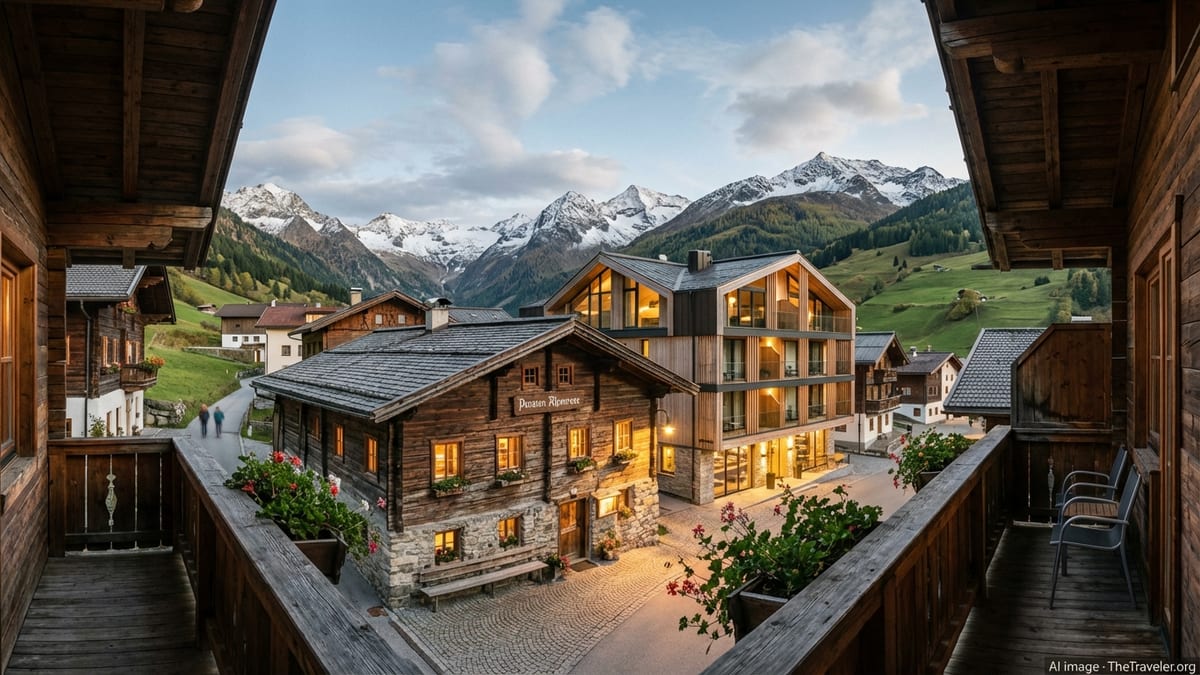
Outside the main cities and big name resorts, much of Austria’s accommodation charm lies in its small towns and countryside. Market towns, wine villages and farming communities across regions such as Styria, Carinthia and Lower Austria frequently offer guesthouses and farm stays that are both characterful and comparatively affordable. Here, travelers trade glitzy lobbies for wooden balconies, home cooked breakfasts and front row access to local life.
Farm stays can be particularly appealing for families and slow travelers. Many working farms welcome guests into separate apartments or rooms, sometimes with the option of joining seasonal activities such as feeding animals or helping in orchards. Nightly prices vary with region and facilities but are usually competitive with mid range hotels, especially when factoring in generous breakfasts or half board arrangements. These properties often sit near hiking paths, lakes or cycling routes, making them an excellent base for active holidays.
In wine regions and historic small towns, traditional inns and Gasthöfe provide another layer of options. Rooms may be simple but comfortable, with the onsite restaurant or tavern acting as a social hub for both locals and visitors. Menus focus on regional specialties and local wines, and the overall atmosphere tends to be informal. These stays suit travelers more interested in atmosphere and culinary experiences than in amenities such as pools or large spas.
Because rural accommodations often have fewer rooms and a strong base of repeat guests, booking ahead is advisable during school holidays and local festival periods. Outside those peaks, flexible travelers can sometimes secure attractive rates by staying midweek or visiting outside the high summer window. Access is usually easiest by car, although many villages also connect to regional rail or bus networks, so it is worth checking public transport options if you prefer not to drive.
Smart Strategies for Every Budget
Whatever your budget, a few broad strategies can help you secure better value from your stay in Austria. One of the most important is timing. Traveling in shoulder seasons such as late spring and early autumn often delivers lower room rates and fewer crowds, while still offering pleasant weather for city sightseeing and outdoor activities. In ski areas, early December and late March can be more affordable than the core weeks around New Year and school holidays, although snow conditions vary by resort and altitude.
Another useful tactic is to weigh location against price rather than always defaulting to the most central address. In both Vienna and Salzburg, moving just one or two neighborhoods away from landmark squares can significantly reduce nightly costs while keeping public transport links strong. The same is true for ski villages, where staying slightly off the main street or in a neighboring hamlet can unlock more budget friendly guesthouses and apartments without adding much travel time to lifts or trails.
Choosing the right accommodation type for your travel style also matters. Solo backpackers might prioritize sociable hostels and low nightly rates, while couples on a short break might prefer a smaller number of nights in a more comfortable boutique hotel. Families and groups often find that self catering apartments, aparthotels or chalets offer the best mix of space and value, especially when they can spread the cost and reduce restaurant spending by cooking some meals. For longer trips, mixing splurge nights at special properties with more economical stays elsewhere can be a satisfying way to balance comfort and cost.
Finally, planning and booking habits make a difference. Reserved travelers typically benefit from securing accommodation several months ahead for peak periods, when the most attractive mid priced options can sell out quickly, leaving only very basic or very expensive rooms. Those with flexible dates, on the other hand, may find late deals during quieter weeks, particularly in city hotels that adjust prices dynamically. In all cases, reading recent guest reviews, checking what is included in the rate and comparing total costs for your full stay will help ensure that what looks like a bargain genuinely suits your expectations and budget.
The Takeaway
Austria’s accommodation landscape is as varied as its scenery. From grand Viennese landmarks and festival focused stays in Salzburg to rustic farmhouses, alpine spa retreats and simple mountain huts, the country offers somewhere to suit almost every traveler and budget. The key is to align your choice of place and property type with your priorities, whether that is cultural immersion, outdoor adventure, family time or pure relaxation.
By understanding how prices shift between regions and seasons, and by remaining flexible about exact location and style, you can often secure more comfort or character than you might expect for your budget. Early planning pays particular dividends around ski high season, Christmas markets and Salzburg’s summer festivals, while shoulder season travelers can enjoy quieter streets and more favorable rates.
Ultimately, the best place to stay in Austria is the one that supports the trip you most want to have. With thoughtful research, realistic expectations and a willingness to look beyond only the most famous addresses, you will find welcoming bases that let you experience the country’s landscapes, cities and traditions at a pace and price that feel right for you.
FAQ
Q1. What is a realistic nightly budget for accommodation in Austria?
For most travelers, a realistic nightly budget per room ranges from about 80 to 170 euros for mid range hotels or pensions, while very budget conscious travelers can spend less by using hostels or basic guesthouses and luxury travelers will generally spend substantially more.
Q2. When is the cheapest time of year to stay in Austria?
The most affordable periods are typically low and shoulder seasons, such as late autumn and parts of early spring, as well as summer in ski regions once lifts close, while major event weeks and Christmas markets tend to be more expensive.
Q3. Are hostels in Austria suitable for older travelers or families?
Many modern hostels in Austria now offer private rooms and family friendly facilities, so they can suit a wide range of ages, although travelers who value quiet or more space may prefer guesthouses or aparthotels.
Q4. How far in advance should I book accommodation in Vienna or Salzburg?
For popular travel dates such as summer in Salzburg or Advent weekends in Vienna, booking several months ahead is sensible, while in quieter periods you may find acceptable options closer to your arrival date.
Q5. Is it better value to stay in a hotel or a self catering apartment?
For short city breaks, hotels and pensions that include breakfast can be excellent value, but for longer stays or for families and groups, self catering apartments often work out cheaper per person and provide more space.
Q6. How can I save money on ski accommodation in Austria?
To reduce ski accommodation costs, consider traveling outside peak holiday weeks, staying in smaller or lesser known resorts, choosing guesthouses slightly away from lift bases and sharing self catering chalets or apartments.
Q7. Are farm stays in Austria expensive?
Farm stays are usually priced around the mid range, comparable to many three star hotels, but they can offer strong value when you factor in generous breakfasts, rural settings and included activities for children.
Q8. Do most Austrian hotels include breakfast in the room rate?
Many traditional hotels and pensions in Austria do include breakfast, especially outside the very top end of the market, although it is always worth checking the rate details to confirm exactly what is covered.
Q9. Is it common to pay extra local taxes on hotel stays?
Yes, most destinations in Austria charge a small per person per night city or resort tax, which may be included in the quoted rate or listed separately on your bill depending on the property.
Q10. Can I find good last minute hotel deals in Austria?
Last minute deals do appear, particularly in cities during quieter weeks, but in peak times such as major festivals or ski high season it is safer to book early rather than rely on discounts that may never materialize.