

Arkansas wears its nickname, The Natural State, with quiet confidence. From the quartz-clear waters of the Buffalo National River to the modern lines of Crystal Bridges Museum of American Art, the state balances rugged landscapes with sophisticated culture and small-town charm. Whether you are planning a weekend road trip or a longer journey, these standout experiences capture some of the very best things to do in Arkansas right now.
Explore the Wild Beauty of the Buffalo National River
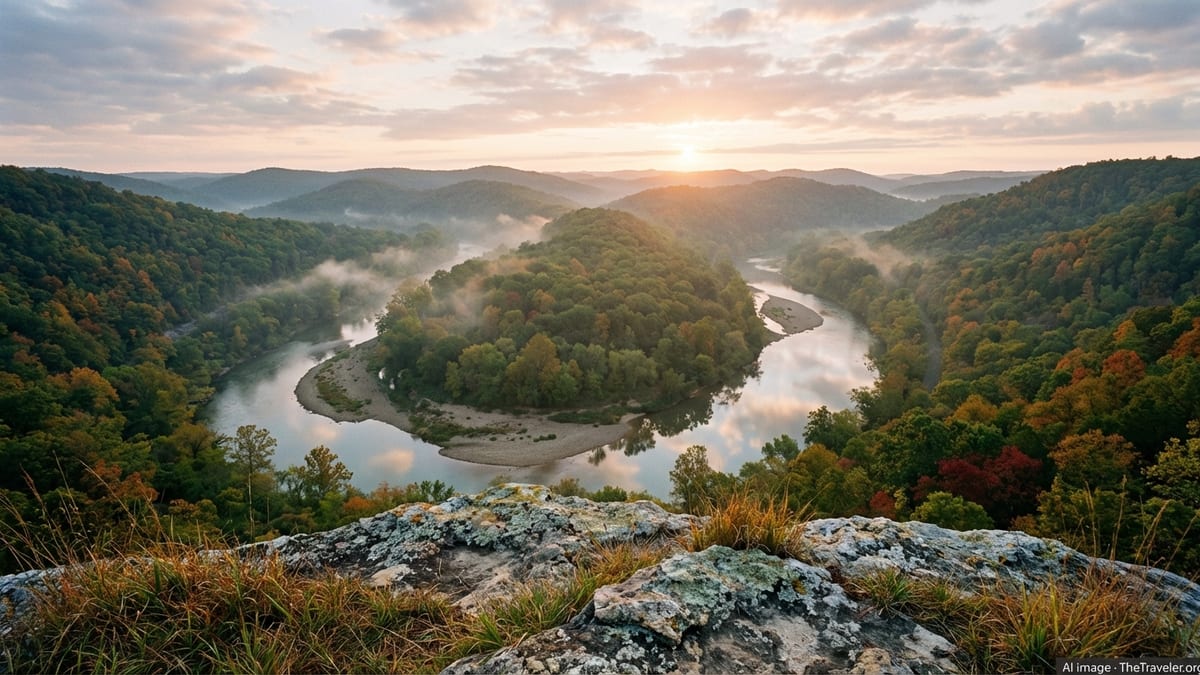
The Buffalo National River is often the place that changes how first-time visitors think about Arkansas. Flowing freely for more than 130 miles through the Ozark Mountains, it remains one of the few undammed rivers in the lower 48 states. High limestone bluffs, seasonal waterfalls, and deep green forests hug the river’s edge, creating a landscape that feels far removed from busy interstates and city streets. In spring and early summer, the river usually runs high enough for longer paddling trips, while in late summer and early fall it often shifts into a more relaxed, swimming hole season.
Canoeing and kayaking are the classic ways to experience the Buffalo. Outfitters near access points such as Ponca and Jasper rent boats, provide shuttles, and offer up-to-date guidance on water levels and route options. Floating past towering rock walls like Roark Bluff in the upper river section can feel almost cinematic, especially during peak foliage in October when reds and golds reflect off the water’s surface. Even short half-day floats can deliver quiet gravel bars, great birdlife, and the occasional glimpse of elk in the Boxley Valley area at dawn and dusk.
On shore, dozens of mapped trails lead to bluff-top vistas and side canyons. Popular hikes include Lost Valley, a relatively short route that rewards with a natural bridge, small caves, and a waterfall in wetter months. More experienced hikers can tackle longer routes to overlook points where the river snakes through the valley far below. Simple campgrounds, developed and primitive, dot the river corridor for those who want to sleep under dark skies still free of heavy light pollution in much of the region.
Because conditions on the Buffalo change with the seasons and recent rainfall, visitors should always check current river levels, access closures, and park advisories before heading out. Rangers and local outfitters are invaluable resources. With some planning and a flexible mindset, it is easy to tailor a visit that fits your comfort level, from scenic pullouts and picnics to multi-day backcountry adventures.
Stroll and Soak in Historic Hot Springs
Few destinations in Arkansas blend history and relaxation as seamlessly as Hot Springs. The city grew up around naturally heated thermal springs that emerge from the Ouachita Mountains, and the elegant bathhouses lining Bathhouse Row tell the story of over a century of spa culture. Today, the preserved buildings form the heart of Hot Springs National Park, a compact urban park where sidewalks, historic architecture, and forested hillsides exist side by side.
Visitors can tour restored bathhouses to learn how the town evolved from a frontier outpost into a Gilded Age wellness retreat frequented by gangsters, baseball players, and vacationing families. One of the bathhouses now houses a modern spa where you can book a traditional thermal bath or massage using water from the springs. Another has been converted into a visitor center and museum that explains the geology behind the hot water and the complex history of health claims that surrounded it.
Beyond the bathhouses, Hot Springs offers a walkable downtown with independent restaurants, galleries, and small attractions. Craft breweries and rooftop patios have added a contemporary note to the city’s historic streetscape, while nearby trails climb forested slopes for views back toward town. Families often combine a hot springs experience with a visit to nearby lakes such as Lake Ouachita or Lake Catherine, where swimming, boating, and lakeside cabins provide a cool counterpoint to the geothermal heat.
Because Hot Springs is compact and popular on weekends, it pays to plan ahead for lodging and spa appointments, particularly during spring break, summer, and major festivals. Even a one-night stay can be surprisingly restorative, especially if you pair a morning soak with an afternoon spent wandering shaded park trails above the historic district.
Experience Art, Architecture, and Nature in Northwest Arkansas
Northwest Arkansas has emerged as one of the region’s most surprising cultural hubs, anchored by Bentonville’s Crystal Bridges Museum of American Art. Set in a wooded ravine on 120-plus acres of Ozark forest, the museum brings together a nationally regarded collection of American art with striking architecture and an extensive network of forest trails. General admission to the permanent galleries is typically free, which makes it easy to drop in for a few hours or build multiple short visits into a longer stay.
Inside, galleries move chronologically from colonial portraiture to contemporary installations, highlighting both well-known names and underrepresented voices in American art. The museum regularly updates its displays and hosts major temporary exhibitions, so repeat visits can feel fresh. Outside, paved and natural-surface trails wind past creeks, sculptures, and native plantings, rewarding even casual walkers with tranquil perspectives on the surrounding hills. The institution has also been expanding its role as an arboretum, adding interpretive signage and seasonal plantings that appeal to both art lovers and garden enthusiasts.
Beyond Crystal Bridges, the broader Bentonville and Fayetteville corridor offers a growing list of things to do. Mountain bike trail systems, many purpose-built, have turned the region into a destination for riders of varying skill levels. Downtown Bentonville’s square hosts shops, restaurants, and a lively farmers market in season, while Fayetteville’s Dickson Street and entertainment district cater to a student and arts crowd year-round. Together, these towns give visitors a layered experience where mornings might be spent in museums and evenings on patios or at live music venues.
Transportation and accommodation options in Northwest Arkansas have expanded in step with its reputation. A regional airport connects the area with major hubs, and lodging now ranges from boutique hotels near historic downtowns to vacation rentals tucked into the woods. For travelers who enjoy combining outdoor activity with gallery-hopping and dining, this corner of Arkansas deserves at least a long weekend.
Discover Little Rock’s Riverfront and Urban Culture
As the state capital and largest city, Little Rock provides the most urban set of experiences in Arkansas, yet still keeps nature close at hand. The riverfront district, centered around the Arkansas River and the River Market area, is a good starting point. Warehouses and industrial buildings have been converted into a mix of restaurants, food halls, and arts spaces, and a broad riverside promenade offers views of bridges and the downtown skyline. Public art, including outdoor sculpture gardens, gives the district a casually curated feel.
A short walk from the riverfront, the presidential library complex offers a deep look at the politics, personalities, and events of a recent White House era. Exhibits include documents, photographs, and a full-scale replica of the Oval Office, adding a tactile dimension to modern history. Other nearby museums and historic sites round out the picture of Little Rock’s past, including civil rights landmarks that played a central role in school desegregation and the broader struggle for equality.
For those who want greenery with their city break, the Arkansas River Trail loops for miles along both banks, connecting parks, bridges, and neighborhoods. Cyclists and runners can make a day of it, or you can simply walk short segments for river views and skyline photo opportunities. Just outside the city, Pinnacle Mountain State Park rises above the confluence of the Big Maumelle and Little Maumelle rivers, providing popular hikes to rocky summits and quieter loops through bottomland forests.
Little Rock’s culinary scene has matured in recent years, with chefs showcasing regional ingredients and multi-generational recipes in everything from casual cafes to refined dining rooms. Coffee shops, breweries, and dessert spots fill in the gaps, making it easy to build an entire day around food, outdoor time, and museum visits. With a compact downtown and a blend of cultural and natural attractions, Little Rock can anchor a standalone city escape or serve as a gateway to the rest of the state.
Retreat to the Ozarks in Eureka Springs and Mountain Towns
If you are looking for a slower pace and a strong sense of place, the historic town of Eureka Springs in the northwest Ozarks remains a standout. Built into steep hillsides around natural springs, its Victorian-era buildings hug narrow, winding streets that reward exploration on foot. Independent galleries, vintage shops, and cafes inhabit ornate facades, while small parks with bandstands and fountains provide natural gathering places for festivals, buskers, and casual people-watching.
One of the area’s most distinctive landmarks is Thorncrown Chapel, a glass and wood structure tucked into the forest just outside town. Designed by architect E. Fay Jones, the chapel rises nearly 50 feet and is framed by hundreds of windows, so that light, trees, and sky become part of the interior experience. Visitors often describe it as both serene and dramatic, especially when sunlight filters through leaves in spring or when snow dusts the surrounding woods. Because it functions as a place of worship as well as an architectural attraction, visitors are asked to observe quiet and check for seasonal hours or event closures.
The woods and water around Eureka Springs contribute as much to its appeal as the town itself. Nearby lakes offer boating, fishing, and swimming, while local outfitters can arrange short excursions such as guided cave tours or easy hikes to scenic overlooks. In recent years, the area has also attracted wellness retreats, music gatherings, and niche festivals, adding to the town’s long-standing reputation as a creative and slightly eccentric outpost in the mountains.
Elsewhere in the Ozarks, smaller communities and state parks provide additional options for getting off the main highways. Places like Devil’s Den State Park tempt hikers and mountain bikers with miles of trails, sandstone formations, and cool creek valleys. Scenic byways link valleys and ridgelines, so even simple drives can feel like mini-adventures, particularly in late October when fall color often peaks at higher elevations.
Immerse Yourself in State Parks and Scenic Lakes
Arkansas’s network of state parks is a primary reason many travelers return year after year. From the Ouachita Mountains to the Mississippi River Delta, these parks showcase the state’s geological variety and provide accessible ways to experience it. Lake-focused parks such as Lake Ouachita, Lake Catherine, and Lake Dardanelle are especially popular in warm weather, offering campgrounds, marinas, and day-use areas that work well for families and groups.
Lake Ouachita, the largest lake entirely within Arkansas, is known for its clear water and sparsely developed shoreline. Houseboats, fishing boats, and kayaks share the broad expanse, but there are still many quiet coves where you can anchor for a swim or picnic. Trails near the state park’s main area lead to overlooks and secluded inlets, and interpretive exhibits explain the lake’s role in local ecology and recreation. Because the shoreline remains relatively wild compared with many reservoirs, it is a reliable place to experience starry skies on clear nights.
At smaller but still scenic Lake Catherine and Lake Dardanelle, the emphasis often shifts slightly toward convenience and community. These parks feature established campgrounds, accessible fishing piers, and visitor centers with aquariums and educational displays. Many host ranger-led activities in peak season, from guided hikes to evening programs that introduce local wildlife and history in approachable ways. For road trippers who like to mix tent camping with occasional cabin stays, these parks offer a straightforward way to build a multi-stop itinerary.
Farther afield, other state parks protect dramatic outcrops, waterfalls, and forests. Petit Jean State Park, for example, combines canyon overlooks, a signature waterfall, and historic stone structures built by the Civilian Conservation Corps. Pinnacle Mountain, close to Little Rock yet fully immersed in nature, challenges hikers with rocky ascents and rewards them with broad river and lake views. Collectively, these parks make it easy to sample Arkansas’s landscapes without specialized gear or advanced backcountry skills, as long as you check weather, trail conditions, and any seasonal advisories in advance.
Sample Small-Town Culture, Food, and Trails Across the State
Beyond the better-known cities and national sites, some of the most memorable Arkansas experiences unfold in smaller communities and along backroads. College towns like Fayetteville bring together live music, farmers markets, and a youthful energy while still offering quick access to trailheads. River towns along the Arkansas and White rivers cater to anglers and paddlers, with bait shops and dockside cafes doubling as informal visitor centers where locals share current conditions.
Food is a thread that ties many of these small-town experiences together. Cafeteria-style diners serve up plate lunches that change daily, while long-running barbecue joints and pie shops often draw both regulars and out-of-town pilgrims. In recent years, the state’s tourism arm has even promoted informal “trails” centered on pie, barbecue, and other regional specialties, encouraging travelers to explore lesser-known corners in pursuit of favorite flavors. While specific venues change over time, the underlying tradition of community-based cooking remains steady.
For those who like to travel on two wheels or two feet, a growing network of rail-trails and greenways links neighborhoods, parks, and surrounding countryside. Paved routes appeal to families and casual cyclists, while gravel roads and forest tracks provide a more adventurous experience. Organized events, from charity rides to trail runs, pop up throughout the year and can add a social dimension to a visit for those who prefer traveling in the company of others.
Because many of these smaller destinations have limited lodging, it is wise to book early for peak weekends and to remain flexible. Weather can also shift quickly, particularly in spring and fall, so having indoor backup plans such as local museums, historic homes, or tasting rooms can keep a trip enjoyable regardless of the forecast. Taken together, these quieter stops help round out a picture of Arkansas that extends beyond headline attractions, highlighting local character and hospitality.
The Takeaway
Arkansas rewards travelers who value variety. In a relatively compact state, you can paddle a wild river, tour a presidential library, stand beneath a celebrated work of contemporary architecture, and listen to live music on a small-town square, all within the span of a few days. The best things to do in Arkansas do not require rushing from one checklist item to another. Instead, they invite you to slow down, to watch how the light changes on a bluff or a lake, and to engage with communities that are proud of their heritage yet open to new ideas.
As you plan your own trip, consider pairing at least one classic natural attraction with time in a city or cultural hub. Build in room for unplanned detours to farmer stands, local diners, or scenic overlooks that were not part of your original route. Arkansas may not always shout for attention in national travel conversations, but that quiet confidence is part of its charm. With a bit of curiosity and a flexible itinerary, you are likely to leave already thinking about what you will explore on your next visit.
FAQ
Q1. What is the best time of year to visit Arkansas for outdoor activities?
The most popular seasons for outdoor adventures are spring and fall, when temperatures are milder, humidity is lower, and wildflowers or fall colors are often at their peak.
Q2. How many days do I need to see the main attractions in Arkansas?
A long weekend allows you to experience one region in depth, but five to seven days is a comfortable window to combine a city stay with at least one major outdoor area.
Q3. Is Arkansas a good destination for families with children?
Yes. State parks, lakes, interactive museums, and walkable downtowns make Arkansas well suited to families, with plenty of low-cost or free activities.
Q4. Do I need a car to explore Arkansas?
Having a car provides the most flexibility, especially for reaching state parks, lakes, and small towns that are not well served by public transportation.
Q5. Are there any safety considerations when hiking or paddling in Arkansas?
Travelers should check weather forecasts, river levels, and local advisories, carry adequate water, and stay on marked trails or established river routes appropriate to their experience.
Q6. Can I visit the Buffalo National River if I have never paddled before?
Yes, many outfitters help beginners choose shorter or calmer stretches, but conditions vary by season, so it is important to follow expert advice and wear proper safety gear.
Q7. What should I pack for a trip that combines cities and outdoor areas?
Versatile layers, comfortable walking shoes, rain protection, and a small daypack work well, along with slightly dressier but still relaxed clothing for city dining or events.
Q8. Are reservations needed for popular attractions like Crystal Bridges or Hot Springs bathhouses?
While museum admission is often flexible, timed-entry exhibits and spa services can book up on busy days, so advance reservations are recommended when possible.
Q9. Is Arkansas affordable compared with other U.S. destinations?
In general, lodging, food, and attraction costs are moderate, and many outdoor experiences are low-cost, which helps keep overall trip budgets manageable.
Q10. How can I find current information about events and local festivals?
Tourism offices, city visitor centers, and regional event calendars provide the most up-to-date listings, especially for seasonal festivals, markets, and live music.