

Choosing the best time to visit Hong Kong is less about finding a single “perfect” month and more about balancing weather, typhoon risk, crowds and the city’s remarkably full festival calendar. From autumn hiking under crystal-clear skies to humid summer days punctuated by spectacular storms and dragon boat races, every season offers a different mood. Understanding how Hong Kong’s subtropical climate and major events fit together will help you plan a trip that matches your priorities.
Understanding Hong Kong’s Seasons
Hong Kong has a humid subtropical climate, shaped by the seasonal monsoon. Winters are generally mild and drier, springs are changeable and increasingly humid, summers are hot, wet and stormy, and autumn brings more stable, comfortable conditions. The shift between these seasons matters far more to visitors than the actual distance on the thermometer, because humidity, rainfall and visibility strongly affect how the city feels.
Broadly speaking, late September through December is considered the most pleasant period for sightseeing, outdoor excursions and harbour views. Skies are often clearer, humidity eases, and temperatures sit in a comfortable range rather than swinging between cool nights and sweltering afternoons. By contrast, May through September is dominated by heat, heavy showers and the highest likelihood of tropical cyclones, which can disrupt ferries, flights and outdoor plans.
That said, Hong Kong is very much a year-round destination. Air conditioning is ubiquitous, and efficient public transport allows you to move comfortably even in steamy weather. If you are prepared for occasional downpours in summer or a touch of chill in winter, you can trade “ideal” weather for lower room rates, fewer crowds or a chance to experience major festivals up close.
When planning, it helps to think in terms of experiences: harbourfront strolls and skyline photography, shopping and dining, hiking and outlying islands, or festival-focused travel. Each of these shines at different times of year, and your personal tolerance for heat, humidity and crowds will narrow down the best window for you.
Weather by Season: What to Expect
Winter, from roughly December to February, is Hong Kong’s coolest and driest season. Daytime highs often sit in the high teens to low twenties Celsius, with cooler evenings. Humidity drops compared with the rest of the year, and rain is relatively rare. You might need a light jacket, especially when the north wind strengthens, but many visitors find this an ideal time for long days of city walking, market exploring and harbourfront sightseeing.
Spring, from March into May, is a transitional period that can feel quite changeable. Temperatures climb into the low to mid twenties Celsius and humidity creeps upward. Fog and low cloud are common, particularly in March and April, which can limit views from Victoria Peak or across Victoria Harbour. Sudden showers and the first thunderstorms of the warm season begin to appear, but there are still many bright, comfortable days, especially earlier in the season.
Summer, stretching from about June through September, is hot, humid and wet. Daytime highs often sit around the low thirties Celsius, but the humidity makes it feel hotter. This is the main rainy season: heavy showers and thunderstorms are frequent, and intense downpours can cause localized flooding. The sea is warm for swimming, and clear spells between showers can still offer vivid blue skies, but outdoor activities require heat management, shade and plenty of water.
Autumn, particularly October and November, is widely regarded as Hong Kong’s “golden” season. The oppressive humidity of summer eases, skies tend to be clearer, and temperatures are still warm without being stifling. This is prime time for urban exploration as well as hiking the city’s many trails and visiting outlying islands. Conditions can remain pleasant into December, making late autumn and early winter a sweet spot for many visitors.
Typhoon Season and Monsoon Rains
Because Hong Kong sits on the edge of the South China Sea, tropical cyclones are a fact of life. The official typhoon season generally runs from about May to November, with the highest likelihood of storms between June and October and a pronounced peak in August and September. Not every system will make a direct hit or significantly affect the city, but even distant storms can bring strong winds, heavy rain and rough seas that disrupt ferry services and flights.
The Hong Kong Observatory operates a clear, graduated warning system, ranging from a standby signal for distant storms to higher levels that indicate gale or hurricane-force winds are expected or occurring. When signals are raised, schools close and outdoor work and many activities pause. For visitors, this usually means staying indoors in a hotel, shopping mall or other sturdy building for a period of hours, and occasionally a day or more if a powerful system passes close by.
From a planning perspective, summer and early autumn trips carry a higher risk of weather-related disruption, though serious damage from any single storm remains relatively rare within the city itself. If you visit during these months, it is sensible to keep your plans flexible, allow extra buffer time around flights and ferries, and rely on local forecast updates. Travel insurance that covers delays and cancellations can add peace of mind during the heart of typhoon season.
Separate from the cyclones themselves, the broader monsoon pattern plays a major role in Hong Kong’s rainfall. Around 70 to 80 percent of the city’s annual precipitation typically falls between about May and September, often in bursts of intense showers and thunderstorms rather than steady drizzle. This means that even in the wettest months you may enjoy bright, sunny intervals, but you should be prepared for sudden downpours that can send everyone scrambling for cover.
Month-by-Month: Finding Your Ideal Window
January and February are cool by local standards but often delightful for visitors from colder climates seeking a dose of winter sun. Daytime temperatures are generally mild, and although grey spells occur, there are many crisp days suitable for outdoor exploring. Chinese New Year often falls in late January or February, bringing a festive atmosphere, higher hotel rates and occasional congestion around popular celebration spots.
March and April feel very much like spring, with steadily climbing temperatures and increasing humidity. Mist and low cloud are common, especially in the mornings, which can soften skyline views but lend a moody atmosphere to the harbour. This period is comfortable for walking, though you should expect some damp days and pack a light layer for cooler evenings. It is a good compromise if you prefer milder weather and do not mind a bit of haze.
May and June mark the onset of sustained heat and the more intense rainy season. Showers grow heavier and more frequent, thunderstorms become common, and the first significant tropical systems of the year may start appearing in forecasts. These months can feel oppressive outdoors in the middle of the day, but they are also lush and green, with country parks in full growth and fewer international visitors compared with peak autumn. Indoor-focused itineraries, shopping and dining trips can still work well if you accept that some outdoor plans may be washed out.
July through September are the true height of summer. Expect steamy days, warm nights, bright sun between storms and a higher chance of typhoon-related disruptions. This is low season for many long-haul visitors, which means better value on some hotels and shorter queues at certain attractions, offset by frequent use of air conditioning and the need to pace yourself outdoors. If you are comfortable in tropical conditions, you can still enjoy beaches, boat trips on clearer days and the city’s vibrant nightlife.
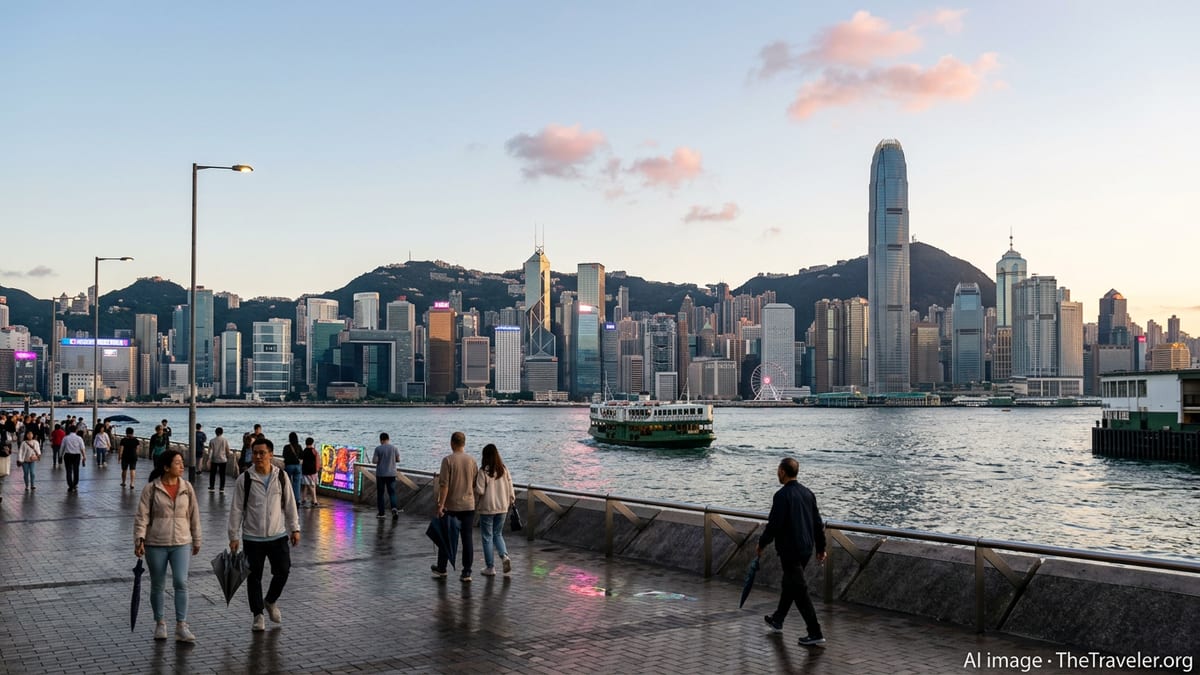
October to early December offers the most consistently pleasant combination of temperature, humidity and rainfall. This is a superb time for panoramic harbour views, evening walks along the Tsim Sha Tsui waterfront, and hikes on routes such as Dragon’s Back or sections of the MacLehose Trail. Rain becomes less frequent, and although the tail end of typhoon season can occasionally influence early October, significant storms are less likely later in the season. By late December, cooler, drier air dominates, bringing the cycle back to winter.
Festivals and Events Throughout the Year
Hong Kong’s cultural calendar is dense, and visiting during a major festival can add a memorable layer to your trip. The biggest celebrations generally follow the lunar calendar, so exact dates shift each year, but they tend to cluster in familiar periods. If your main goal is sightseeing in calm conditions, you might avoid these peaks. If you want atmosphere, night markets and traditional performances, they are a compelling reason to time your visit carefully.
Chinese New Year, usually in late January or February, is the headline festival of the year. In the days before and after, flower markets, decorative displays and family gatherings dominate. Businesses may close for several days, and the city feels both busy and introspective at once. Visitors can enjoy elaborate decorations in shopping districts and along the harbourfront, but should plan ahead for closures, reduced services and higher accommodation prices.
Late spring and early summer bring several distinctive events. Around April or May, the Cheung Chau Bun Festival transforms the island of Cheung Chau with parades, lion dances and the famous bun towers. In June, the Dragon Boat Festival sees teams racing long, narrow boats decorated with dragon heads across Victoria Harbour and other waterways, accompanied by drumming and cheering crowds. These events can be hot and crowded, but they showcase Hong Kong’s living traditions in vivid fashion.
Autumn is particularly rich in festivals. Around September or early October, the Mid Autumn Festival coincides with lantern displays, mooncake tasting and dramatic fire dragon dances in neighbourhoods such as Tai Hang and Pok Fu Lam Village. The atmosphere is especially evocative in parks and waterfront areas after dark, when lanterns and city lights reflect on the water. Later in the year, winter events and countdown celebrations light up Victoria Harbour again, though specific formats can vary from year to year based on local circumstances.
Balancing Weather, Crowds and Costs
When deciding on the best time to visit, you will need to balance pleasant weather against festival crowds and pricing. October and November often deliver the most comfortable conditions, which also makes these months among the busiest for international visitors. Hotel rates typically reflect this demand, especially around major trade fairs or events, so booking well in advance can be wise if you are targeting this peak window.
Traveling in the shoulder seasons of March, April or early December often provides a good compromise. You may encounter more variable weather and a bit more haze or humidity, but you will likely benefit from slightly lower prices than peak autumn and still enjoy conditions that are easy for urban exploration. These months can be particularly rewarding if you are less sensitive to temperature swings and more focused on museums, dining and neighbourhood wandering than on sunbathing or long hikes.
For budget-conscious travellers, the hotter and wetter months from May through September can offer notable savings, especially outside public holidays and big festival dates. Indoor attractions, shopping malls and restaurants remain fully active, and you can tailor your days around cooler mornings and evenings with a break during the hottest hours. This approach requires a higher tolerance for sudden showers, sticky heat and the possibility of storm-related interruptions, but some visitors find the trade-off worthwhile.
If festival experiences are central to your trip, it may make sense to accept less-than-perfect weather or higher prices in exchange for being on the ground during specific celebrations. Securing accommodation near key areas, such as Tsim Sha Tsui for harbourfront events or island guesthouses for outlying island festivals, and booking flexible tickets where possible, can help manage the impact of crowds and any last-minute schedule changes.
Practical Tips for Weather and Typhoon Preparedness
Whatever season you choose, a bit of preparation goes a long way toward staying comfortable in Hong Kong’s climate. Lightweight, breathable clothing works best for most of the year, supplemented by a light jacket or sweater in winter months when temperatures can dip in the evenings. Comfortable walking shoes that handle occasional puddles are invaluable in a city where you are likely to combine metro rides with plenty of time on foot.
An umbrella is useful year-round, though especially from spring through early autumn when showers are most frequent. Many locals also carry a compact folding umbrella for sun protection on bright, hot days. Sunscreen, a hat and regular hydration are essential in the hotter months, as the combination of concrete, glass and humidity can make city streets feel significantly warmer than the raw temperature suggests.
During the typhoon season, pay close attention to official weather updates and any advisories from your airline, ferry operator or hotel. If a higher-level signal is announced, it is prudent to finalize errands early, stay indoors once winds begin to rise and follow local guidance on closures and safety. Modern buildings in Hong Kong are designed to withstand severe weather, so in most cases visitors simply wait out the storm in comfort, resuming normal activities once signals are lowered and transport systems restart.
Finally, consider building some flexibility into your itinerary, particularly in the wetter months. Rather than planning every hour, alternate between indoor and outdoor options so you can adjust quickly if clouds gather or a storm warning is issued. Museum visits, dim sum lunches, tea houses and sprawling shopping centres all offer easy shelter without feeling like second-best options, allowing you to enjoy the city even when the skies are less than cooperative.
The Takeaway
If your priority is consistently pleasant weather with minimal disruption risk, October and November stand out as the best all-round months to visit Hong Kong. Skies are often clear, humidity is lower, and rainfall tends to be less intense, creating ideal conditions for skyline views, harbour cruises and long days exploring on foot. Late autumn and early winter, from about late October into December, extend this sweet spot with cooler evenings and a festive city atmosphere.
Travellers drawn to cultural experiences may instead plan around key festivals, even if that means accepting heat, humidity or higher prices. Chinese New Year, the Cheung Chau Bun Festival, the Dragon Boat Festival and Mid Autumn celebrations each show a different side of Hong Kong’s heritage and community life. Visiting during these times rewards you with vivid memories, provided you account for crowds, closures and the greater chance of sudden weather shifts in the warmer months.
Ultimately, there is no single “right” time to visit Hong Kong. The city’s mix of towering skylines, harbour vistas, hiking trails and island villages can be enjoyed year-round, as long as you match your expectations to the season. By understanding how weather patterns, typhoon risks and festivals align through the year, you can choose a window that suits your comfort level, budget and interests, and experience Hong Kong at its most rewarding for you.
FAQ
Q1: What is the overall best month to visit Hong Kong?
Many visitors find November the best balance of comfortable temperatures, lower humidity and relatively low rainfall, with good visibility for city views and outdoor activities.
Q2: How likely is a typhoon to disrupt my trip?
Typhoon-related disruption is most likely between June and September, but even then only a handful of storms significantly affect the city each year, and most pass within a day or so.
Q3: Is summer in Hong Kong too hot for sightseeing?
Summer is hot and humid, but sightseeing is still possible if you pace yourself, plan indoor breaks during midday heat and stay hydrated. Evenings are often more comfortable for walking.
Q4: When is the dry season in Hong Kong?
The driest period generally runs from about November through March, with notably less rainfall than in the late spring and summer months, though showers can still occur.
Q5: Do attractions close during Chinese New Year?
Some smaller shops and family-run restaurants close for several days, but major malls, many larger restaurants and key attractions usually remain open, albeit on holiday schedules.
Q6: What should I pack if I visit during typhoon season?
Bring lightweight clothing, a compact umbrella, waterproof or quick-drying shoes, and ensure you have digital access to local weather updates and flexible plans in case of storm warnings.
Q7: Is winter a good time for hiking in Hong Kong?
Yes, winter’s cooler, drier conditions are excellent for hiking. Trails are usually less humid and more comfortable, though you may want a light layer for breezy hilltops.
Q8: When are hotel prices usually lowest?
Rates are often lower in the hotter, wetter months from May through September, excluding major holiday periods and large trade fairs, making this a value-friendly window for flexible travellers.
Q9: Can I still enjoy the harbour if the weather is hazy?
Haze can soften long-distance views, but the harbour remains atmospheric, especially at night when the skyline is illuminated and reflections shimmer on the water’s surface.
Q10: How far in advance should I book if I’m visiting for a major festival?
For busy periods such as Chinese New Year or Mid Autumn, it is sensible to book flights and hotels several months ahead, particularly if you want specific locations or harbour views.