

The United Kingdom is a genuine year round destination, with mild but changeable weather, a busy cultural calendar and landscapes that look dramatically different from one season to the next. Choosing the best time to visit is less about avoiding a “bad” month and more about matching your trip to the mix of weather, daylight, crowds and experiences you value most. From soft spring light over country gardens to long summer evenings in London parks and atmospheric winter streets strung with fairy lights, every season has a distinct character worth considering.
Understanding the UK’s Seasons and Regional Differences
The United Kingdom has a temperate maritime climate, which means relatively mild temperatures, frequent changes in weather and plenty of cloud and rain spread across the year. Extreme heat and deep cold are less common than in continental Europe or North America, but sharp variations from one week to the next are normal. A trip that feels like early summer one day can feel like late autumn the next, even in the same city.
Broadly, spring runs from March to May, summer from June to August, autumn from September to November and winter from December to February. Within those seasons, daylight length shifts significantly. In June, London and much of England enjoy 16 hours or more of daylight, while the far north of Scotland stays light late into the evening. In December, it can be dark soon after 3.30pm in parts of Scotland and not much later in northern England.
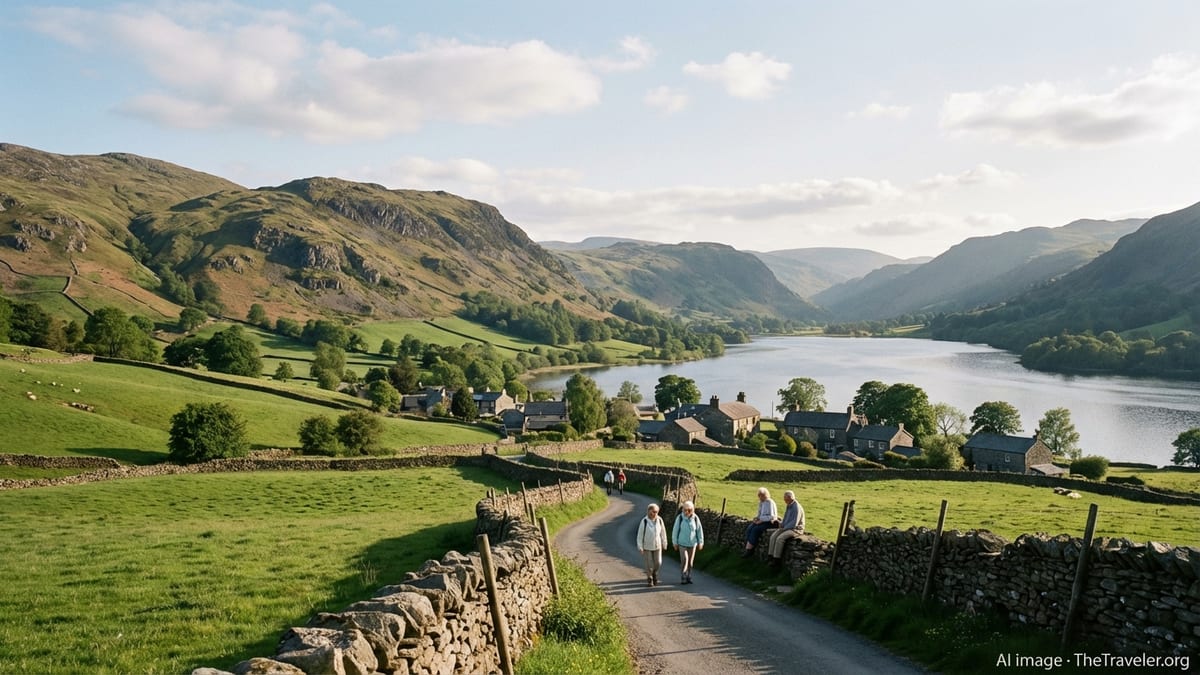
Regional contrasts matter when choosing the best time to visit. Southern and eastern England, including London, the Cotswolds and much of the southeast, are usually warmer and a little drier than the rest of the country. Western and northern regions such as Cornwall, Wales, the Lake District, Northern Ireland and the Scottish Highlands tend to be wetter and windier but often feel wilder and more dramatic in poor weather. Urban travellers who focus on London, Manchester, Edinburgh or Glasgow will be less exposed to the elements than hikers in Snowdonia or the Cairngorms, but everyone should be ready for rain at any time of year.
Because conditions are so variable, there is rarely a single “perfect” month. Instead, the United Kingdom offers a series of seasonal sweet spots. Many travellers favour late spring and early autumn, when the weather is often settled, school holidays have not yet started or have just ended, and major attractions feel pleasantly busy rather than full. Others embrace peak summer for maximum daylight and festivals, or winter for cosy pubs, Christmas markets and lower prices. The key is to understand what each season does best.
Spring (March to May): Gardens, Mild Weather and Shoulder Season Value
For many visitors, spring is the ideal time to experience the United Kingdom. From roughly mid March to late May, temperatures gradually rise into a comfortable range, often around 10 to 18 degrees Celsius, and daylight returns after the short days of winter. While showers are common, prolonged heavy rain is less frequent than in autumn, and there are ample bright, crisp days that are perfect for walking in city parks or the countryside.
Spring is when the country’s famous gardens and landscapes wake up. Daffodils and cherry blossom typically appear in March and April, followed by bluebells in woodlands and rhododendrons and azaleas in historic estates through late April and May. Iconic green spaces such as London’s Royal Parks, Kew Gardens in southwest London, the landscaped grounds around stately homes in England, and botanic gardens in Edinburgh, Glasgow and Wales all show their colours. Touring these sites in spring allows you to enjoy them in bloom without the heaviest summer crowds.
From a practical point of view, spring is often a shoulder season. Outside the Easter school holidays and a few bank holiday weekends, accommodation prices tend to be lower than in high summer, and availability is better in popular destinations like the Lake District, the Cotswolds or the Isle of Skye. Many seasonal attractions, from castle gardens to coastal paths, reopen fully by Easter after winter maintenance closures in January and February, making late April and May especially appealing for those who want a full range of options without peak season pressure.
Spring also brings a busy cultural calendar. In cities, theatres, galleries and music venues run at full speed, while countryside regions hold food, walking and literary festivals that celebrate local produce and heritage. For travellers interested in wildlife, spring offers bird migrations, lambing season in rural areas and the chance to see newborn animals in national parks and on farms. Pack layers, a light waterproof jacket and comfortable shoes that can handle damp ground, and you can enjoy a season that balances atmosphere, value and variety.
Summer (June to August): Long Days, Festivals and Peak Crowds
Summer is the classic time to visit the United Kingdom if you prioritise long days, outdoor events and the widest choice of activities. From June through August, much of the country experiences its warmest weather of the year, with daytime temperatures commonly in the low to mid 20s Celsius in southern England and somewhat cooler conditions further north and west. Heatwaves occasionally push temperatures higher, especially in cities, although conditions usually remain more moderate than in southern Europe.
The most immediately noticeable feature of a UK summer is daylight. In late June, London enjoys more than sixteen hours between sunrise and sunset, while Edinburgh and the Scottish Highlands have long, lingering evenings where it barely gets fully dark. This abundance of light encourages outdoor living. Locals pack parks and beer gardens after work, canalside paths fill with walkers and cyclists, and coastal towns welcome swimmers, paddleboarders and surfers. It is an excellent time for scenic road trips, island hopping in Scotland, coastal walks in Cornwall or Pembrokeshire, and boat trips on England’s lakes and rivers.
Summer is also festival season. Across England, Scotland, Wales and Northern Ireland, there is a dense programme of music, arts and cultural festivals. Major gatherings include huge music festivals in southwest England and central England in June, city based concerts in London’s parks, and a range of niche events celebrating everything from folk music to food and literature. In August, Edinburgh hosts its world famous cluster of arts festivals, when the city becomes one enormous stage for theatre, comedy, music and street performance and attracts visitors from across the globe.
The trade off for these advantages is that summer is the busiest and often most expensive time to visit. School holidays in the United Kingdom and many other countries fall in July and August, driving up demand for flights, trains, hotels and holiday rentals. Iconic sites, from the Tower of London to Stonehenge, can feel crowded at peak times, and popular rural trails and viewpoints may be busy on fine days. Travellers who choose summer should book accommodation and key transport well in advance, consider visiting headline attractions early or late in the day, and build in quieter experiences such as early morning walks, lesser known museums or day trips to smaller towns. For those who thrive on energy and do not mind queues, this is an exciting time to be in the country.
Autumn (September to November): Colour, Culture and Calmer Cities
Autumn is increasingly popular with visitors who want a balance of reasonable weather, thinner crowds and strong cultural offerings. September often behaves like an extension of summer, especially in southern England, with mild temperatures and relatively settled conditions. As the season progresses into October and November, the air cools, nights draw in, and rainfall becomes more frequent and occasionally persistent, particularly in western upland areas such as Wales and the Scottish Highlands.
For scenery, early to mid autumn can be superb. Woodlands and valleys across the United Kingdom shift from green to a palette of reds, oranges and golds, with particularly striking displays in classic leaf peeping spots such as the Lake District, the Peak District, the Scottish Highlands and dedicated arboretums in England and Wales. Clear, crisp days with low autumn sun provide excellent light for photography and walking, while still being comfortable for outdoor activity with a warm layer and waterproof jacket.
From a travel perspective, autumn is shoulder or off peak season outside specific event weekends. After the end of school holidays in early September, many families leave resort towns and national parks. Prices for accommodation and transport often ease, especially midweek, and there is more flexibility for last minute planners. At the same time, big cities gear up for a strong cultural programme, including film festivals, theatre seasons, new exhibition openings and food and drink celebrations that run through October and November. Halloween, Bonfire Night on or around 5 November, and a growing number of light and lantern festivals provide atmospheric evenings even as days shorten.
Some rural attractions reduce hours or close certain facilities as winter approaches, especially in November, so it is wise to check opening times in advance if specific gardens or historic houses are on your list. Weather can feel more unsettled than in spring, with an increased chance of storms and strong winds affecting coastal areas. Travellers who are flexible, dress for mixed conditions and plan a mix of indoor and outdoor activities, however, often find autumn extremely rewarding, particularly in a period when international visitor numbers are typically lower than in peak summer.
Winter (December to February): Festive Atmosphere, Lower Prices and Short Days
Winter in the United Kingdom offers a distinctly different experience from the rest of the year. From December to February, temperatures are at their lowest, often hovering around freezing at night and rising into the low single or mid single digits during the day in much of England and Wales, with colder conditions further north and in higher ground. Snow is possible anywhere but is more likely in Scotland, northern England and upland areas. Many lowland cities see more cold rain, frost and occasional icy pavements than deep snow cover.
The most striking feature of winter for many visitors is the limited daylight. In late December, London receives around eight hours of daylight, while northern cities such as Edinburgh and Glasgow get even less. Dark afternoons and long nights shape how people spend their time. Fortunately, the season brings a strong sense of cosiness. Historic pubs with open fires, tea rooms serving hot drinks and cakes, and snug hotel lounges invite you to linger. City centres across the United Kingdom are strung with festive lights, and Christmas markets take over public squares in many places from late November through December.
For urban explorers, this can be an excellent value season. Outside the Christmas and New Year period and a few major events, hotel rates and airfares tend to be lower than in summer, and lines at big attractions are often shorter. Iconic museums and galleries in London, Manchester, Liverpool, Glasgow and beyond remain open and comfortable to visit, offering a warm refuge on cold days. Winter is also the main season for certain cultural and sporting traditions, including pantomime theatre, football fixtures and New Year celebrations, particularly in Scotland.
Rural and coastal travel in winter requires more preparation. Some remote accommodations and visitor centres close for the season, and reduced daylight can make long hikes or ambitious driving itineraries less practical. Weather disruptions, such as storms that affect ferries to islands or snow that briefly impacts road and rail services, are possible. Travellers who build slack into their schedules, keep plans flexible and focus on regions with good infrastructure often find winter worthwhile, especially if they appreciate atmospheric landscapes, off season tranquillity and the contrast between cold outdoor air and warm indoor hospitality.
Month by Month: Matching Your Trip to Conditions
Looking at the United Kingdom month by month helps refine the choice of when to go. March can feel very mixed, with lingering winter chill one week and springlike sunshine the next. It is a transitional month that rewards flexible expectations but offers good value and the first signs of blossom. April typically brings milder days and longer evenings, with trees leafing out and Easter holidays creating a brief busy spell. By May, the countryside is usually lush and green, major attractions are fully open for the season, and temperatures are comfortable for outdoor sightseeing almost everywhere.
June is often regarded as one of the best all round months. Days are at their longest, school holidays have not yet fully begun, and beaches, gardens and walking routes are open without always being packed. July and August deliver the peak of summer energy, with warmer temperatures and the most intense run of festivals and outdoor events. These months suit travellers who do not mind crowds, are willing to spend more on accommodation and enjoy the buzz of busy cities and resorts.
September frequently feels like a sweet spot. The weather can stay warm, particularly in southern England, but crowds thin as children return to school. This is a popular month for couples and solo travellers seeking quieter experiences and good light. October sees autumn colour strengthen and nights cool noticeably. It is a rewarding time for photography, hiking and cultural trips, especially for those who pack warmly and are relaxed about rain. November is typically colder and wetter, with shorter days, but can be appealing for budget conscious visitors focusing on cities, especially outside the period around Bonfire Night and late month Christmas light switch ons.
December is dominated by festive activity. Christmas markets, ice rinks, carol concerts and decorated shopfronts create a strong seasonal atmosphere, particularly in major cities and historic towns. Prices and crowds peak around Christmas and New Year before dropping again in January. January and February are the quietest months in many tourist areas, with some rural sites closed or operating shorter hours. These midwinter weeks suit travellers who prioritise lower prices, empty museums and a slower pace over predictable sunshine, and who are content to build itineraries largely around indoor attractions and short local walks.
Best Time by Traveller Type and Interest
The ideal time to visit the United Kingdom varies according to your interests and travel style. First time visitors who want a broad overview of London and a handful of classic day trips often find late April through June or September particularly rewarding. During these periods, they can tour major landmarks, stroll parks, take river cruises and explore nearby historic towns such as Oxford, Bath or Canterbury with a good balance of daylight, manageable temperatures and moderate crowds.
For walkers and outdoor enthusiasts, spring and autumn usually provide the most comfortable conditions. The risk of heat related discomfort on long hikes is lower than in high summer, and there is still plenty of daylight for full day routes. Late April to early June and mid September to mid October are often favoured windows for tackling long distance paths, climbing peaks in the Lake District or Snowdonia, or exploring coastal trails in Cornwall, Dorset or the Scottish islands. Winter walking is possible for those with the right skills and equipment but should be approached cautiously in high or remote terrain.
Cultural travellers focused on theatre, live music, galleries and festivals might gravitate toward high summer, when open air concerts, big music festivals and arts events such as the August festivals in Edinburgh dominate the calendar. However, they will also find rich options in spring and autumn, when theatres mount major productions, film festivals take place in several cities and museums launch new exhibitions. Winter is best for intimate indoor performances and seasonal shows, while the weeks around Christmas and New Year have a uniquely festive mood in historic centres.
Families tied to school holidays often need to work with peak dates. For them, booking early for July or August, considering less obvious seaside towns or countryside regions, and scheduling big city visits for early in the day can help manage costs and crowds. Alternatively, families with flexibility may look to the Easter or October half term breaks, which can offer a mix of child friendly activities and slightly lower prices than high summer. Food lovers will find something appealing in every season, from spring asparagus and summer berries to autumn game and winter comfort dishes, with regional food festivals scattered across the calendar.
Climate Change, Weather Uncertainty and How to Prepare
In recent years, the impact of climate change has begun to influence how people think about the best time to visit the United Kingdom and Europe more broadly. Hotter, drier spells in southern Europe during July and August, together with concerns about heatwaves and wildfires, have encouraged some travellers to shift trips to shoulder months such as May, June, September or October. The UK’s generally milder climate can feel like a refuge compared with destinations that regularly exceed 35 or 40 degrees Celsius in summer, but it is not immune to unusual weather patterns.
Travellers should be prepared for increased variability. Periods that were once reliably cool can now occasionally see unseasonal warmth, while heavy rainfall events can occur at times of year that used to be more settled. Planning with flexibility in mind is increasingly important. That can mean building spare time into itineraries to absorb weather related delays, favouring rail travel where practical, and including a mix of indoor and outdoor options in each destination so that you can adjust plans day by day based on the latest forecast.
Packing strategies matter more than ever. Instead of focusing on a single dominant condition like heat or cold, visitors should bring layers to adapt quickly to changing temperatures, a compact but effective waterproof jacket, and footwear that can handle wet pavements and muddy paths. In summer, it is prudent to pack light clothing and sun protection in case of a warm spell, especially in cities, as well as something warmer for cooler evenings and windy coastal locations. In winter, hat and gloves increase comfort significantly, even when temperatures are only a few degrees above freezing.
Staying informed is essential. Local weather services and news outlets provide short term forecasts and warnings about storms, strong winds, or snow. Transport operators update passengers on disruptions through apps and station notices. Travellers who keep an eye on these updates, allow time for adjustments and avoid overly tight connections are better placed to enjoy their visit regardless of unexpected weather.
The Takeaway
There is no single best time to visit the United Kingdom that suits every traveller. Instead, the country offers a range of compelling options throughout the year, each with distinct strengths. Spring stands out for blooming gardens, comfortable temperatures and shoulder season value. Summer delivers long days, packed festivals and maximum choice of activities at the cost of higher prices and thicker crowds. Autumn brings rich colours, calmer cities and a strong cultural programme, especially appealing to those who do not mind cooler, more variable weather. Winter offers festive charm, cosy interiors and some of the lowest prices of the year, particularly attractive for city breaks and museum focused itineraries.
For many visitors, late April through June and September represent a sweet spot, combining relatively settled weather, generous daylight and more manageable visitor numbers. These shoulder seasons are particularly well suited to first time visitors, couples, solo travellers and anyone who wants to balance outdoor experiences with urban culture. Travellers with specific interests, such as festivals, hiking, photography or Christmas markets, can fine tune their timing to coincide with the most relevant events and conditions.
Whatever month you choose, success in the United Kingdom comes from embracing flexibility. Pack for a mixture of sun and showers, plan itineraries that blend indoor and outdoor options, allow time for unhurried exploration, and be ready to adjust your schedule according to the day’s forecast. In return, you will discover a destination that rewards repeat visits in different seasons, each revealing a new side of its landscapes, cities and character.
FAQ
Q1. What is generally considered the best month to visit the United Kingdom?
Many travellers regard June and September as particularly attractive months, thanks to a balance of mild weather, long days and less intense crowds than peak summer.
Q2. When is the cheapest time of year to travel to the UK?
January and February are often the least expensive months for flights and hotels, outside of New Year and a few major events, especially for city based trips.
Q3. Is summer weather in the UK warm enough for beaches?
Yes, in July and August southern and western coasts can feel pleasantly warm on sunny days, though sea temperatures remain cooler than in southern Europe and conditions vary.
Q4. Does it really rain all the time in the United Kingdom?
Rain is frequent and can occur in any month, but it usually falls as changeable showers rather than constant downpours, and many days remain dry or partly sunny.
Q5. When is the best time to visit London specifically?
Late April to June and September work well for London, offering comfortable temperatures, lively parks and cultural events without the densest summer crowds.
Q6. Which season is best for visiting the Scottish Highlands?
Late spring and early autumn are often ideal for the Highlands, with long enough days for hiking, fewer biting midges than peak summer, and striking landscapes.
Q7. Are major attractions open in winter?
Most major museums, galleries and urban attractions stay open year round, though some rural sites, historic houses and gardens operate reduced hours or close in midwinter.
Q8. What is the best time to experience UK festivals?
Festival season is heaviest from June to August, with major music and arts events across the country, while August is especially notable for large arts festivals in Edinburgh.
Q9. When should I visit for autumn foliage?
Autumn colour typically peaks from mid October to early November, varying slightly by region and weather, with standout displays in national parks and dedicated arboretums.
Q10. Is Christmas a good time to visit the UK?
Yes, December brings Christmas markets, festive lights and seasonal performances, especially in historic cities, though prices and crowds rise around the holiday period.