


With government visa fees climbing in 2026 and more countries adding digital entry systems, it is no surprise that many travelers turn to intermediaries like VisaHQ to handle the paperwork. Yet the extra service fees can easily add 50 to 150 dollars or more per person on top of what you already owe the consulate. If you are planning a family trip or travel often, those margins hurt. The good news is that there are realistic alternatives, including doing it yourself, using lower cost competitors, or choosing services that bundle multiple trips into one predictable price.
Get the latest updates straight to your inbox!
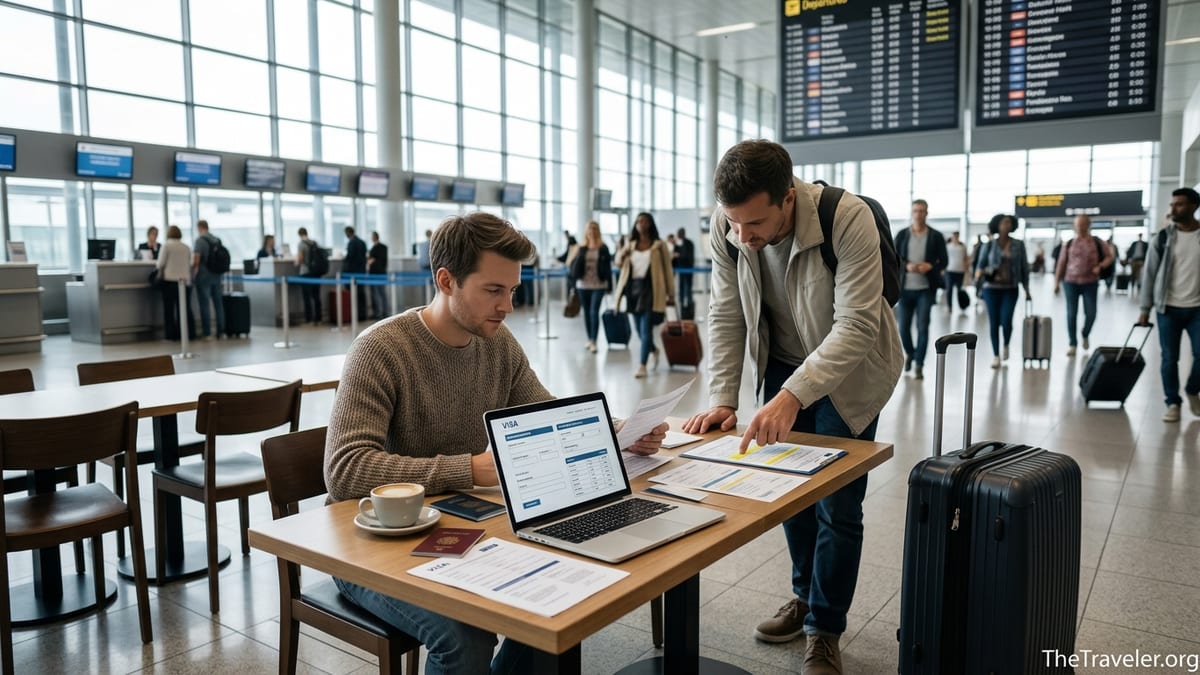
Why Visa Service Fees Matter More Than Ever in 2026
Before looking at VisaHQ alternatives, it helps to understand why you are seeing such high totals at checkout in the first place. Most visa applications now involve two separate buckets of costs. The first is the official government or consular fee, which you cannot avoid if a visa or travel authorization is required. On top of that, many countries use outsourced application centers or third party platforms that charge their own handling fee, even if you apply without a private visa agency. When you add a commercial service provider like VisaHQ, you are layering yet another fee on top of those fixed costs.
Recent changes underline how quickly those baseline costs are rising. In 2026, the United States increased several nonimmigrant and electronic travel authorization fees, while rolling out new integrity and security charges for some visitor categories. The United Kingdom’s ETA now costs about twenty pounds per traveler, and the European Union’s ETIAS system is expected to add another mandatory fee for visa exempt visitors later this year. None of these amounts include what you pay a company like VisaHQ. So if you want to keep your total spend under control, the only place you can really save is on the optional service layer.
This matters most for repeat travelers and families. A couple flying to the United States with two teenagers could easily face more than 500 dollars in official visa and authorization costs alone. Add a full service visa agency for every application and you can quickly add several hundred dollars more, sometimes enough to cover an extra hotel night or flight upgrade. With thoughtful planning, you can often get the same approval outcome while paying less for help.
When You Might Not Need a Paid Visa Service at All
One of the most effective ways to “beat” VisaHQ on price is simply to skip intermediaries entirely. Many popular destinations have simplified online portals that ordinary travelers can navigate with a bit of patience. For example, the United States ESTA website, Canada’s eTA system, and the New Zealand NZeTA platform are designed for direct applications. The same is increasingly true for regular visas that used to be fully paper based, such as India’s eVisa or Kenya’s online entry permit. In these cases, you only pay the government fee and any mandatory application center charge, with no extra agency markup.
A practical example shows how this plays out. Imagine you are an American traveler heading to Egypt. You could pay a private company 60 to 100 dollars in service fees to obtain the eVisa on your behalf, on top of the Egyptian government fee, or you can go to the official portal and spend 20 to 30 minutes entering your own data and uploading a passport scan. If you are comfortable reading instructions carefully and you are not under extreme time pressure, doing it yourself saves enough money to cover a nice dinner in Cairo or Luxor. The trade off is that you must track your own deadlines and double check the rules.
Applying directly also lowers your risk of paying for the wrong thing. In early 2026, travelers shared examples of paying private companies more than one hundred euros in processing fees for documents like Thailand’s digital arrival card that were in fact free or inexpensive via official channels. Those travelers did get a working confirmation, but paid several times more than they needed to. If you have time to research, always run a quick check on whether the government offers a straightforward online form before committing to an agency.
iVisa: A Popular Competitor With Subscription Options
For travelers who still want help but hope to spend less than they might with VisaHQ, iVisa is one of the most widely used competitors. Like VisaHQ, it is a private company that is not affiliated with any government and adds its own service fee on top of consular charges. Unlike traditional brick and mortar visa agencies, it focuses on digital applications such as eVisas, health declarations, and online travel authorizations. The company emphasizes clear separation between government fees and its own pricing, which can make costs easier to understand at checkout.
A concrete way to compare value is to look at a common document like a tourist eVisa processed at standard speed. On many routes, iVisa’s base service fee for standard processing is in the range that budget travelers consider acceptable, especially when there are promotions or coupon codes. For example, if a particular visa carries a 60 dollar government fee, iVisa might charge a standard service fee around a few tens of dollars, increasing for rush or super rush speeds. That might still be more than doing it yourself, but can undercut traditional visa agencies that charge flat handling fees above 100 dollars even for simple tourist entries.
iVisa also offers a membership style option called iVisa Plus. Under this model, you pay an annual subscription and receive unlimited standard speed processing for eligible eVisas and related documents during that year. If you are a frequent traveler who needs multiple authorizations, the math can quickly favor the subscription over paying per application with a premium agency. For instance, if you need approvals for a family trip to Europe later in the year, plus a solo work trip to the Middle East, and a stopover in a country that requires an online declaration, you might file five or six separate documents within twelve months. With a subscription, you effectively spread the service fee across all of them, paying only the extra amount if you upgrade to rush speeds.
However, iVisa is not always the cheapest option for every country. The platform focuses on convenience and human support, including 24 hour chat, multi language assistance, and manual checks of your documents. If you value those features, their fees can still feel reasonable. But if you are willing to do more legwork yourself and only need bare bones handling, you may find lower cost alternatives for straightforward visas.
CIBTvisas and Visabox: Traditional Agencies for Complex Cases
While many travelers look for the lowest possible fee, there are situations where paying for a more traditional, document heavy service is still the smarter choice. Companies like CIBTvisas and Visabox operate as full service agencies, with staff who physically deliver applications to consulates when needed, manage business and work visas, and handle tricky cases such as multi entry permits, long term stays, or travel to destinations with strict paperwork standards.
CIBTvisas, which also operates under the Travisa brand in the United States, publishes detailed service fee tables that highlight how its pricing works. A typical visa request involves a professional service fee per traveler, plus taxes where applicable, plus separate consular and shipping charges. In one recently published European price list, standard visa handling for a single traveler was quoted a little above one hundred euros before tax, with higher surcharges for same day or express processing. In North America, discounted corporate rate sheets show similar patterns, with standard service, rush surcharges, and even a percentage based processing fee on government charges paid by card.
Visabox, a German based provider, offers a similar model for travelers heading to countries such as China, India, Saudi Arabia, and Russia where consulates often demand original documents and in person submissions. Instead of leaving you to figure out appointment systems and document legalization on your own, these agencies tell you exactly which forms to complete, collect your passport, and send a courier to the consulate. Their service fee might be higher than what you would pay on an all digital platform like iVisa, but that extra support is often cheaper than losing money on a rejected long term visa or emergency trip to a consulate that is far from home.
If your priority is paying less than VisaHQ, the key is to compare specific services. For a simple tourist visa that you could theoretically handle online, a traditional agency may not deliver better value. But for a complex work or study visa, their higher up front fee can save you from paying even more later in change penalties, re bookings, or denied entries.
Emerging Digital Platforms and Local Visa Agents
Beyond the big international brands, there is a growing ecosystem of smaller digital platforms and local visa agents that can undercut VisaHQ on price while still offering personalized help. Some of these services specialize in a handful of destinations, such as Middle Eastern business visas, Schengen applications for specific nationalities, or visas for African countries that have recently moved online. Because they focus on fewer routes, they can streamline their workflows and keep service fees lower.
One example is regional online agencies that target Dubai and wider United Arab Emirates visas. Travelers have shared breakdowns of Dubai visa costs that separate the official fee from the service fee charged by agencies. In many cases, local platforms charge modest handling fees, particularly for standard processing of 30 or 60 day tourist visas. If you are flying with a Gulf based airline or booking through a local tour operator, you may find bundled offers where the airline or hotel partner’s visa desk submits your application at a lower agency rate, essentially subsidized by the rest of your booking.
In addition, some travelers prefer neighborhood travel agencies in their home city, especially for destinations like China where submitting fingerprints and in person appointments are still common. These smaller firms may print and complete your forms for a flat document fee, then accompany you through the application center, which already includes its own mandatory handling charge. Compared with an online giant, their total fee can be lower, particularly if you are applying as part of a group or a corporate account. The trade off is that their websites may be basic and they might not support last minute, high volume processing during peak seasons.
Whenever you consider an emerging or local provider, vet them carefully. Look for clear descriptions of what is included, transparent separation of government fees from service fees, and straightforward policies about refunds or re submissions if your application needs correction. A lower headline price only helps if the provider is trustworthy and responsive when something goes wrong.
Strategies to Keep Visa Costs Down Regardless of Provider
Even if you decide that a paid service is worth it, there are practical ways to keep your fees lower than what you might pay with VisaHQ by default. The first is timing. Express or same day options can double or triple service fees. If you start your application as soon as bookings open for your chosen visa, you are much more likely to qualify for standard processing. That is particularly relevant this year as some governments, such as the United States and Australia, adjust visa charges and premium processing fees, making last minute changes more expensive.
Another strategy is to optimize group applications. Many digital platforms allow family or group submissions in a single session. Although each traveler still pays a government fee, the agency might apply a reduced service fee per person when several applications are handled together. This is similar to a group discount at a travel agency and can save a family or tour group meaningful money compared with filing everyone separately through an agency that has no such structure.
You can also avoid unnecessary add ons. Some services sell extras such as SMS updates, printed confirmation packs, or so called concierge calls. While updates can be reassuring, they rarely affect your actual approval odds. Instead, focus on core services that genuinely reduce your risk of rejection: thorough document reviews, accurate translations, and clear communication about interview requirements. Before confirming payment, strip your cart down to what you truly need.
Finally, always check whether your passport’s strength and your itinerary really require a visa in advance. A few travelers pay agencies to get approvals that they could have obtained for free on arrival or did not need at all due to bilateral agreements. That scenario is less common as more countries digitize entry requirements, but it still appears in edge cases. When in doubt, cross check your route on your destination’s official immigration or foreign ministry website.
The Takeaway
There is no single best replacement for VisaHQ that suits every traveler. Instead, your goal should be to match the level of help you buy with the complexity of your trip, and to pay as little as possible for that help without sacrificing reliability. For many straightforward eVisas and travel authorizations, applying directly through the government portal or using a streamlined digital competitor like iVisa will keep your total cost below what you might pay a premium agency. Frequent travelers can sometimes do even better by using subscription models that spread service fees across several trips.
For more complicated routes, including work visas, long term stays, and travel to destinations with strict original document rules, companies such as CIBTvisas or established local agents can still offer genuine value, even if their fee tables look higher at first glance. The real savings come from avoiding errors, rejected applications, or last minute cancellations that cost far more than a professional handling charge. By understanding how visa pricing works and comparing not just headline fees but what you receive in return, you can choose an alternative to VisaHQ that respects both your budget and your travel plans.
FAQ
Q1. Is it always cheaper to apply for a visa directly instead of using VisaHQ or another agency?
Not always, but in many simple tourist cases applying directly through the official government website is the lowest cost option because you avoid private service fees.
Q2. How do iVisa’s fees generally compare to VisaHQ’s?
Exact prices vary by country and visa type, but iVisa often charges competitive service fees for standard processing and may be cheaper for straightforward eVisas, especially if you use its subscription model for multiple trips.
Q3. When does paying a higher fee to a traditional agency like CIBTvisas make sense?
It usually makes sense for complex visas such as work, study, or long term stays, or for destinations that still require in person submissions and original documents, where expert handling can prevent costly mistakes.
Q4. Are smaller local visa agents safe to use?
Many are legitimate, but you should check reviews, confirm that they clearly separate government fees from their own fees, and ask for written confirmation of what services are included before paying.
Q5. Can a third party visa service guarantee that my visa will be approved?
No reputable service can guarantee approval because the final decision always belongs to the consulate or immigration authority, although good services can reduce errors that might lead to refusals.
Q6. How can I avoid surprise markups and hidden charges?
Look for providers that list government fees and service fees separately, read the payment page carefully before confirming, and avoid offers that bundle everything into one unexplained total.
Q7. Do subscription plans like iVisa Plus really save money?
They can if you expect to apply for several eVisas or travel documents in a year, because one annual payment covers unlimited standard processing for eligible documents, but they are less useful for one off trips.
Q8. What is the biggest risk of choosing the absolute cheapest visa service I can find?
The main risk is poor support or inaccurate advice, which can lead to delays or rejections that cost you more in missed flights and hotel nights than you saved on the service fee.
Q9. How far in advance should I start my visa application to avoid rush fees?
Starting at least one to two months before travel is wise for many tourist visas, while work and study visas often require several months; always check country specific guidance.
Q10. How do I know if a service is a scam?
Red flags include pressure to pay by untraceable methods, refusal to itemize fees, lack of a physical address or company details, and claims that they can overturn consular decisions or provide guaranteed approvals.