

More news on this day
Air travelers across Canada faced another day of mounting disruption as 146 flights were delayed and 27 were cancelled, with knock-on effects rippling through key routes to Toronto, Vancouver and other major destinations.
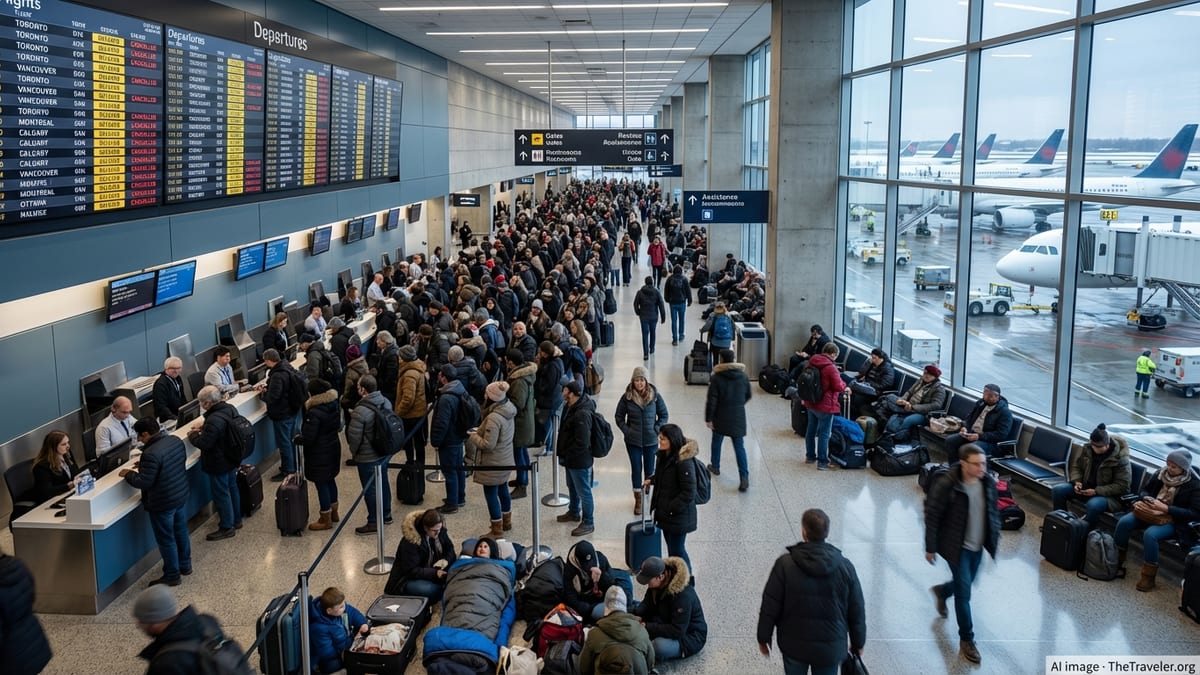
Widespread Disruptions Hit Canada’s Air Network
The latest wave of travel chaos unfolded on March 2 as carriers serving Canadian airports struggled with operational bottlenecks, staffing pressures and lingering airspace constraints. According to airport and industry data, delays and cancellations stacked up through the morning and early afternoon, straining capacity on some of the country’s busiest domestic and transborder corridors.
Toronto and Vancouver, which together handle a significant share of Canada’s passenger traffic, were among the hardest hit. Flights into and out of these hubs experienced rolling delays, while a smaller but still disruptive number of services were scrubbed entirely, forcing travelers to rebook, reroute or abandon trips.
The disruption added fresh strain to an already fragile aviation system in the late winter travel period, when weather, tight aircraft rotations and high leisure demand can quickly expose operational weak points. Passengers reported long lines at check in and customer service counters, with many facing missed connections and unplanned overnight stays.
WestJet, Republic Airways and Regional Partners Affected
The latest disruptions did not spare either Canada’s major players or their regional and codeshare partners. WestJet saw a combination of delayed and cancelled flights across its network, including services tied to major hubs and smaller Canadian cities. The carrier, which operates both mainline and regional flights, has been navigating a tight schedule environment in recent weeks, leaving little room to recover when irregular operations occur.
Republic Airways, which operates regional services under contract for larger North American airlines, also appeared in the mix of affected carriers. Its performance matters for Canadian travelers because many Republic-flown routes feed into cross-border connections, especially at U.S. hubs linking back to Toronto and Vancouver. When those regional flights run late or are cancelled, downstream connections into Canada can unravel quickly.
Other operators, including Canadian regional airlines and international carriers serving the country’s gateway airports, were also caught up in the disruption. With multiple airlines relying on shared infrastructure, a bottleneck at security, ground handling or air traffic control in one location can cascade across several networks within hours.
Toronto and Vancouver Bear the Brunt
Toronto Pearson and Vancouver International once again found themselves at the heart of Canada’s air travel turbulence. As primary gateways, both airports manage dense schedules of domestic, transborder and long haul flights, which amplifies the impact when irregular operations set in.
Toronto saw a wave of delayed arrivals that quickly translated into late departures, as aircraft and crews arrived behind schedule. Travelers connecting through Pearson reported tight and, in many cases, missed connections, particularly on eastbound evening departures and sun destination flights that rely on precise turnaround times to remain on schedule.
In Vancouver, delays on key domestic routes, including services along the busy west coast corridor and into interior British Columbia, disrupted travel plans for both business and leisure passengers. Some travelers bound for transpacific flights from Vancouver found themselves racing against the clock after inbound services from other Canadian cities departed late, raising the risk of misconnected itineraries.
Secondary airports feeding into these hubs also experienced knock-on effects. When aircraft and crews are out of position due to earlier delays, smaller communities can see flights cancelled outright or retimed at short notice, further complicating travel for those with limited alternative options.
Operational Strains and Airspace Constraints Blamed
Industry sources cited a familiar combination of pressures behind the day’s disruptions, including tight staffing levels in some operational roles, congested schedules and ongoing airspace restrictions that limit routing flexibility. Even minor technical issues or weather-related slowdowns can trigger outsized impacts when networks are already operating with little slack.
Canada’s airspace has been under intermittent strain as carriers adjust routings around conflict zones and constrained corridors, adding flying time to some long haul services and tightening connection windows at domestic hubs. Those adjustments, while necessary for safety and compliance, leave airlines with fewer options to recover from late inbound flights.
Airlines have also warned that winter and early spring can be particularly challenging periods, as storms and low visibility events in one region can generate systemwide knock-ons. While no single acute weather event was solely responsible for the current disruption, residual delays from earlier days and localized conditions combined with operational constraints to create a difficult operating environment.
Passengers Face Long Waits and Limited Options
For travelers caught in Monday’s disruptions, the immediate impact was felt in hours-long waits, rebooked itineraries and, in some cases, additional out-of-pocket expenses for accommodation and meals. With many flights operating close to full, same day alternatives were limited, especially on peak routes into and out of Toronto and Vancouver.
Some passengers reported being rebooked on later flights or routed through secondary hubs, stretching journeys that should have taken a few hours into daylong odysseys. Others chose to cancel nonessential trips outright, citing uncertainty about whether they would reach their destinations on time.
Consumer advocates again urged travelers to document delays and cancellations carefully and to review their rights under Canada’s air passenger protection rules and any applicable international regulations. While compensation eligibility depends on factors such as the cause of disruption and the size of the carrier, passengers are generally entitled to assistance such as rebooking and, in certain cases, monetary redress when flights are delayed or cancelled for reasons within an airline’s control.
With the busy spring break period approaching, both airlines and airports are likely to face scrutiny over their ability to stabilize operations and protect travelers from further large scale disruptions. For now, authorities and carriers are advising passengers to monitor flight status closely, allow extra time at the airport and remain prepared for last minute schedule changes.