

More news on this day
Travelers at Hartsfield-Jackson Atlanta International Airport in Atlanta faced fresh disruption today as multiple airlines reported 11 flight cancellations and more than 200 delays, leaving passengers stranded and complicating connections on some of the country’s busiest domestic routes.
Get the latest news straight to your inbox!
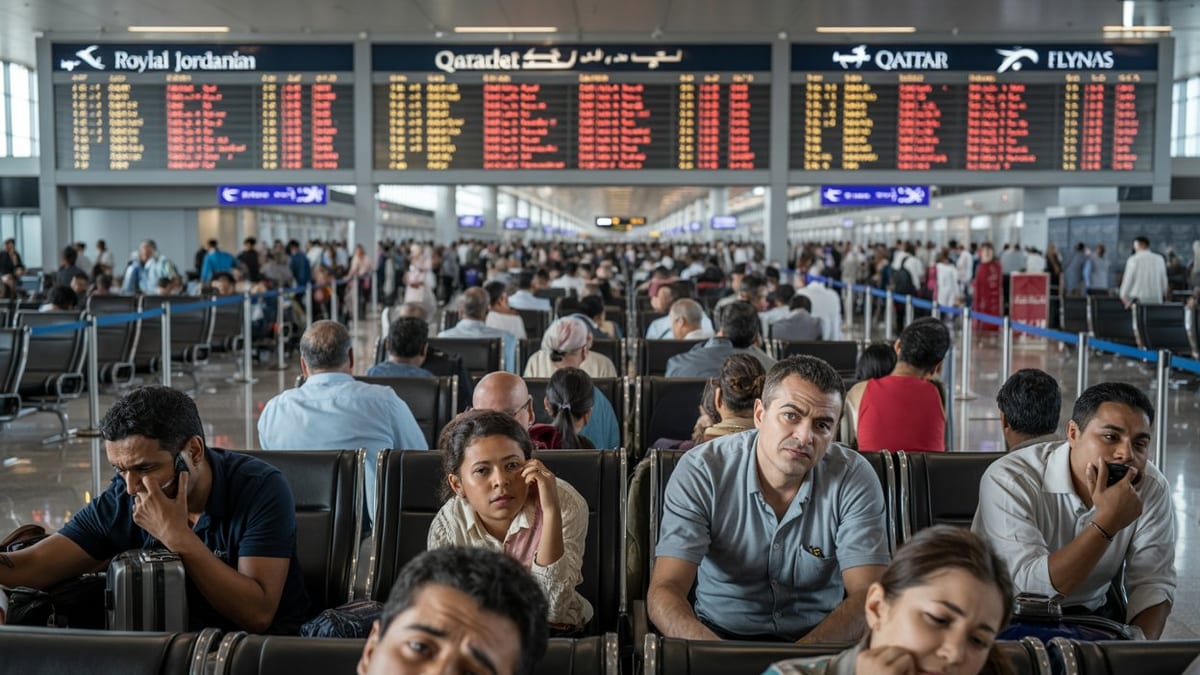
Image by Travel And Tour World
Ripple Effects Across Major U.S. Routes
Publicly available tracking data on March 29 indicated that operations at Hartsfield-Jackson were again under strain, with cancellations and delays affecting a broad mix of domestic services. The disruption involved large network carriers such as Delta Air Lines and American Airlines as well as low-cost operators including Southwest Airlines, along with several smaller carriers serving the Atlanta hub.
The latest figures showed 11 flights canceled and approximately 219 delayed at the airport, a volume significant enough to cause knock-on effects across the national network. Routes linking Atlanta with New York, Los Angeles, Chicago and Miami were among those experiencing schedule changes, with late-arriving aircraft and rolling delays complicating onward travel plans.
Connections to New York area airports, particularly LaGuardia and Newark, were reported as vulnerable to longer-than-normal waits as aircraft rotated through the system. Westbound services to Los Angeles and other West Coast destinations saw creeping delays through the morning and midday periods, while flights to Chicago and Miami faced a mix of minor and moderate schedule disruptions.
Travel industry observers noted that while the number of outright cancellations remained relatively limited compared with severe-weather events or ground stops, the clustering of more than 200 delayed departures and arrivals at the nation’s busiest passenger airport was enough to overwhelm rebooking options for many travelers.
Lingering Strain After Weeks of Operational Pressure
The latest problems unfolded against a backdrop of heightened strain at Hartsfield-Jackson throughout March. Earlier in the month, reports of a Delta-related ground delay program and periods of widespread schedule changes at the Atlanta hub drew national attention, with social media posts describing passengers held on aircraft for extended periods and connections missed by hours.
In parallel, a partial federal government shutdown has affected staffing across the aviation system, placing additional stress on security checkpoints. Recent coverage by national outlets and local Atlanta media has highlighted elevated absence rates among Transportation Security Administration workers and the resulting vulnerability of large hubs such as Atlanta to even minor operational shocks.
In response to long lines and missed departures earlier in the week, Delta introduced a travel waiver for customers flying through Atlanta, allowing some passengers to adjust their plans without standard change fees. The policy, announced in company updates and carried widely by news and travel outlets, underscored how sustained operational turbulence has been reshaping travel decisions for people who rely on the airport for both nonstop and connecting journeys.
Today’s mix of cancellations and delays appeared to build on that recent history, reinforcing concerns that recurring pockets of disruption could persist even in the absence of a single, clearly defined weather or technical trigger.
Security Queues and Terminal Crowding Add to Disruption
Alongside schedule problems, travelers arriving at Hartsfield-Jackson on Sunday morning encountered uneven conditions at security checkpoints. Recent days have seen surges in wait times at peak periods, including early morning departures, as staffing shortages intersect with heavy passenger volumes and the continued presence of temporary support personnel from other federal agencies.
Accounts shared on public forums and local message boards over the weekend described early morning lines stretching well beyond normal queue areas in the domestic terminal, with some passengers waiting close to an hour before clearing security. Others, particularly those passing through later in the morning or using less crowded checkpoints, reported relatively quick processing as additional lanes opened and staffing patterns shifted.
The inconsistent experience has made it harder for travelers to gauge how early they should arrive. While some carriers and local coverage have advised allowing considerably more time than usual, particularly for those checking bags, anecdotal reports also indicated that certain periods saw minimal waits, creating a perception of unpredictability for anyone planning tight connections or early departures.
Terminal concourses reflected that variability, with some gate areas visibly more congested as delayed flights stacked up, while nearby gates serving on-time or lightly delayed services remained comparatively calm. For passengers facing cancellations, the crowding around airline customer service desks and self-service kiosks added yet another layer of stress.
Impact on Airlines and Passengers at the World’s Busiest Hub
Hartsfield-Jackson has long been recognized as the world’s busiest passenger airport by annual traffic, and that scale magnifies the impact of even modest operational disruptions. Delta Air Lines, which maintains its largest hub in Atlanta, is particularly exposed, with any local bottlenecks quickly affecting aircraft and crews scheduled to fan out across its domestic and international network.
American Airlines and Southwest Airlines, though smaller players in the Atlanta market, also contribute to and are affected by the congestion, especially on overlapping routes to large metropolitan areas such as New York, Chicago and Miami. Smaller airlines that rely on timely connections through Atlanta to feed passengers onto larger carriers’ networks face added risk when delays ripple across multiple banks of departures.
For passengers, the immediate consequences ranged from extended waits on the ground to missed events, vacations shortened by a day and business trips compressed into tighter windows. With a significant number of delayed flights still managing to depart within an hour or two of schedule, some travelers merely contended with longer stays in gate areas, while others whose flights were among the 11 cancellations confronted overnight hotel stays or rebooked itineraries stretching into Monday.
Consumer advocates have pointed out that such disruptions particularly affect travelers with fewer resources or less flexibility, including those flying on basic economy tickets with limited rebooking options, families traveling during school breaks and workers with tightly constrained time away from hourly jobs.
What Travelers Can Expect Through the Remainder of the Day
As of Sunday afternoon, publicly accessible flight-tracking and airport-status services indicated that delays at Atlanta were likely to continue through the day, although the precise scale of the disruption remained fluid. When early departures run behind schedule, aircraft and crew rotations can remain out of position for several consecutive banks of flights, prolonging operational challenges into evening hours.
Travel analysts note that the concentration of delays at a central hub like Atlanta can continue to affect flights far from Georgia, including services that never touch Hartsfield-Jackson but rely on aircraft or crews originating there. Routes between New York, Los Angeles, Chicago and Miami and their secondary airports are particularly susceptible to continued knock-on effects when Atlanta traffic is constrained.
Passengers scheduled to fly later on Sunday or early Monday have been encouraged in published advisories to monitor their flight status frequently, check for any flexible-change options offered by their airline and allow extra time to move through ticketing, bag drop and security. While today’s cancellation tally remains low compared with major storms or systemwide outages, the combination of 11 cancellations, 219 delays and ongoing staffing pressures has once again highlighted how quickly travel through one of the country’s most important aviation hubs can be thrown off course.