

More news on this day
The US Centers for Disease Control and Prevention has renewed a global travel alert for dengue, the mosquito-borne viral infection often dubbed “breakbone fever,” as cases surge across multiple regions and more travelers return home infected.
Get the latest news straight to your inbox!
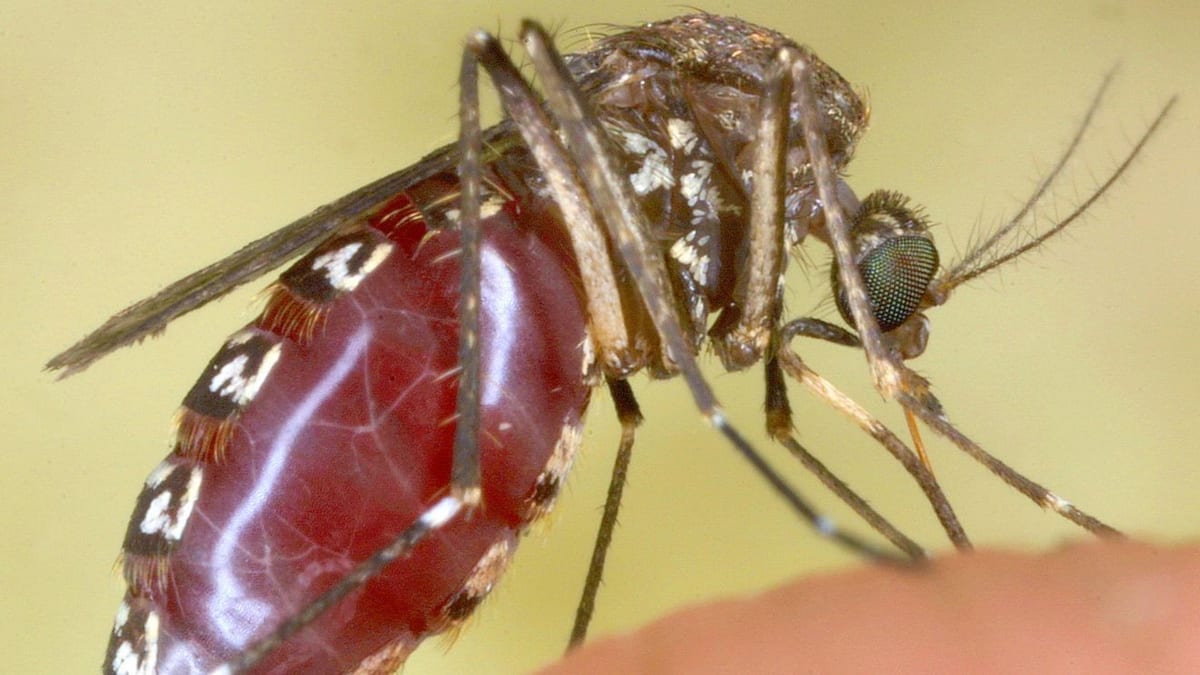
Image by KOMO
Global alert highlights rising dengue burden
The latest CDC Level 1 global travel health notice for dengue, updated in February 2026, underscores that the disease is now a year-round risk in many tropical and subtropical destinations. The advisory notes that some countries are reporting higher than usual numbers of cases, and surveillance systems are detecting an elevated number of infections among travelers returning to the United States.
Publicly available CDC data indicate that travel associated dengue infections in US residents surpassed previous records in recent years, following large outbreaks across the Americas and other endemic regions. Health agencies describe dengue as one of the fastest growing mosquito-borne viral threats worldwide, with billions of people living in areas where the virus circulates.
The global notice does not restrict travel but urges people heading to affected destinations to “practice usual precautions.” This phrasing reflects the Level 1 classification, the lowest of four CDC travel notice categories, while still signaling that the underlying risk environment has shifted as outbreaks intensify.
What travelers need to know about “breakbone fever”
Dengue is caused by four closely related viruses transmitted primarily by Aedes mosquitoes, which tend to bite during the day and thrive in urban environments. The infection is sometimes called breakbone fever because of the severe muscle and joint pain that can accompany high fever, headache, rash, and profound fatigue.
According to CDC and World Health Organization technical summaries, most infections are mild, but about one in twenty people with symptomatic illness can develop more serious complications. Severe dengue can involve plasma leakage, shock, internal bleeding, and organ impairment, and it is considered a medical emergency that usually requires hospitalization.
Illness typically begins four to ten days after a mosquito bite and lasts several days to a week. People who have had dengue in the past face a higher risk of severe disease if they are infected again with a different viral type, making repeat travel to endemic areas a particular concern. There is no specific antiviral treatment; care focuses on careful fluid management and monitoring for early warning signs of deterioration.
Hot spots span the Americas, Asia, Africa, and the Pacific
The current CDC mapping of dengue risk shows that almost half of the world’s population lives in areas where the virus circulates. Large parts of Latin America and the Caribbean, South and Southeast Asia, parts of the Western Pacific, and pockets of Africa and the Middle East are classified as having frequent or continuous transmission or sporadic but documented local cases.
Recent public health reports describe especially intense activity in several countries in the Americas, where record-breaking outbreaks over the last few seasons have driven up case counts among both residents and visitors. Puerto Rico and some mainland US states have also documented locally acquired infections in recent years, illustrating how climate and urbanization trends are expanding the range of competent mosquito vectors.
In its 2026 travel notice, the CDC lists specific countries where reported case numbers are higher than expected or where returning US travelers have been diagnosed more often than usual. The list spans multiple continents and is subject to change as weekly surveillance updates identify new clusters. Travelers are advised to review destination-specific health information shortly before departure rather than relying on older guidance.
Practical steps to reduce risk while traveling
With no widely available dengue vaccine recommended for most US travelers and no stand-alone cure, prevention centers on avoiding mosquito bites. Publicly available CDC guidance recommends using insect repellents registered with the Environmental Protection Agency that contain active ingredients such as DEET, picaridin, IR3535, or oil of lemon eucalyptus, applied according to label directions.
Travel health resources further advise wearing long sleeves, long pants, and socks, particularly during daylight hours when Aedes mosquitoes are most active, and choosing accommodations with air conditioning or screens on windows and doors. In areas with limited housing infrastructure, using bed nets and staying in rooms equipped with fans can provide additional protection.
Experts also point to the importance of local mosquito control measures, such as eliminating standing water in containers where Aedes mosquitoes breed. While individual visitors cannot influence community level programs, simple actions around vacation rentals, such as emptying buckets and covering water storage, can help reduce exposures in the immediate environment.
When to seek medical care during or after a trip
Health agencies urge travelers to pay close attention to symptoms during and after trips to dengue affected regions. People who develop a high fever, severe headache, joint or muscle pain, nausea, vomiting, or a characteristic rash within two weeks of returning should contact a healthcare provider and mention recent travel and possible dengue exposure.
Publicly accessible clinical guidelines describe several danger signs that warrant urgent evaluation, including intense abdominal pain, persistent vomiting, bleeding from the nose or gums, blood in vomit or stool, rapid breathing, extreme fatigue, or sudden restlessness. These may signal progression to severe dengue and the need for hospital based care.
Travel medicine specialists emphasize that early diagnosis allows clinicians to monitor blood counts and fluid status more closely, potentially averting life threatening complications. For travelers planning upcoming trips during the busy spring and summer season, the renewed CDC alert serves as a reminder that dengue, long associated with faraway tropical destinations, is an increasingly global concern that demands careful planning before takeoff and vigilance after return.