


More news on this day
Chicago O’Hare International Airport is once again at the center of global aviation disruption, as a new wave of delays and cancellations ripples through the networks of major carriers and strands passengers from Atlanta to London.
Get the latest news straight to your inbox!
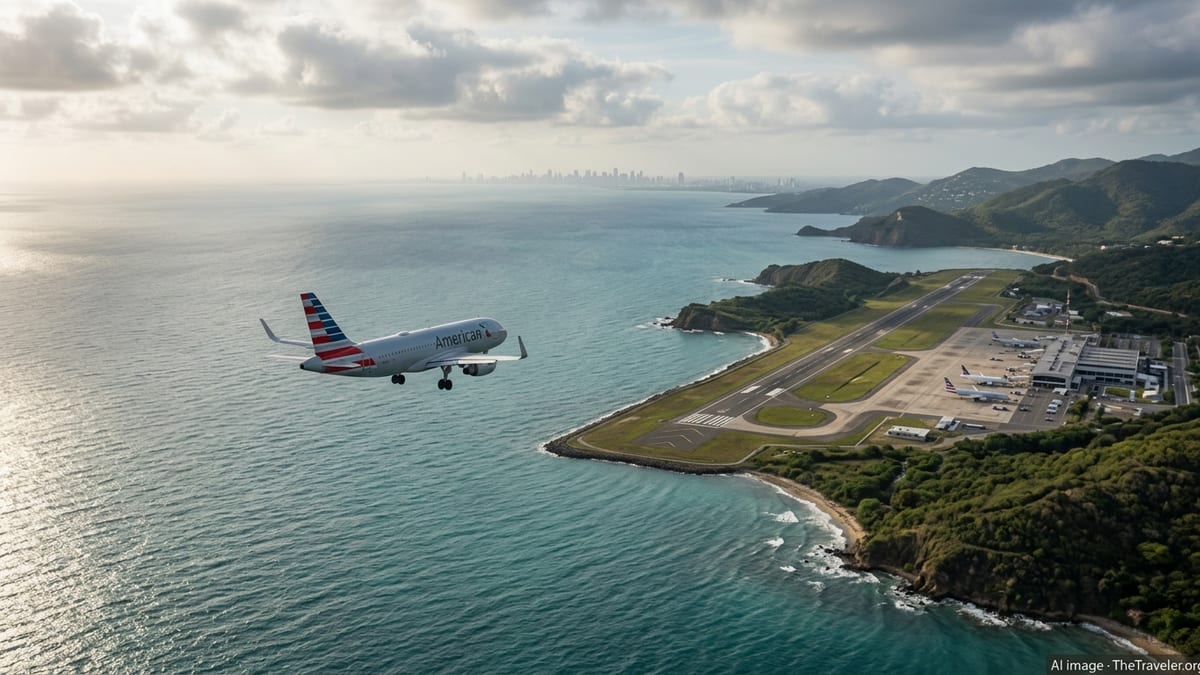
357 Delays at O’Hare Ripple Across Major Airline Networks
Publicly available tracking data shows Chicago O’Hare facing 357 delayed flights and a cluster of cancellations, creating one of the most disruptive travel days at the hub so far this season. The disruptions are concentrated among large network carriers, including American Airlines, Delta Air Lines and Lufthansa, whose schedules tie O’Hare to dozens of domestic and long haul international destinations.
The irregular operations are hitting a range of key routes, from domestic connections through Atlanta and other U.S. hubs to transatlantic services linking Chicago with London and Frankfurt. As aircraft and crews fall out of position in Chicago, knock on effects are being recorded at onward airports hours later, extending the impact well beyond the Midwest.
Data from global delay trackers and airport information boards indicates that the vast majority of affected flights are late rather than canceled, but even a limited number of cancellations has proven enough to sever tight connections and force widespread rebookings. For travelers, the distinction between delay and cancellation often matters less than the cumulative effect on missed meetings, disrupted vacations and broken itineraries.
The turbulence at O’Hare comes against the backdrop of a broader pattern of elevated disruption across the United States in 2026, with multiple hubs experiencing spikes in late running operations throughout the spring. Aviation analysts note that Chicago’s role as both a domestic connector and an intercontinental gateway makes it particularly prone to cascading effects when schedules begin to slip.
American, Delta and Lufthansa Passengers Face Chain Reactions
American Airlines, Delta Air Lines and Lufthansa are among the most exposed carriers when O’Hare runs into trouble, due to their reliance on the airport as either a core hub or a critical spoke in their global networks. On the current day of disruption, publicly accessible flight data highlights delayed departures and arrivals across these airlines’ Chicago operations, with knock on schedule changes appearing at downline airports.
American’s domestic and international banks at O’Hare are especially vulnerable to rolling delays, since a large share of the airline’s passengers connect through the airport on multi segment itineraries. A late arriving narrow body from a regional city can delay an onward departure to a larger hub, which in turn can affect connections onto wide body services bound for Europe or other long haul markets.
Delta, which links O’Hare to its primary hub in Atlanta and other focus cities, shows a pattern of delayed rotations that radiate outward along the Chicago Atlanta corridor. When aircraft depart Chicago late, the impact is often felt several flights later in the day as crews bump up against working time limits and aircraft miss their planned turn times.
Lufthansa’s schedule between Chicago and major European hubs such as Frankfurt and other Star Alliance connection points is also affected when O’Hare runs behind. Even modest delays on departures out of Chicago can force missed connections for travelers continuing onward to cities across Europe, the Middle East and Africa, effectively exporting Chicago’s operational challenges across multiple continents.
From Atlanta to London, Global Hubs Absorb the Shock
While the immediate disruption is centered on O’Hare, the consequences are visible at other major airports that depend on reliable Chicago connections. In the United States, Atlanta’s Hartsfield Jackson, already one of the world’s busiest hubs, is absorbing late inbound and outbound flights tied to Delta’s Chicago services. That, in turn, can squeeze already tight connection times for domestic and international travelers moving through Georgia.
On the other side of the Atlantic, publicly available arrival and departure boards for London and Frankfurt show knock on delays to flights that originate or connect via Chicago. Passengers booked on American and partner flights into London, as well as on Lufthansa services into Frankfurt, are encountering pushed back departure times, extended waiting periods at gates and, in some cases, missed onward connections.
Travel industry reports indicate that these secondary impacts are not limited to the headline airports. Smaller European and U.S. cities that rely on a single daily Chicago link for access to long haul networks may see that flight arrive late or depart behind schedule, compressing connection windows to minutes or erasing them altogether. For travelers bound for less frequently served destinations, even a short delay out of O’Hare can translate into an unplanned overnight stay.
The global nature of modern airline scheduling means that a localized spike in disruption can quickly become an international story. Aircraft operating transatlantic rotations often complete multiple long haul trips per week, so a delay on one day can reverberate for several days before the network fully recovers.
Capacity Constraints and Tight Turn Times Under Scrutiny
O’Hare’s latest wave of disruption comes as regulators and airlines focus more closely on capacity constraints and scheduling practices at the airport. Recent months have seen federal authorities outline plans for flight reductions and slot management in Chicago, citing concerns about congestion and the ability of the airport’s infrastructure to withstand peak demand without triggering excessive delays.
Industry commentary points to a combination of late arriving aircraft, constrained runway and gate capacity, and tight aircraft turn times as key ingredients in the current turbulence. When aircraft land behind schedule into an already busy bank of arrivals, even small procedural hiccups can accumulate into significant departure delays, especially during peak connection windows.
Airline planners have attempted to spread peak loads and adjust schedules ahead of the busy summer season, but Chicago’s role as a central transfer point amplifies the effect of any mismatch between planned and actual operations. In practice, high load factors and limited spare capacity during busy hours leave little room for recovery when irregular operations begin to build.
Observers note that this dynamic is not unique to O’Hare, but public data on historic performance frequently places Chicago among the more delay prone large airports in the United States. The current episode of disruption is likely to intensify debates over how aggressively airlines and regulators should pare back schedules to match what the airport can reliably handle, particularly during weather sensitive periods.
What Today’s Chaos Means for Summer Travelers
The latest disruption at Chicago O’Hare offers a preview of the challenges travelers may face as summer travel volumes climb. Forecasts for the 2026 peak season suggest passenger numbers near or above pre pandemic levels across much of the U.S. network, with Chicago and Atlanta expected to rank among the most heavily used connection points.
Travel experts cited in recent industry coverage recommend that passengers transiting O’Hare build in longer connection times, especially when traveling on complex itineraries involving transatlantic or multi stop journeys. Where possible, booking earlier flights in the day and avoiding the tightest legal connection windows may provide additional protection against missed onward flights if delays accumulate.
Passenger rights advocates also highlight the importance of understanding the rules that govern care, rebooking and compensation when flights are delayed or canceled. Depending on the route and operating carrier, travelers on services involving American, Delta and Lufthansa may have access to hotel vouchers, meal allowances or financial compensation when disruptions are linked to controllable operational issues rather than severe weather or air traffic restrictions.
For now, the scene in Chicago underscores how quickly one airport’s rough day can become a global event. As airlines work to rethread their disrupted networks and passengers from Atlanta to London adjust plans on the fly, O’Hare’s latest bout of turbulence is likely to fuel continued scrutiny of scheduling practices and resilience across the interconnected world of commercial aviation.