

Indiana rewards travelers who plan ahead. From lakefront dunes and college towns to downtown Indianapolis and quiet Amish country, the Hoosier State offers more variety than many visitors expect. It also has its own quirks: volatile weather, complex highway networks, big-ticket sporting events, and rural distances that can surprise first-time visitors. Understanding the most common Indiana travel mistakes can help you avoid frustration and enjoy a smoother, more rewarding trip.
Underestimating Indiana Weather and Seasonal Swings
Many visitors assume Indiana’s weather is mild and predictable because it sits in the American Midwest. In reality, conditions can shift quickly, sometimes in a matter of hours. Spring and fall in cities like Indianapolis, Bloomington, and South Bend can swing from warm and sunny one day to chilly, rainy, or even snowy the next. Summer brings hot, humid conditions and sudden thunderstorms, while winter can feature lake-effect snow in the north and slick roads across the state. Travelers who pack only for the forecast on their arrival date often end up scrambling for extra layers, rain gear, or lighter clothing mid-trip.
Another common mistake is failing to consider how weather affects specific attractions. Hiking in Indiana Dunes National Park or state parks like Brown County can be muddy and slippery in spring, while summer humidity can make mid-afternoon trails feel more strenuous than expected. At the same time, overlooking winter travel potential means some visitors miss quieter, atmospheric experiences such as snow-dusted small towns, holiday markets, and less crowded museums and galleries. Building in flexibility and planning weather-appropriate activities can dramatically improve your visit.
To avoid weather-related surprises, pack layers regardless of season. A breathable base layer, mid-weight sweater or fleece, waterproof shell, and comfortable walking shoes with some traction will serve you well across most of the year. In summer, include sun protection and lightweight fabrics that dry quickly. In winter, plan for freezing temperatures, windchill, and icy sidewalks, especially in northern and lake-adjacent communities. Check forecasts from a couple of reliable sources in the week before you travel, but also assume conditions could be a bit warmer, colder, wetter, or windier than predicted.
Timing your visit around the seasons is equally important. Autumn can be spectacular in southern Indiana’s hill country, but weekends during peak foliage can be busy and more expensive. Late spring and early summer bring festivals, outdoor concerts, and baseball games, which create a lively atmosphere but also higher demand for parking and hotels. Winter may offer lower prices and lighter crowds, but short daylight hours and icy roads require cautious driving. Recognizing these trade-offs and planning accordingly helps you choose the Indiana that matches your travel style.
Misjudging Distances, Driving Conditions, and Tolls
On a map, Indiana can look compact and straightforward to cross, especially if you are used to driving in larger states. That visual simplicity leads some travelers to underestimate driving times, fuel needs, and fatigue. Interstate highways such as I-65, I-70, I-74, and I-69 make it easy to move between major cities, yet traffic bottlenecks, construction projects, and weather slowdowns are common. Rural highways in farm country or along the Ohio River can be scenic but slower than expected, with lower speed limits, farm equipment on the road, and limited services at night.
A second oversight involves the Indiana Toll Road in the northern part of the state, which links the Chicago area to Ohio. Many long-distance drivers are surprised by how quickly toll costs can add up when they cross the full length of the road, especially if they are making several trips in and out of the region. Rental car users sometimes forget to verify how tolls are handled, only to face additional administrative fees later. Conversely, trying to avoid the toll road entirely without planning an alternate route can add significant time and complexity to a drive.
To avoid these pitfalls, build generous buffers into your driving schedule. When traveling between major cities such as Indianapolis, Fort Wayne, Evansville, and South Bend, plan extra time for construction slowdowns and rush-hour congestion near urban centers. In winter, assume any drive could take longer than your navigation app suggests, particularly in northern Indiana where snow and ice are more frequent. Keep your fuel topped up in rural stretches and avoid cutting it close, since gas stations can be spaced farther apart than in metro areas.
Before using the Indiana Toll Road, check current toll rates and consider using an electronic pass if you already have one that works across multiple states. If you are in a rental car, read the fine print on toll billing so you are not surprised by added service fees. If you choose to avoid tolls, let your navigation app show a non-toll route ahead of time and confirm that it still makes sense based on your schedule and driving comfort. The combination of realistic time planning, awareness of winter conditions, and proactive toll management makes driving in Indiana far less stressful.
Ignoring Major Events, Game Days, and Festival Crowds
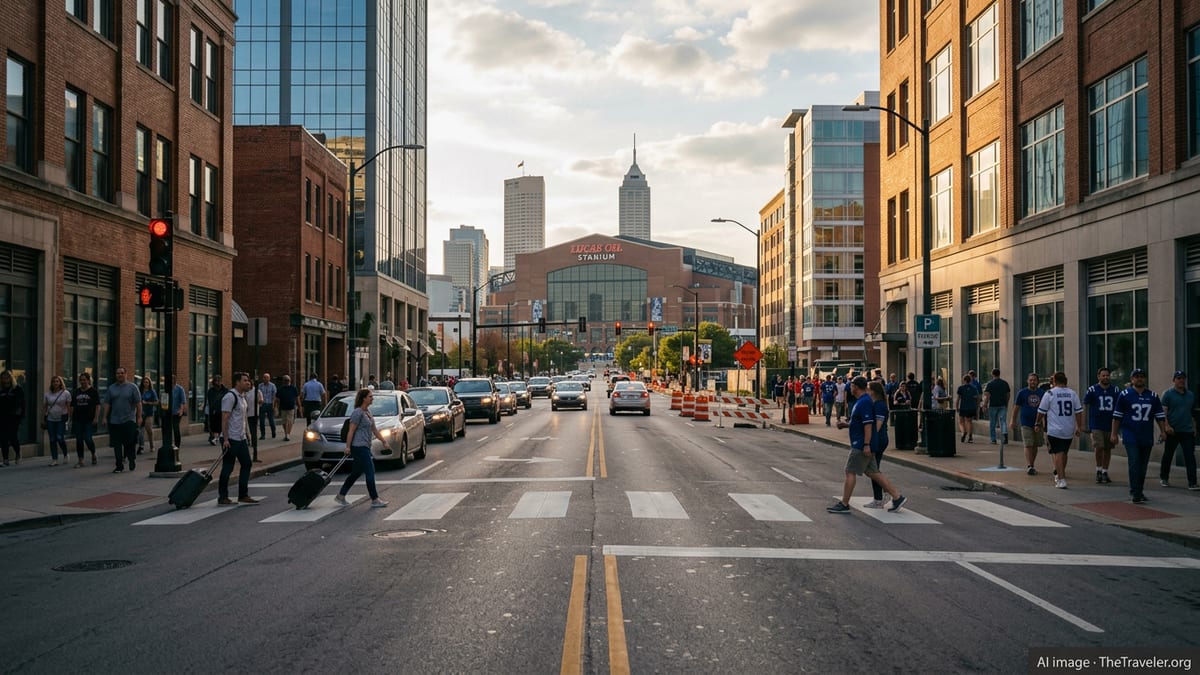
One of the biggest travel mistakes in Indiana is overlooking how sports and special events transform traffic, hotel availability, and downtown logistics. Indianapolis alone hosts professional football, basketball, baseball, soccer, racing events, and periodic national tournaments. On game days for the Indianapolis Colts, Indiana Pacers, Indiana Fever, or large college matchups, streets around stadiums and arenas often feature lane closures, redirected traffic, and limited street parking. Large conventions can have similar impacts, especially around the Indiana Convention Center.
Statewide, marquee events such as the Indianapolis 500, Brickyard weekend, major college football games, and March basketball tournaments can double or triple demand for both lodging and parking. Travelers who book late or arrive without reservations may face high last-minute rates or find themselves staying far from their preferred neighborhood. Even those not attending an event can be caught in gridlocked traffic or unexpectedly long waits for restaurant tables and rideshares.
To avoid event-related headaches, always check the local events calendar for the cities on your itinerary. Look for pro and college sports schedules, motorsports events, festivals, and large conventions. If your dates line up with a high-demand weekend, make hotel reservations early, especially near venues such as Lucas Oil Stadium, Gainbridge Fieldhouse, Victory Field, or the Indianapolis Motor Speedway. If you plan to attend, pre-book parking when possible and pay attention to official guidance on recommended routes, shuttle services, or public transit options.
If you are not interested in the events themselves, consider staying slightly outside the immediate downtown area or shifting your travel dates by a day or two. Arriving the day after a big game or race can mean calmer streets and more availability. When you must travel during a busy weekend, structure your day to avoid peak surge times. Plan indoor attractions, long meals, or neighborhood explorations while crowds are arriving and leaving venues, and do your downtown driving during quieter windows. With a little foresight, you can enjoy the energy of Indiana’s event culture without letting it derail your plans.
Overlooking Small Towns, Nature, and Regional Variety
Many first-time visitors focus almost entirely on Indianapolis, assuming most of Indiana’s appeal begins and ends in the capital. While the city has plenty to offer, from sports and museums to a growing food scene, limiting your trip to a single metro area is a missed opportunity. The state is dotted with character-filled small towns, university communities, and scenic regions that reveal a very different side of Indiana. Ignoring these areas can leave you with an incomplete and sometimes generic impression of the state.
Southern Indiana, for example, offers rolling hills, river towns along the Ohio, and beloved hiking and biking areas. College towns such as Bloomington and West Lafayette combine arts, live music, and sports with youthful energy. Northern Indiana includes lake country, Amish communities, and proximity to dunes and shoreline views. Many of these destinations are within a reasonable drive of Indianapolis, making them ideal for day trips or short overnights. Travelers who rush through on the interstate and never deviate from major exits often miss this diversity entirely.
A related mistake is not giving nature enough room in the itinerary. Indiana’s parks, trails, and waterways may not be as internationally famous as some national park icons, but they are central to local life. Walking or cycling along greenways, exploring state parks, or spending a few hours on a lake can provide a welcome break from urban sightseeing and long drives. When visitors skip these outdoor experiences, their trip can feel weighted toward indoor attractions, malls, and chain restaurants, which could be almost anywhere in the Midwest.
To add more depth to your Indiana journey, plan at least one or two days outside the main urban core. Look for regional highlights within an hour or two of where you are staying and balance your schedule with both cultural and outdoor activities. Even a single afternoon exploring a historic downtown square, local market, or riverside trail can change your perception of the state. Travel time invested in these side trips often pays off with memorable conversations, quieter scenery, and a stronger sense of place.
Mismanaging Budgets, Dining, and Local Logistics
Another frequent Indiana travel mistake is assuming costs will be uniformly low and not budgeting for spikes tied to events, location, or timing. While many everyday expenses can be moderate, certain weekends drive hotel and parking prices up sharply. Staying in downtown Indianapolis during a major game, concert, or racing event can be significantly more expensive than a quiet midweek visit. Parking at or near large venues may also be substantially higher on event days. Visitors who arrive without reservations or flexible funds may end up paying more than planned or sacrificing convenience.
Dining expectations can also trip up travelers. Some visitors arrive expecting only familiar chains and basic comfort food, and then overlook local favorites, farm-to-table spots, and diverse ethnic cuisines that have taken root in cities and college towns. Others make the opposite mistake, waiting until the last minute to secure reservations at popular restaurants on busy weekends. In smaller communities, arriving late without a backup plan can mean limited choices, especially after peak dinner hours, when independent kitchens may close earlier than big-city diners expect.
Logistical details, such as parking rules and opening hours, are another source of frustration when ignored. Downtowns may enforce metered parking into the evening and on Saturdays, and private lots often shift to flat event rates on game or concert nights. Parking where signs are unclear, or assuming that a quiet lot is free to use, can result in tickets or towing. Similarly, some attractions are closed on Mondays or have reduced winter hours, which can derail carefully timed itineraries if you do not verify schedules in advance.
To avoid these budget and logistics missteps, research event calendars and approximate hotel prices for your dates before finalizing plans. Where possible, lock in cancellable reservations early and adjust as needed. Identify a mix of dining options at different price points near where you will be at mealtimes and make reservations for at least your top few dinners on busy weekends. Pay strict attention to parking signage and hours, use official payment apps when required, and double-check attraction opening times a day or two before your visit. A bit of planning can keep costs predictable and help you focus on enjoying the experience.
Assuming Rural Areas and Small Cities Work Like Big Metros
Visitors used to major coastal or international cities sometimes misread the scale and service patterns of Indiana’s smaller communities. Public transportation outside Indianapolis is often limited, and even within the capital it may not reach every attraction you want to visit. Relying solely on rideshares in rural or suburban areas can lead to long waits or a lack of available drivers late at night. Some travelers arrive expecting frequent trains or buses between cities, only to discover that self-driving or renting a car is usually the most practical option.
Business hours are another area where assumptions can cause problems. In smaller towns and certain neighborhoods, restaurants and shops may close earlier than travelers anticipate, especially on Sundays or weekdays outside peak tourist seasons. Expecting late-night dining in a quiet county seat, or planning to visit a museum on a Monday, can lead to disappointment if you do not verify hours. Certain services, such as pharmacies or specialty outdoor shops, might also have limited weekend hours compared with large metropolitan areas.
Connectivity is improving statewide, but mobile coverage and data speeds can still be inconsistent in some rural or heavily wooded regions. Drivers who assume constant high-speed connectivity for navigation and streaming may find themselves briefly offline, particularly on back roads, near state parks, or in deep river valleys. That can be an issue when you are relying on turn-by-turn directions, digital tickets, or last-minute accommodation bookings.
To adapt successfully, think through how you will move around each destination and what you truly need from your phone. If you plan to explore outside major cities, consider renting a car and downloading offline maps before you hit the road. Take screenshots of key booking confirmations, addresses, and parking instructions in case coverage drops. When planning meals and shopping, check posted hours online or by phone for the specific day of the week you intend to visit. Adjusting expectations from a big-city mindset to a more local rhythm will make your trip smoother and interactions with residents more relaxed.
The Takeaway
Traveling through Indiana can be rewarding, whether you are drawn by iconic sporting events, quiet small towns, lakefront dunes, or college campuses. The most common mistakes visitors make usually stem from underestimating weather volatility, driving distances, the impact of major events, and local logistics. These are avoidable pitfalls that can be managed with a little research and flexible planning.
By checking seasonal forecasts, building time buffers into your drives, monitoring event calendars, and respecting local parking and business patterns, you give yourself room to enjoy what the state does best. Add in at least one visit to a smaller community or natural area and you will leave with a more nuanced sense of place than a quick pass through an interstate corridor can provide.
Indiana rewards the traveler who arrives prepared but open-minded. If you pair practical planning with a willingness to explore beyond the obvious sights, you will find a welcoming, varied destination that feels both approachable and unexpectedly memorable.
FAQ
Q1. When is the best time of year to visit Indiana?
Many travelers prefer late spring and early fall, when temperatures are moderate and outdoor activities are comfortable. Summer offers festivals and events but can be hot and humid, while winter is quieter and often cheaper but requires confident driving on potentially icy roads.
Q2. Do I need a car to get around Indiana?
A car is very helpful for exploring beyond downtown Indianapolis and major university towns. Public transit is limited in many areas, and rideshares may be less reliable in rural communities, so self-driving provides the most flexibility.
Q3. How bad is traffic in Indianapolis on game days?
Traffic near stadiums and arenas can be heavy, especially around kickoff or tipoff and immediately after games. Plan extra time, consider pre-booking parking, and avoid driving directly through venue zones during peak arrival and departure periods if you are not attending the event.
Q4. Is the Indiana Toll Road expensive for visitors?
Toll costs are moderate but can add up, especially if you cross the entire northern stretch or make repeated trips. Check current rates before you travel and know how your rental car company handles toll billing to avoid surprise fees.
Q5. What should I pack for an Indiana trip in spring or fall?
Pack layers, including a light jacket or fleece, a waterproof shell, and comfortable closed-toe shoes. Weather can shift quickly, so bring clothing that works for both cool mornings and milder afternoons.
Q6. Are Indiana’s small towns and rural areas safe to visit?
Most small towns and rural areas are generally safe, with crime levels often lower than in large cities. As with any destination, use common sense, secure your belongings, and follow local guidance, especially when driving at night or in unfamiliar areas.
Q7. How far in advance should I book hotels for big events like the Indianapolis 500?
For marquee events, it is wise to book several months ahead, especially if you want to stay close to the venue or in downtown Indianapolis. Rooms can sell out or become significantly more expensive as the date approaches.
Q8. Are there good food options beyond chain restaurants?
Yes. Cities and college towns feature independent cafes, breweries, and restaurants showcasing regional ingredients and diverse cuisines. Research neighborhoods and recent reviews before you go so you can prioritize local spots over defaulting to highway chains.
Q9. What are common parking mistakes visitors make?
Typical errors include ignoring posted signs, assuming lots are free on weekends, or not realizing that special event rates apply on game and concert days. Always read signage, check meter hours, and be prepared to walk a few blocks to find more affordable parking.
Q10. Can I rely on my phone for navigation everywhere in Indiana?
Navigation apps work well in cities and along major highways, but coverage can be patchy in some rural or wooded regions. Download offline maps and save key addresses and confirmations so you are prepared if your signal temporarily drops.