

Hawaii is a dream destination, but it is also a living home for more than a million residents and a fragile island ecosystem. Many first-time visitors arrive with postcard expectations and mainland habits, only to discover that some seemingly small missteps can be deeply offensive, environmentally harmful, or even against the law. Understanding what not to do is just as important as knowing what to see, and it can mean the difference between a forgettable trip and a truly respectful, rewarding experience.
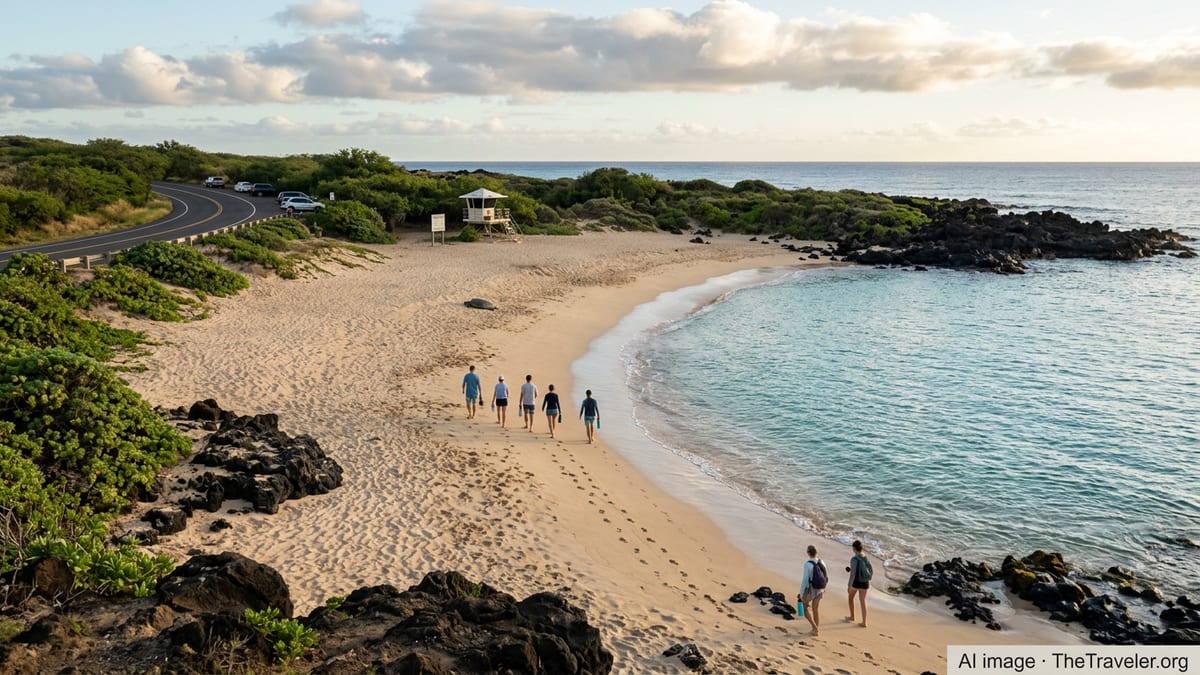
Ignoring That Hawaii Is a Real Place, Not a Theme Park
One of the most common mistakes visitors make is treating Hawaii as an all-inclusive resort playground rather than a complex island community. Behind the palm trees and ocean views are local families juggling high living costs, traffic, housing pressures, and the lingering impacts of wildfires and climate change. When travelers see only the vacation side of Hawaii, they can unintentionally behave in ways that add to local frustrations, from clogging residential streets with rental cars to turning quiet neighborhoods into extensions of the resort.
This mindset shows up in language too. Referring to the islands as a generic paradise without acknowledging Native Hawaiian culture or the history of the Hawaiian Kingdom can feel dismissive. It is helpful to remember that you are a guest in a place with its own sovereignty story, ongoing political debates, and a unique relationship to the United States. You do not need to be an expert to visit respectfully, but a little curiosity and humility go a long way.
Another aspect of this mistake is assuming that everything you see is a backdrop for your content. Filming strangers on the beach, blocking sidewalks for photos, or intruding on private property for a better view can cross serious boundaries. Ask before taking close-up photos of people, avoid filming children without permission, and treat homes, farms, and cultural sites as you would in your own community. Hawaii may look like a movie set, but the people who live there are not extras in a vacation story.
Visitors can counter this mindset by intentionally supporting local businesses beyond the major resort brands, learning a few Hawaiian words correctly, and approaching each island as a distinct place rather than interchangeable stops. When you arrive expecting to engage with a real culture and real challenges, you are far less likely to make the mistakes that locals have to quietly endure day after day.
Disregarding Cultural Protocols and Sacred Sites
Another major misstep in Hawaii is treating sacred or historic places as casual sightseeing stops. Heiau, ancient rock structures, fishponds, burial grounds, and certain summit and forest areas carry deep spiritual and cultural significance for Native Hawaiians. Visitors sometimes climb on lava rock walls, stack stones into new formations, sit or stand on altars, or wander off designated paths without realizing how disrespectful these actions are. Even when there are no fences or entrance fees, these are not open playgrounds.
It is also common, and widely criticized, for visitors to pocket lava rocks, sand, shells, or coral as souvenirs. Besides being illegal in many protected areas, this is considered bad luck in local stories and contributes to erosion and degradation. Park staff across the islands report getting boxes of rocks mailed back by visitors who believe their misfortune began after they removed something from the land. Leaving everything where you find it is both respectful and environmentally sound.
Failure to follow basic protocol at cultural sites can show up in smaller, but still meaningful, ways. Wearing revealing swimwear at a heiau, talking loudly over cultural practitioners, or ignoring signs that ask visitors not to enter certain areas can leave lasting negative impressions. In some locations, such as certain summit areas and valleys, Native Hawaiian organizations have asked visitors to reconsider whether they need to be there at all, especially when social media popularity has put intense pressure on those places.
When in doubt, read posted signs slowly, follow instructions from cultural practitioners and guides, and err on the side of understepping rather than overstepping. Choose reputable tour companies that center Native Hawaiian voices, ask about the history of the places you visit, and be willing to skip a site if those who steward it are asking for reduced traffic. Respect for sacred places is one of the clearest ways visitors can demonstrate genuine aloha.
Underestimating Ocean, Trail, and Volcano Dangers
Hawaii’s beauty can create a false sense of safety. Many visitors seriously underestimate how powerful the ocean is and how quickly conditions can change. A calm-looking beach in the morning can develop strong shorebreak or rip currents by afternoon. Popular spots that trend on social media often have hidden hazards such as slippery rocks, unexpected drop-offs, or waves that crash directly onto rock shelves. Locals and lifeguards routinely rescue visitors who ignored posted warnings or followed peers into situations they were not equipped to handle.
One common mistake is treating any picturesque cove or lava rock ledge as a place to jump into the water. Cliff-jumping, swimming near blowholes, standing close to the edge of rocky shorelines, or turning your back to the waves for photos can be life-threatening. Even strong swimmers can be knocked over by a single unexpected wave or dragged onto sharp lava. Ignoring flags, ignoring lifeguards, or swimming alone in unfamiliar conditions are all behaviors that put visitors at high risk.
On land, trails that appear in guidebooks or online posts may be more demanding than they seem. Hawaii’s combination of heat, humidity, elevation, and slick clay or roots can turn a short hike into a grueling climb. Visitors frequently underestimate water needs, hike in slippers rather than sturdy shoes, or attempt steep ridge trails in poor weather. Some popular hikes cross private or restricted land, or pass through areas that have seen serious accidents, rescues, and even fatalities. Choosing those routes anyway because they promise a “secret” view is a mistake that can come with real consequences.
Volcanic landscapes also pose unique risks. Steam vents, unstable lava rock, and thin crusts over hidden voids can all be dangerous. In certain areas it is illegal to walk on closed lava fields or cross safety barriers. Volcanic gas, which may be present even when there is no dramatic lava flow, can be harmful for people with respiratory or heart conditions. The safest approach is to stay on marked trails, heed all closures and ranger guidance, and resist pressure from social media or travel companions to push beyond your comfort level. Respecting the power of Hawaii’s natural environment is not about fear; it is about recognizing that the islands are alive, dynamic, and deserving of caution.
Breaking Environmental Rules: Sunscreen, Wildlife, and Waste
Hawaii’s ecosystems are exceptionally fragile, and many small visitor choices add up. One of the most widely discussed issues in recent years is sunscreen. The state restricts the sale of sunscreens containing certain chemicals that research has linked to coral stress and bleaching. Several counties, such as Maui, go further by promoting or requiring mineral-only formulas in some contexts. Visitors sometimes arrive with large bottles of their usual sunscreen, unaware that those products may not comply with local regulations or environmental guidance.
Beyond sunscreen, wildlife interactions are another area where mistakes are common and sometimes costly. Getting too close to sea turtles, monk seals, dolphins, or whales for photos is not only stressful for the animals, it can violate state and federal protections. On busy beaches, visitors may step over resting turtles, surround a seal for selfies, or follow spinner dolphins in kayaks or boats, disrupting their rest. The general guideline is to keep a generous distance on land and in the water, give animals a clear escape path, and zoom in with a camera rather than approaching in person.
Simple negligence with trash also takes a heavy toll. Leaving cigarette butts on the sand, dropping microplastics, or abandoning broken beach gear all contribute to pollution that is hard to remove. Strong trade winds can scatter lightweight items quickly into the ocean, where they become hazards for birds, fish, and marine mammals. On trails, food scraps can attract non-native pests and disrupt local species. Even if trash cans are full, pack out what you brought in and dispose of it back at your lodging.
Visitors can avoid these environmental mistakes by packing or purchasing mineral-based sunscreen labeled as compliant with Hawaii’s rules, using rash guards and hats to reduce the amount of lotion needed, and treating beaches and trails as you would a cherished park in your own city. Stay on marked paths to protect native plants, respect restoration projects, and support tour operators and activities that clearly explain how they minimize environmental impacts. The islands’ natural beauty is the backbone of their visitor economy; protecting it is a shared responsibility.
Overlooking Local Laws, Fees, and Housing Pressures
In recent years, Hawaii has introduced and updated several laws that directly affect visitors, particularly around accommodations and tourism fees. One mistake travelers make is booking the cheapest or most scenic vacation rental they can find online without checking whether it is legal under current regulations. Across the islands, short-term rentals are often limited to designated resort or visitor zones, and counties have gained more authority to phase out rentals in residential and agricultural areas. Some counties have adopted or are moving toward minimum rental periods in non-resort neighborhoods, especially on Oahu and Maui.
Booking an unpermitted rental can lead to last-minute cancellations, confusion at check-in, or being caught in the middle of enforcement efforts. It also contributes to the broader housing crisis, where local residents struggle to find long-term homes as more units convert to vacation use. Choosing accommodations that are clearly permitted within resort districts or established hotel areas helps reduce friction with neighbors and aligns your stay with local priorities. When in doubt, ask the host for permit or registration details and be wary if that information is vague or evasive.
Another area visitors often overlook is the cumulative cost of taxes and fees on lodging, rental cars, and activities. Hawaii’s transient accommodations tax, county lodging surcharges, and general excise tax can significantly increase the final price per night. In addition, the state has moved to direct some of this revenue, and in some cases new or higher taxes, toward climate resilience, beach restoration, wildfire response, and other environmental needs. Travelers who are not expecting these charges may feel blindsided, but they are a structural part of visiting and maintaining the islands.
Respecting quiet hours, parking rules, and neighborhood expectations is also critical. Using residential streets as free overflow parking for a nearby beach, leaving trash outside an unpermitted rental, or hosting large gatherings in a condo complex can quickly damage relations between residents and visitors. Assume that if you would not do it in your own apartment building or neighborhood, you should not do it in Hawaii. Understanding the local legal and social landscape will not only protect your plans, it will also help ensure your visit supports rather than strains the communities you are entering.
Being Culturally Insensitive or Using Stereotypes
Many visitors arrive in Hawaii with images formed by movies, advertisements, and resort marketing. These sources often lean on caricatures, from hula dancers and tiki bars to simplified uses of the word “aloha.” A common mistake is to carry those stereotypes into interactions with real people. Making jokes about grass skirts, asking invasive questions about someone’s ethnicity, or assuming every local person is there to serve tourists can feel dehumanizing and exhausting for residents who encounter such behavior daily.
Language use is one of the most visible areas where mistakes show up. Visitors may mispronounce Hawaiian place names, use Hawaiian words as costume labels or party themes, or treat the language as a novelty rather than a living, revitalized tongue. While no one expects flawless pronunciation from newcomers, making a sincere effort, listening carefully when locals say names, and avoiding mocking or exaggerated imitations are simple ways to show respect. Similarly, using cultural symbols like lei, hula, or traditional tattoos as casual props or party decorations without understanding their meaning can cross into appropriation.
Another misstep is assuming that everyone you meet identifies as “Hawaiian” or that the term simply means “a person who lives in Hawaii.” In local usage, “Hawaiian” specifically refers to people of Native Hawaiian ancestry. Residents who are from Hawaii but of other backgrounds may identify as local, kamaaina, or by their specific heritage. Taking a moment to notice how people describe themselves and following their lead is a small but meaningful sign of cultural awareness.
To avoid these pitfalls, approach conversations with humility and curiosity. Ask thoughtful questions, listen more than you speak, and support businesses, tours, and experiences that clearly center Native Hawaiian and local voices rather than treating culture as entertainment. When you receive a lei, learn the simple etiquette of how to accept and wear it. When you attend a cultural event, remember you are a guest in a living practice, not an audience at a theme show. Small choices in how you speak and behave can transform your visit from surface-level consumption to genuine connection.
Planning Poorly and Overpacking Your Itinerary
A different, but still significant, mistake is trying to fit too much into a single trip. It is tempting to plan multiple islands in a short stay, jam-packed with sunrise hikes, snorkel tours, long drives, and restaurant reservations. This pace can quickly lead to exhaustion and frustration, especially when inter-island flights, traffic, and island-specific conditions are factored in. Visitors often underestimate driving times, forget about rush-hour congestion around Honolulu or resort corridors, and assume every day will go exactly according to schedule.
Poor planning can also lead to disappointment at popular attractions that now require reservations or have capacity limits. Some marine preserves, summit areas, and culturally sensitive sites use online booking systems and fixed entry windows to protect resources and manage crowds. Arriving without a reservation or misunderstanding the time slot can mean being turned away, even after a long drive. Similarly, last-minute scrambling to secure restaurant tables or tours can mean higher prices, limited options, and more stress.
Overpacked itineraries leave little room for rest or for responding to weather changes, ocean conditions, or your own energy. Heavy rain, high surf advisories, or wildfire-related closures can reshape what is safe or available on any given day. Without flexibility, some travelers feel pushed to attempt risky hikes or ocean activities just to “get their money’s worth,” which is precisely when accidents happen. Building in buffer days, accepting that you cannot see everything in one visit, and choosing depth over quantity will result in a richer, safer trip.
A more sustainable approach is to focus on one or two islands, prioritize a few key experiences, and leave open time for serendipity. Allow for early nights and slow mornings, especially if you are changing time zones. Check official sources for reservation requirements and closures well before you travel, and verify details again closer to your dates. In Hawaii, moving at a slightly slower pace not only aligns better with local rhythms, it also allows you to notice the small moments that make the islands unforgettable.
The Takeaway
Hawaii’s popularity as a vacation destination means that the same mistakes repeat year after year: visitors ignore warnings, disrespect sacred places, treat neighborhoods like resort extensions, and underestimate both the power and vulnerability of the islands. Yet these patterns are not inevitable. With a bit of research, humility, and flexibility, travelers can avoid the behaviors that frustrate residents and endanger themselves, while still enjoying the full beauty of the islands.
At its heart, traveling well in Hawaii comes down to three commitments. First, recognize that you are entering a real community with a deep Indigenous culture, not a themed resort. Second, treat the environment as delicately as the photos make it look, from coral reefs and wildlife to forests and volcanic landscapes. Third, honor the laws, protocols, and unspoken norms that locals live with every day. When visitors embrace these principles, they help ensure that Hawaii remains not just a destination to be consumed, but a place where both residents and guests can thrive.
FAQ
Q1. Do I really need reef-conscious sunscreen in Hawaii, or can I bring my usual brand?
Many common sunscreens contain ingredients that Hawaii has chosen to restrict or strongly discourage because of their impact on coral reefs. While enforcement often focuses on what can be sold in the state, choosing mineral-based options with zinc oxide or titanium dioxide and pairing them with sun-protective clothing is the most responsible approach.
Q2. Is it illegal to take lava rocks, sand, or shells home from Hawaii?
In many parks, beaches, and protected areas, removing natural materials is prohibited, and even where it is technically allowed, it is strongly discouraged. Taking lava rock and sand is also considered culturally disrespectful and associated with bad luck in local stories, so it is best to leave everything where you find it.
Q3. How close can I get to sea turtles and monk seals on the beach?
Hawaii and federal guidelines emphasize giving marine animals plenty of space, both for your safety and theirs. Stay well back from turtles and seals, avoid blocking their path to or from the water, and use your camera’s zoom instead of approaching, especially when other visitors begin crowding around.
Q4. Are all hikes I see on social media legal and safe to do?
No. Some popular online locations cross private land, pass through areas that have seen serious accidents, or are subject to closures or access disputes. Always verify a hike through up-to-date, official or well-established local sources, respect warning signs and barriers, and choose routes that match your fitness and experience.
Q5. How can I tell if a vacation rental is legal in Hawaii?
Short-term rental rules vary by island and are frequently updated, often limiting rentals to specific resort or visitor zones. Ask hosts for permit or registration information, be cautious about rentals in quiet residential or agricultural areas, and consider staying in established hotels or clearly permitted resort condos to avoid surprises.
Q6. Is it disrespectful to call anyone from the islands “Hawaiian”?
In local usage, “Hawaiian” generally refers to people of Native Hawaiian ancestry, while many other residents may identify as local or kamaaina. If you are unsure, it is polite to say “people in Hawaii” or to follow how individuals describe themselves instead of assuming.
Q7. Do I need reservations for popular beaches and attractions?
Some high-demand sites, including certain marine preserves and state or county parks, use timed reservations or daily capacity limits. Requirements can change, so check official information before your trip and again shortly before your visit, and build flexibility into your schedule in case a preferred time is unavailable.
Q8. Is it safe to swim anywhere as long as the water looks calm?
Even apparently gentle surf can hide strong currents, shorebreak, or sudden changes in depth. Always observe warning flags and signs, listen to lifeguards, ask locals about conditions, and avoid swimming alone or in unfamiliar areas without lifeguard coverage, especially if there are high surf or strong current advisories.
Q9. How can I show respect at sacred or historic Hawaiian sites?
Stay on marked paths, read and follow posted signs, avoid climbing on rock structures or walls, and do not remove stones, plants, or offerings. Dress modestly, keep noise levels low, and listen to cultural practitioners or guides who may share protocols about where to stand, when to speak, or when it is more appropriate simply to observe.
Q10. What is the best way to avoid irritating local residents during my stay?
Choose legal accommodations, follow parking and quiet-hour rules, pack out your trash, drive patiently, and avoid treating residential streets as overflow resort space. Be courteous in shops and restaurants, support local businesses when you can, and remember that for most people around you, Hawaii is home first and vacation destination second.