

Moose Jaw may look like a small prairie city on the map, but it delivers an outsized mix of spa culture, quirky history, aviation pride, and classic Saskatchewan winter weather. That mix is exactly why many first-time visitors arrive unprepared. From underestimating how cold it can feel on a January evening, to confusing the air base with the municipal airport, there are a handful of recurring missteps that can turn an otherwise charming getaway into a stressful one. With a bit of planning and realistic expectations, you can avoid the most common mistakes and experience Moose Jaw at its best in any season.
Overlooking Moose Jaw’s Prairie Climate and Seasonal Extremes
One of the biggest mistakes visitors make is assuming that Moose Jaw’s weather will be similar to larger Canadian cities they may know, such as Vancouver or Toronto. Moose Jaw sits on the open Prairies, which means winter cold can be sharper, wind can be stronger, and summer heat can feel intense in the sunshine. Temperatures can swing quickly at any time of year, and even in spring or fall, evenings may be far chillier than expected. Visitors who arrive with only light jackets or without proper footwear often find themselves cutting outdoor time short or racing between indoor attractions simply to warm up.
Winter in Moose Jaw can bring bitter windchill, icy sidewalks, and blowing snow that significantly reduces visibility on surrounding highways. Local authorities frequently remind drivers that posted speed limits apply only in ideal conditions and should be lowered when snow, ice, or drifting snow are present. The Highway Hotline for Saskatchewan regularly posts advisories when travel is not recommended on the major routes around the city because of drifting and poor visibility. Arriving in town late at night without checking conditions, especially between November and March, can be an unpleasant surprise.
Summer visitors sometimes make the opposite mistake by assuming that being in Saskatchewan guarantees a mild escape from heat. On clear days, the sun can be strong and there is often limited shade on streets and in open spaces like parking lots, festival grounds, or near Mac the Moose. Without sunscreen, a hat, and water, it is easy to get dehydrated or sunburned while exploring murals or waiting in line for tours. Planning your sightseeing early in the morning or later in the afternoon, and building in breaks at cafés or your hotel, can make a big difference in comfort.
The key to avoiding climate-related headaches is to prepare for variety. Packing layers, a warm hat and gloves for shoulder seasons, sturdy boots with grip in winter, and a light windproof jacket year-round will allow you to stay outside longer. Checking local forecasts and highway conditions the day before you travel, then again on the morning of your drive, will help you decide whether to slow down, change your timing, or in rare cases postpone your arrival. Being realistic about Prairie weather is one of the simplest ways to keep your Moose Jaw visit enjoyable.
Underestimating Winter Driving and Urban Conditions
Another frequent miscalculation is underestimating how challenging winter driving in and around Moose Jaw can be, especially for visitors unfamiliar with Prairie roads. Many people assume that a car fitted with all-season tires will be sufficient, only to discover that snow and ice dramatically lengthen stopping distances. Traffic officers and local safety campaigns repeatedly stress the benefits of dedicated winter tires for grip and braking on frozen pavement and at icy intersections. Without them, even short drives across town or out to nearby attractions can feel tense, particularly during freeze-and-thaw cycles that create smooth, nearly invisible ice at intersections and on bridges.
Visitors also sometimes rely too strongly on cruise control on partially cleared highways or on roads with drifting snow. Local driving guidance emphasizes that cruise control should be avoided in slippery conditions because spinning wheels can cause a loss of control. It is safer to keep speeds well below the posted limits, increase following distance, and accelerate and brake gradually. Intersections in Moose Jaw are known for becoming especially slick because of repeated stopping and starting, so leaving more room to slow down is essential. In town, doubling your following distance and driving calmly will help you respond to other drivers who may also be struggling with the conditions.
In more remote stretches around Moose Jaw, it is a mistake to travel without basic winter emergency supplies in your vehicle. Local authorities and automotive services across Saskatchewan routinely recommend carrying a snow brush, ice scraper, folding shovel, booster cables, flashlight, warm blankets, and extra clothing such as hats and gloves. Some also suggest packing non-perishable snacks, water, and a small first aid kit. Sudden storms can close highways or force drivers to wait for tow trucks, and having these items on hand can make an extended delay safer and considerably less stressful.
Even if you are flying in and renting a car, ask the rental agency about winter tires and confirm whether the vehicle has been prepared for the season. Before each outing, clear all snow from your windows, lights, and roof to maintain visibility. It is also important not to abandon your vehicle if you slide off the road in a rural area. Local driving advice emphasizes that it is safer to remain in or near your vehicle, run the engine periodically for heat if the exhaust pipe is clear of snow, and wait for assistance rather than walking into blowing snow or darkness. Taking winter driving in Moose Jaw seriously allows you to spend your time enjoying the city instead of worrying about the next trip down the highway.
Mismanaging Time at Key Attractions and Downtown
Moose Jaw’s main attractions are closer together than in many cities, which leads some visitors to underestimate how much time they actually need. The Tunnels of Moose Jaw, with their guided theatrical tours, often require advance booking during weekends and peak travel weeks. Assuming you can simply walk in at any time may lead to disappointment or long waits between scheduled tours. Similarly, Temple Gardens Mineral Spa, one of the city’s most popular draws, can be busy in the evenings and on holidays. Arriving without a plan for pool access, spa appointments, or dining reservations sometimes results in shorter soaks than visitors imagined or difficulty finding meal times that fit their schedule.
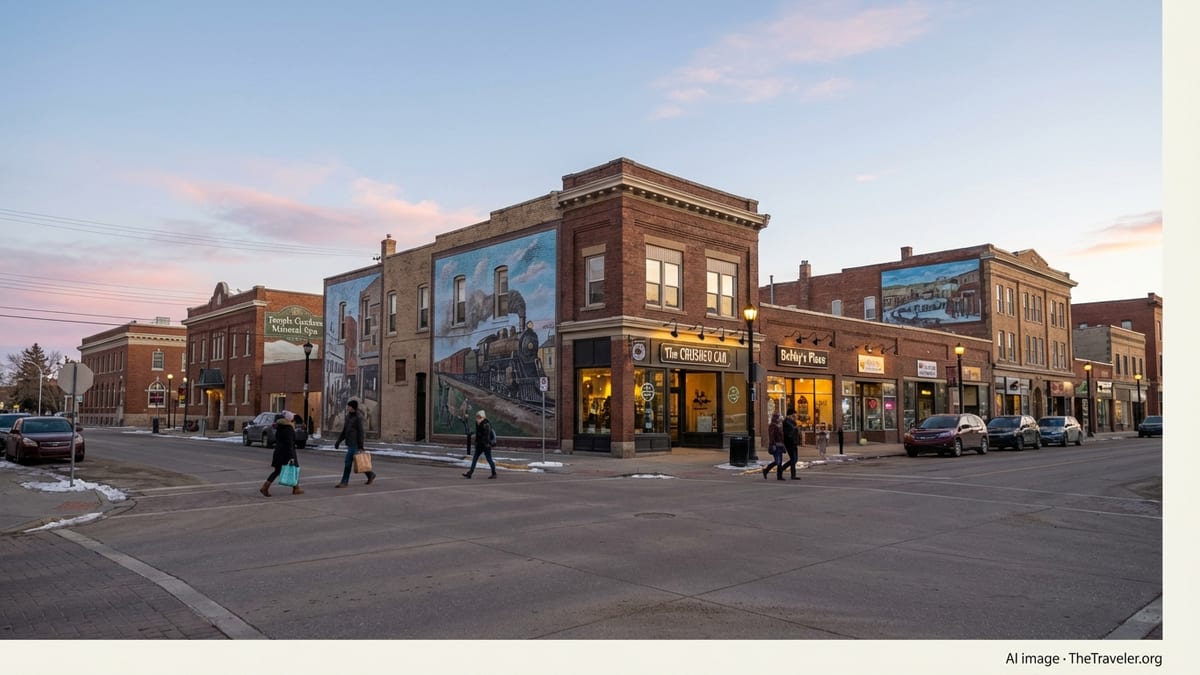
Another mistake is rushing through downtown and treating it like a quick stop instead of a place to linger. The compact core is lined with large outdoor murals, local shops, and independent cafés that reward slow exploration. Many travelers park near a single attraction, such as the spa or a tunnel entrance, and then drive to the next spot instead of walking a few blocks through the historic streets. As a result, they miss the gradual discovery of public art, architectural details, and small businesses that are part of Moose Jaw’s character. Planning at least half a day to walk downtown, darting in and out of shops and photo spots, will provide a richer sense of the city than a single rushed hour.
Parking is generally easier in Moose Jaw than in larger cities, but it is still possible to misjudge where and when to leave your vehicle. Some visitors assume that everything is free and unlimited, only to encounter time restrictions or busier on-street spots near popular locations during festivals or on summer weekends. It is worth reading signs carefully, using municipal lots if you plan to spend several hours downtown, and considering whether you actually need to move your car between stops. For attractions that are only a few blocks apart, walking is usually faster than re-parking, especially when streets are busy.
To make the most of your time, build some flexibility into your day instead of scheduling activities back to back with no buffer. Leave space for coffee breaks and spontaneous detours, and consider visiting the most popular sites early in the morning or later in the evening. Checking opening hours, seasonal schedules, and whether pre-booking is recommended before you arrive will help prevent rushed visits or missed experiences. Treating Moose Jaw like a place to wander rather than a checklist to finish quickly is the best way to appreciate its atmosphere.
Confusing the Air Base, Municipal Airport, and Air Shows
Moose Jaw’s relationship with aviation is a major part of its identity, but newcomers sometimes find the details confusing. The city is home to 15 Wing Moose Jaw, a Canadian Forces base that trains pilots and houses the famous Snowbirds aerobatic team, as well as a separate municipal airport that hosts some public events and air shows. A common mistake is assuming that any Snowbirds performance or air show automatically takes place at the military base. Recent homecoming events for the team have been held at the municipal airport, located east of the city, not at 15 Wing to the south. Visitors who drive to the wrong location risk long traffic lineups and, in some cases, seeing very little of the actual performance.
Another misstep is underestimating the logistics of attending an air show or Snowbirds event. These shows often draw a high proportion of visitors from outside Moose Jaw, and even modest events can bring hundreds of vehicles to rural roads and parking fields. Reviews and local commentary frequently mention long waits for washrooms and food vendors, limited shade in open viewing areas, and slow traffic both before and after displays. Arriving just before showtime, or assuming you can park casually along a busy highway shoulder, can lead to safety issues and frustration for you and others.
To avoid these problems, pay close attention to event details regarding location and parking, especially in the year you plan to visit. Organizers sometimes use pre-sold parking passes or vehicle tickets, and certain lots may sell out in advance. It is wise to arrive early, bring water, sun protection, and simple snacks, and be prepared for significant time on your feet. If you are traveling with children, planning quiet breaks away from the busiest crowd zones can make the day more enjoyable. Remember that air show schedules can be affected by weather or operational needs, so maintaining some flexibility in your expectations will help you appreciate the experience even if the program changes.
For aviation enthusiasts who cannot attend a live show, or who prefer a quieter setting, Moose Jaw’s Western Development Museum includes exhibits that celebrate the region’s aviation history. Visiting the museum at your own pace can be less demanding than navigating an outdoor air show, particularly for travelers who are sensitive to heat, noise, or large crowds. Understanding the difference between the base, the municipal airport, and aviation-themed attractions in town before you arrive will help you plan an experience that matches your interests and comfort level.
Skipping Local Culture, Nature, and Everyday Prairie Life
Because Moose Jaw is widely marketed for its tunnels, spa, and a handful of famous landmarks, some visitors treat it as a one- or two-stop excursion and overlook the broader experience of the city and surrounding landscape. Arriving, soaking once at Temple Gardens, and leaving without exploring Wakamow Valley, the murals, or neighborhoods beyond the most obvious tourist zones is a missed opportunity. Tourism materials highlight that the city’s character comes from its blend of history, public art, small businesses, and access to the river valley, not just a single attraction.
One error is assuming that Prairie cities lack walkable green spaces or scenic views. In reality, Wakamow Valley offers riverfront paths, picnic areas, and, in warm months, opportunities for activities like cycling or paddling. Visitors who skip it because they plan their days exclusively around built attractions often leave with the impression that Moose Jaw is mostly streets and parking lots. Even a short walk along the river or a picnic with takeaway food from a local café can change that perception and provide a sense of how residents enjoy their own city in everyday life.
Another oversight is failing to seek out local recommendations. Moose Jaw has its share of chain restaurants and familiar brands, and many travelers default to these because they are easy. Yet the city’s independent cafés, bakeries, and restaurants are where you are most likely to encounter local flavors, meet residents, and hear real stories about the community. Staff at the tourism office, hotel front desks, and museum receptions can often point you toward their favorite lunch spots or less-publicized viewpoints, murals, or events. Avoiding that conversation, or relying solely on generic search results, tends to funnel visitors to the same few places and leaves the rest of the city somewhat invisible.
Finally, some travelers underestimate how much they might enjoy simply slowing down. Moose Jaw does not demand a frantic pace; it rewards those who give it time. Building in unscheduled hours for wandering, coffee, and people-watching in the downtown area will let you notice details that do not appear on attraction lists. Whether you pause to watch a freight train roll past the edge of town, listen to stories on the vintage trolley, or stop for an impromptu mural photo, you will likely leave with a deeper appreciation for Prairie life than if you simply tick off the headliners.
Poor Packing and Health Preparation for a Small Prairie City
Travelers often assume that because Moose Jaw is a small city, they will be able to purchase anything they forgot without difficulty. While there are major retailers and pharmacies, this assumption can still lead to inconvenience and unnecessary expense. In winter, lacking proper boots with good traction, a warm hat, gloves, or thermal layers may force you to spend both time and money on emergency shopping instead of enjoying your plans. In summer, forgetting sunscreen, a refillable water bottle, or a light long-sleeved layer for sun protection can make long walks less comfortable and outdoor events more tiring than expected.
Health preparation is another area where visitors sometimes cut corners. Moose Jaw’s mineral spa and other wellness offerings invite long soaks and relaxation, but they can also lead to dehydration if you have not been drinking enough water, especially after a long drive. Taking breaks between hot pool sessions and alternating with cool water or non-alcoholic drinks will help you feel better the next day. Those with medical conditions should review spa guidelines ahead of time and, if necessary, consult their health providers before using very hot pools or saunas.
Medication planning is particularly important in winter, when storms can disrupt travel. If you are driving across the Prairies to Moose Jaw, bring more prescription medication than you expect to need in case you are delayed by highway closures or airline changes. Carrying a small travel health kit with pain relievers, basic bandages, any necessary allergy medication, and hand sanitizer can also save you time searching for a pharmacy if stores close early on a holiday or if weather limits your ability to get around town comfortably.
Finally, it is unwise to rely on constantly strong mobile data coverage in rural stretches around Moose Jaw. While the city itself is well served, some highways and backroads can have patchy service. Downloading key maps for offline use, saving the phone numbers for your accommodation and local roadside assistance, and keeping a car charger or battery pack handy will reduce stress if your travel day takes longer than planned. Being conscientious about packing and basic health prep makes it easier to say yes to spontaneous activities once you are in town.
The Takeaway
Visiting Moose Jaw offers a chance to experience a distinctive blend of Prairie landscape, spa indulgence, aviation history, and local storytelling. The city is welcoming and manageable, but it is not a place to arrive blindly. The most common visitor missteps involve underestimating the climate and winter driving conditions, compressing sightseeing into rushed checklists, misunderstanding air show logistics, and skimming past local culture and nature in search of only the most publicized attractions. With realistic expectations and a bit of thoughtful planning, these are all easy to avoid.
By preparing for temperature swings, giving yourself generous travel and walking time, confirming key details such as event locations and opening hours, and seeking out local advice, you can turn a simple stop in Moose Jaw into a rich, relaxed visit. Whether you are soaking in mineral waters, gazing up at the Snowbirds, or strolling past colorful murals downtown, the city rewards curiosity and patience. Approach Moose Jaw as more than a quick detour on the highway, and you are far more likely to leave with warm memories, even if the Prairie wind outside is cold.
FAQ
Q1. When is the best time of year to visit Moose Jaw?
The best time depends on your interests. Summer brings festivals, patio weather, and easier driving, while winter offers a quieter atmosphere and cozy spa experiences if you are prepared for cold and snow.
Q2. Do I really need winter tires to drive to Moose Jaw in colder months?
Winter tires are strongly recommended if you plan to drive between November and March, because they provide better grip and shorter stopping distances on snow and ice than all-season tires.
Q3. How many days should I plan for a first visit?
Most first-time visitors enjoy spending at least two full days, which allows time for the tunnels, the spa, downtown murals, and a relaxed visit to Wakamow Valley or a museum.
Q4. Is Moose Jaw walkable for getting between major attractions?
The central area is quite walkable, especially between Temple Gardens, the tunnels, murals, and many shops and cafés. However, you will still want a vehicle or taxi for outlying sites like the municipal airport or Mac the Moose roadside area.
Q5. How can I avoid crowds at the Tunnels of Moose Jaw and the spa?
Booking tunnel tours in advance, visiting on weekdays when possible, and choosing early morning or later evening spa sessions can help you avoid peak crowds and long waits.
Q6. What should I wear in winter for walking around town?
In winter, plan for insulated boots with good traction, a warm coat, hat, gloves, and layers you can adjust indoors. Even short walks between attractions can feel very cold when the wind picks up.
Q7. Are air shows and Snowbirds performances held at the air base?
Not always. Recent events have sometimes been held at the municipal airport rather than the military base, so always check the specific location and parking details for the year you plan to attend.
Q8. Can I see Moose Jaw’s murals and main sights without a guided tour?
Yes, you can explore many murals, downtown streets, and river valley viewpoints on your own, but guided experiences such as trolley tours and tunnel tours add context and stories you might otherwise miss.
Q9. How should I prepare for highway driving into Moose Jaw in bad weather?
Check the latest highway conditions before departure, slow down below posted limits in snow and ice, carry an emergency winter kit in your vehicle, and be ready to delay travel if authorities say conditions are unsafe.
Q10. Is Moose Jaw suitable for a family trip with children?
Yes, Moose Jaw works well for families, especially if you mix shorter activities like mural spotting and park visits with kid-friendly attractions and plan regular breaks for snacks, warmth, and rest.