

Connecticut and Massachusetts sit side by side in southern New England, sharing a coastline, four dramatic seasons, and a deep Revolutionary history. Yet for travelers, they offer very different experiences. One leans toward small-town charm and quieter shoreline escapes, the other toward world-famous cities, blockbuster attractions, and big-name festivals. Choosing between them depends less on which state is objectively better and more on what kind of trip you want. Here is how they compare, category by category, to help you decide where to spend your limited vacation days.
First Impressions: Two Very Different New England Vibes
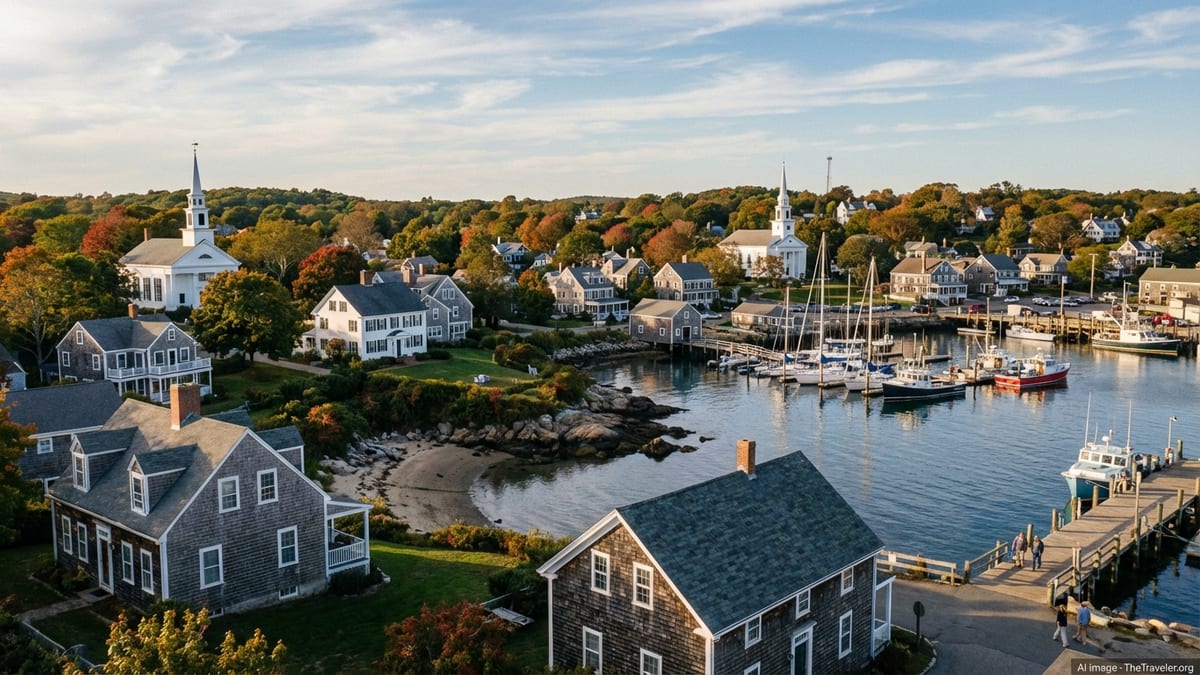
Connecticut often feels like New England in miniature. It has a relatively short but pleasingly varied coastline on Long Island Sound, a rolling, rural northwest corner with covered bridges and handsome colonial towns, and a string of compact cities that mix historic architecture with a modern arts and dining scene. Distances are short and nothing feels overwhelming, which appeals to travelers who like to road trip, wander small main streets, and balance low-key outdoor time with good food and wine.
Massachusetts, by contrast, has a big-stage energy. Boston anchors the state as a major destination in its own right, with famous universities, pro sports, museums, and dense, walkable neighborhoods. Beyond the capital are globally known vacation regions: Cape Cod and the islands, the Berkshire hills in the west, and a north shore full of fishing towns and literary landmarks. The state is layered with sites tied to early American history, maritime heritage, and contemporary culture, and it tends to feel busier and more international than its smaller neighbor.
Travel logistics are also different. Connecticut is crisscrossed by major interstates and rail lines linking New York and Boston, which makes it easy to visit as a stop on a larger New England loop or a quieter alternative to the big cities. Massachusetts is more of a primary destination: many travelers fly straight into Boston or Providence and then fan out to Cape Cod, the islands, or the Berkshires. In practice, the two states complement each other, and many visitors will experience both on the same trip.
The decision point usually comes down to pace and priority. If you want waterfront inns, wineries, relaxed drives, and villages that feel like movie sets, Connecticut will suit you. If you are after must-see museums, iconic American history, and coastal landscapes that you will recognize from films and novels, Massachusetts easily wins.
Coastlines, Islands, and Beach Time
Both states offer salt air and sea views, but the feel of their coastlines differs. Connecticut’s shore along Long Island Sound is gentler, with smaller waves and a more sheltered feel. It is lined with classic New England towns like Mystic, Stonington, Old Saybrook, and Guilford, where town greens, white churches, and historic homes sit a short walk from marinas and modest sandy beaches. Travelers tend to come here for sailing, seafood shacks, coastal walks, and evenings spent on an inn’s porch rather than for surfing or dramatic surf pounded vistas.
Massachusetts stretches from Buzzards Bay along Cape Cod to the North Shore and out to famous islands like Martha’s Vineyard and Nantucket. Here, the Atlantic feels much more present. Cape Cod’s outer arm has long swathes of dune-backed sand and preserved shoreline, and the islands mix shingled cottages, lighthouses, and scenic bike paths with high-season crowds. The north shore brings rocky cliffs, harbors like Gloucester and Rockport, and a more rugged maritime character. For many travelers, Massachusetts is the stronger choice if a beach vacation is the main focus, simply because the options are broader and more varied.
Connecticut’s coastal advantage is accessibility and calm. Many towns are a simple train ride from New York City, and the beaches are family friendly, with generally milder surf and a lower-key atmosphere. Destinations like Mystic combine waterfront scenery with big draws such as the Mystic Seaport Museum and a well-preserved historic district, making them easy long-weekend picks. For travelers who like their seaside time blended with history, small shops, and good dining in a compact area, Connecticut’s shoreline works beautifully.
In Massachusetts, peak summer on the coast is lively and can be intense. Traffic onto and off Cape Cod slows significantly in high season, ferries to Martha’s Vineyard and Nantucket book up early, and lodging prices can climb quickly. In return, you get classic dune landscapes, more expansive beaches, whale-watching trips, and a buzzing seasonal scene with concerts, festivals, and busy waterfront promenades. If you are willing to plan ahead and manage crowds, Massachusetts offers the more dramatic coastal experience.
Cities, Culture, and Nightlife
For urban travelers, Massachusetts holds the clear headline act in Boston. The city combines a deep colonial past with a contemporary skyline, major universities, and a sophisticated cultural calendar. Visitors can walk the Freedom Trail, catch a game at Fenway Park, and then spend evenings in neighborhoods like the South End or North End, known respectively for fine dining and Italian eateries. The city’s museums, from fine arts to science, are world class, and its music and theater scenes are robust, particularly in spring and fall.
Boston’s influence spills over into surrounding communities such as Cambridge and Somerville, which offer their own restaurant clusters, indie music venues, and festivals. In summer, the waterfront and harbor islands become playgrounds, with boat trips, outdoor concerts, and public events adding to the mix. This intensity of culture and nightlife is hard to match anywhere else in New England, and it is a major reason many travelers anchor a Massachusetts trip around Boston, even if they plan to continue on to Cape Cod or the Berkshires.
Connecticut’s cities are smaller and less internationally known, but they can surprise travelers who give them time. New Haven has a compact downtown wrapped around the campus of Yale University, with an impressive art museum, architecture tours, and a now-famous pizza scene that draws food lovers from around the region. Hartford mixes historic homes tied to figures like Mark Twain and Harriet Beecher Stowe with a growing restaurant and brewery scene, while cities such as Stamford and Norwalk function as lively commuter hubs with waterfront parks, marinas, and nightlife tailored to locals as much as visitors.
In general, Connecticut’s cities tend to appeal to travelers who enjoy university towns, local performance venues, and discovering under-the-radar restaurants rather than ticking off big-name museums and attractions. Nightlife is more scattered and modest compared with Boston, but that can work in the traveler’s favor. Hotel rates are often lower, parking is easier, and it is possible to combine evenings in town with days spent on hiking trails or by the water with minimal transit time.
Landscapes, Seasons, and Outdoor Adventure
New England’s four seasons are a major part of its draw, and both states deliver vivid foliage, snowy winters, and lush springs. Massachusetts has more pronounced geographic variety. In the west, the Berkshire Mountains offer rolling hills, state forests, and ski areas, along with charming cultural towns like Lenox and Stockbridge. Travelers can hike ridgelines, paddle quiet lakes, and then attend concerts and performances in the same weekend. Central Massachusetts has rural byways, orchards, and hiking preserves, while the coast serves up sandy beaches, salt marshes, and whale-watching opportunities.
Connecticut’s landscapes feel more intimate and less grand, but they are no less appealing. The northwest corner of the state, especially around towns like Litchfield, Kent, and Cornwall, has become known as a quieter alternative to the Berkshires, with forested hills, river valleys, and historic farms that turn striking shades of red and gold in autumn. Travelers come for day hikes to overlooks, scenic drives along river roads, waterfall walks, and evenings in small inns. Along the coast, state parks offer a mix of shoreline trails, birdwatching, and gentle biking routes, ideal for travelers who prefer easy-going nature time over strenuous mountain treks.
For active travelers, Massachusetts provides a broader menu of options that includes larger ski areas, more extensive trail systems in the Berkshires, and significant coastal recreation such as surfing on the outer Cape or sea kayaking along rugged shorelines. Massachusetts also plays host to big seasonal events tied to its landscapes, from harvest festivals in the west to high-profile summer and fall events on Cape Cod and the islands.
Connecticut is better suited to those who appreciate shorter drives between landscapes and a slower pace outdoors. You can reasonably wake in a countryside B&B, spend midday on a coastal boardwalk, and be back in a small city for dinner, all without long highway stretches. If you are a traveler who wants nature woven gently into a broader itinerary of food, wine, and small-town exploring, Connecticut’s scale and mix of environments are a plus.
History, Heritage, and Learning Travel
Both states play outsized roles in early American history, but Massachusetts holds the higher profile. Boston’s Freedom Trail, Lexington and Concord, and the living history experiences around Plymouth form the backbone of many history-focused itineraries. These sites are investing heavily in new exhibits, reenactments, and educational programs as the United States approaches the 250th anniversary of its independence, and the state is preparing a multi-year series of special events and commemorations. For travelers, that means more tours, interpretive programs, and themed festivals focused on the Revolutionary period.
Massachusetts overlays that early history with later cultural and literary heritage. The Berkshires are dotted with historic homes of writers and artists, Cape Ann and Salem have deep maritime and trading histories, and cities host museums that interpret immigration, industry, and civil rights. This density of sites makes Massachusetts a natural classroom for families, students, and curious adults who want to link their travels with what they have read or studied.
Connecticut’s historical story is quieter but surprisingly rich when you start looking closely. Along the coast, port towns preserve ship captains’ houses, lighthouses, and maritime museums that tell the story of New England trade and seafaring. Inland, village greens are framed by colonial churches and houses that date back centuries. The state also has important sites tied to early industry, from textile mills to brass factories, and museums that interpret the development of everything from clocks to firearms.
Where Massachusetts might offer a more structured, headline-friendly roster of historic attractions, Connecticut often rewards independent travelers who enjoy exploring smaller, less crowded museums and historic districts. Walking tours led by local guides, seasonal house museum openings, and community festivals centered on traditional crafts or local history can feel particularly authentic. If your idea of heritage travel involves deep dives into a smaller area rather than racing between famous sites, Connecticut can be a strong choice.
Food, Drink, and Local Flavor
New England’s food reputation is anchored in seafood, farm produce, and comfort dishes, and both states embrace that identity in their own ways. Massachusetts benefits from the scale and visibility of Boston’s dining scene, which ranges from classic clam shacks and Italian restaurants in the North End to contemporary tasting menu spots that draw national attention. Across the state, coastal towns specialize in chowder, lobster rolls, and fresh-caught fish, while inland communities showcase farm-to-table menus built around seasonal ingredients.
Cities like Boston and Cambridge are also hubs for creative global cooking, thanks in part to large student populations and diverse immigrant communities. Travelers can spend days exploring everything from Vietnamese and Caribbean cooking to modern vegetarian and natural wine bars. For many food-focused visitors, this variety, combined with easy access to fresh seafood, makes Massachusetts a compelling destination.
Connecticut’s culinary reputation has risen quietly, anchored by its now-famous regional pizza styles and a growing network of craft breweries and wineries. New Haven draws pizza enthusiasts eager to compare wood-fired pies from long-established pizzerias, while shoreline towns offer excellent lobster rolls, oysters, and seasonal seafood in settings that feel more low-key than many Massachusetts resorts. Inland, farm stands, cider mills, and small-town bakeries give road trips a tasty rhythm, especially in autumn.
Drinks tourism is also developing in interesting ways. Both states have wine trails and craft beer routes, but Connecticut’s smaller size makes it relatively easy to string together multiple vineyards or breweries in a single day of leisurely touring, often with scenic backroads connecting them. Massachusetts has a wider range overall, including urban taprooms and distilleries in Boston and Worcester, but you may need more driving and planning to sample them.
Costs, Crowds, and Practical Planning
Budget and crowd tolerance are practical filters for many travelers. In high summer and at peak foliage times, both Connecticut and Massachusetts see prices rise and popular spots fill, but the patterns are somewhat different. Massachusetts, especially in destinations like Boston, Cape Cod, Martha’s Vineyard, and Nantucket, can become quite expensive in July and August. Hotel rates surge, restaurant reservations become necessary, and parking can be challenging. Shoulder seasons in late spring and early fall often offer better value while still delivering pleasant weather.
Connecticut, while not a budget destination, tends to be a bit gentler on the wallet, particularly outside a handful of very upscale rural inns and shoreline resorts. Because its destinations are somewhat less famous internationally, demand spreads out more evenly. Weekends in autumn can still be busy in foliage hotspots, and summer brings crowds to popular beaches and attractions, but overall the pressure on infrastructure is lighter. Travelers who are flexible on dates and aim for midweek stays often find attractive deals.
Transportation is another differentiator. Massachusetts has a major international airport in Boston, extensive regional rail connections, and a public transit system that makes it relatively simple to enjoy an entirely car-free city break. Ferries, seasonal shuttles, and tour operators help connect visitors to coastal destinations without always needing a personal vehicle. For exploring the Berkshires or Cape Cod beyond main towns, however, renting a car remains useful.
Connecticut is easier to navigate by car, especially for those arriving from nearby states. Interstate highways run east west and north south through the state, and smaller scenic roads link coastal and inland regions. Rail service along the shoreline connects major towns, but many rural attractions are best reached by car. For travelers who like to improvise their itineraries, stop at farm stands and viewpoints, and detour on the fly, Connecticut offers a comfortable driving environment with shorter overall distances.
The Takeaway
Choosing between Connecticut and Massachusetts is less about declaring a winner and more about matching the mood of your trip. Massachusetts is the heavyweight, with Boston as a world-class city, famous coastal regions, and a concentration of historic sites that will shape national celebrations in the coming years. It is ideal if you want a trip rich in marquee experiences: walking the Freedom Trail, lounging on dune-backed beaches, island hopping, and diving into a spectacular restaurant scene.
Connecticut excels at intimacy and balance. Its shoreline towns, rural northwest hills, and modest cities combine into a quietly compelling portrait of New England. This is a place where you can spend the morning hiking to a viewpoint over patchwork hills, the afternoon browsing in a historic seaport, and the evening enjoying a leisurely dinner in a small downtown, all with relatively little driving or stress. For travelers who value a slower pace, shorter lines, and a sense of discovery, Connecticut has strong appeal.
In an ideal world, you would not choose at all. A week or more allows you to land in Boston or New York, spend a few days in Massachusetts for history and big-city culture, then drift through Connecticut’s towns and countryside on the way to or from the coast. If time or budget forces a decision, ask yourself whether your heart is set on iconic sites and big-name beaches or on quieter roads, understated charm, and an easygoing rhythm. Your honest answer will point you to the right state for your style of travel.
FAQ
Q1. Which state is better for a first-time New England visitor, Connecticut or Massachusetts?
For a first visit, Massachusetts has the edge because of Boston, Cape Cod, and high-profile historic sites that match most people’s image of New England. Connecticut suits repeat visitors or travelers who prefer smaller towns and a more relaxed pace.
Q2. Where is fall foliage better, in Connecticut or Massachusetts?
Both states offer excellent foliage, with Massachusetts’ Berkshires and rural central regions rivaling Connecticut’s northwest hills. Connecticut’s landscapes feel more intimate, while Massachusetts tends to have broader mountain views and more established foliage-driving routes.
Q3. Is the coastline more scenic in Connecticut or Massachusetts?
Massachusetts generally offers more dramatic coastal scenery, especially on Cape Cod, the islands, and the North Shore. Connecticut’s shoreline is quieter and more sheltered, with charming small harbors and family-friendly beaches rather than sweeping Atlantic surf.
Q4. Which destination is more budget friendly for a summer trip?
Connecticut is often a bit gentler on budgets, particularly outside a few luxury enclaves. High-season hot spots in Massachusetts, such as Boston, Cape Cod, and the islands, can be significantly more expensive for lodging and dining.
Q5. Do I need a car to explore Connecticut and Massachusetts?
In Massachusetts, you can enjoy Boston without a car thanks to public transit and walkable neighborhoods, but a car is useful for Cape Cod, the islands, and the Berkshires. In Connecticut, a car makes it much easier to reach rural areas, small towns, and many coastal parks.
Q6. Which state is better for history lovers?
Massachusetts is the stronger choice for headline historic sites, with Boston, Lexington and Concord, and Plymouth offering dense Revolutionary and colonial history. Connecticut has rich, more low-key historic districts and museums that reward travelers who like quieter, in-depth exploration.
Q7. Where should food-focused travelers go, Connecticut or Massachusetts?
Massachusetts wins for sheer variety, especially in Boston and along the coast, where seafood and global cuisines are abundant. Connecticut shines in specific niches, like its celebrated New Haven pizza scene and emerging wine and beer trails.
Q8. Which state is better for family travel?
Both work well for families, but Massachusetts offers more big-ticket attractions, from major museums to beaches and island outings. Connecticut’s strengths lie in manageable driving distances, kid-friendly coastal towns, and relaxed outdoor activities that are easy to fit into shorter days.
Q9. How do crowds compare between the two states?
Massachusetts attracts larger international and domestic crowds, especially in Boston and on Cape Cod and the islands during summer. Connecticut gets busy on fall weekends and in popular shoreline towns but generally feels less crowded and more low-key.
Q10. If I only have a long weekend, which should I choose?
Choose Massachusetts if you want an intensive city and coast experience built around Boston with perhaps a day trip to Cape Cod or the north shore. Choose Connecticut if you prefer a relaxed loop of small towns, coastal walks, and countryside drives without rushing.