


More news on this day
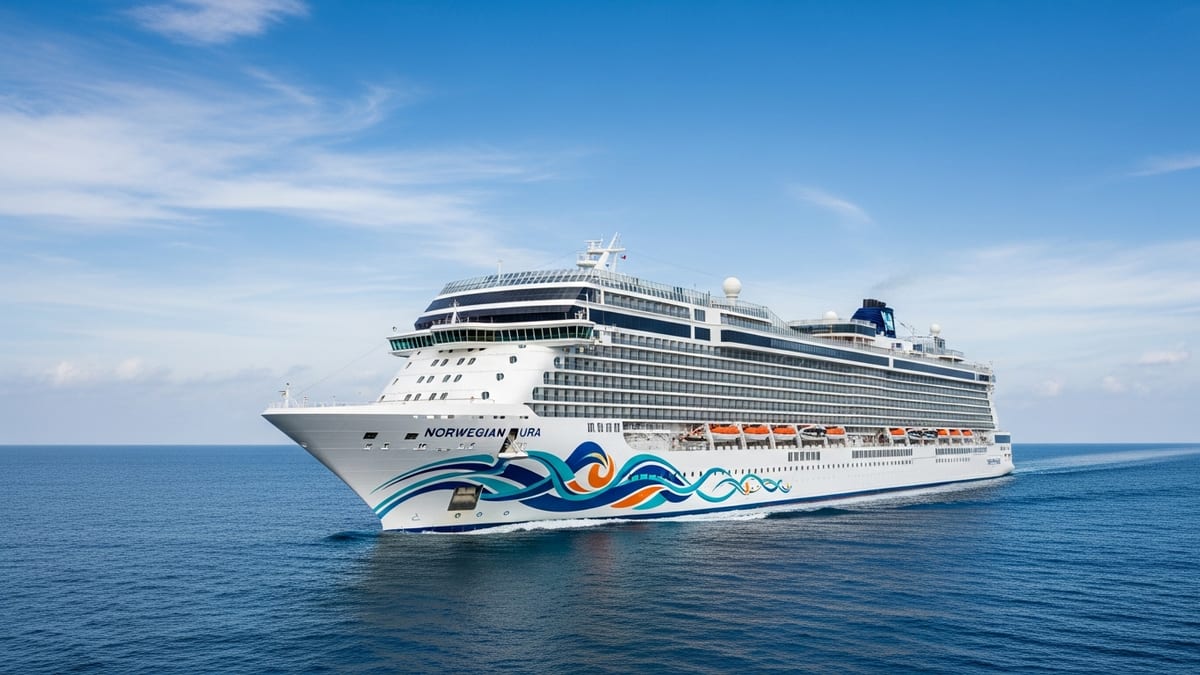
Norwegian Cruise Line has received the lowest overall satisfaction score among major cruise brands in a recent Consumer Reports survey, putting a spotlight on passenger concerns about value, service and on-board experience at one of the industry’s biggest players.
Get the latest news straight to your inbox!
Survey Data Points To Widespread Dissatisfaction
The latest Consumer Reports cruise line ratings, compiled from a survey conducted in January 2026, draw on feedback from about 18,850 members who sailed in the previous three years. Participants were asked to rate 19 cruise lines across a dozen factors, including value for the price paid, quality of food, excursions, entertainment, cabin comfort, cleanliness and customer service. The results place Norwegian at the bottom of the overall satisfaction rankings, according to travel coverage summarizing the data.
Reports indicate that Norwegian trailed competitors in most of the measured categories, with especially weak scores for perceived value and food quality. While some larger brands often face criticism for crowds or upcharges, the survey suggests Norwegian guests were more likely than others to feel that the on-board experience did not match what they paid.
The same Consumer Reports project also identified standouts at the opposite end of the spectrum. Coverage of the findings notes that National Geographic Lindblad Expeditions earned the highest overall satisfaction rating and a coveted “recommended” status, while lines such as Windstar and Viking also performed strongly. Those results underscore the contrast between premium, small-ship operators and big-ship mass-market brands where cost cutting and scale can more visibly affect the guest experience.
Norwegian’s Recent Moves Draw Scrutiny
The low ranking comes at a time when Norwegian has been navigating financial pressure and operational changes. Industry reporting highlights a series of cost-saving and revenue-focused measures that have reshaped the on-board product in recent years. These include higher fees for certain services, shifts in entertainment access and adjustments to itineraries that can alter the value calculus for travelers.
Travel and cruise news outlets have pointed to the removal of advance reservations for some theater shows in favor of first come, first served seating, a move that has been associated with long lines and frustration on popular sailings. Separate coverage has detailed itinerary changes and cancellations affecting future seasons, which can unsettle loyal customers weighing whether to book again.
Passenger commentary in public forums often echoes these themes, with frequent references to increased “nickel and diming,” reduced inclusions and perceived declines in service levels compared with both Norwegian’s past and with rival lines. While such accounts are anecdotal, the new Consumer Reports findings appear to align with a broader narrative of eroding satisfaction among a portion of Norwegian’s customer base.
How Consumer Reports Evaluated The Cruise Lines
Consumer Reports, a nonprofit known for its independent testing and surveys across many consumer categories, applies a data-driven methodology to its cruise ratings. For this project, members were asked to score their recent voyages across multiple dimensions, which were then combined into an overall satisfaction score for each brand. According to broadcast and online summaries of the research, factors such as cleanliness, cabin quality, on-board service, dining, excursions and entertainment each played a role in the final rankings.
Value for the price paid is one of the most closely watched metrics, particularly at a time of rising cruise fares and add-on costs. Reports indicate that Norwegian’s value scores were notably weak, suggesting many travelers felt that extras, surcharges and perceived cuts to amenities undercut the appeal of its advertised deals and promotions.
By contrast, the highest rated brands tended to deliver consistent service, strong destination experiences and a sense that premium pricing translated into clearly superior offerings. Outlets covering the survey note that lines like National Geographic Lindblad, Windstar and Viking combine smaller ships with destination-focused itineraries and more inclusions, which can resonate strongly with travelers who prioritize enrichment and comfort over large-scale entertainment.
Context: A Divided Market And Polarized Opinions
The Consumer Reports rankings arrive amid intense debate among cruisers about which review sources to trust and how much weight to give any single survey. Discussions on cruise-focused forums show that some frequent travelers question whether the membership base of Consumer Reports reflects the full range of mainstream cruisers, while others welcome the large sample size as a rare, structured look at satisfaction across multiple brands.
Public commentary suggests that experiences on the same cruise line can vary widely depending on ship class, cabin type and itinerary. Travelers sailing in premium accommodations, such as ship-within-a-ship enclaves, may rate service and comfort more highly than guests in standard inside cabins even on the same voyage. That variation can influence satisfaction scores and may help explain why some passengers strongly disagree with Norwegian’s last-place ranking despite the broader trends captured in the data.
Industry analysts note that the findings nevertheless contribute to an emerging pattern. Norwegian has faced repeated criticism in recent years for service changes, reduced staffing in some areas and a shift toward more revenue-generating extras. The latest Consumer Reports results reinforce the perception that these strategies carry reputational risks if guests perceive that the experience is slipping even as prices rise.
What The Findings Mean For Future Cruisers
For travelers planning a voyage, the new rankings serve as one data point in a crowded information landscape. Travel advisers and consumer advocates often recommend combining survey-based research, such as the Consumer Reports ratings, with recent ship-specific reviews and an honest assessment of personal priorities. Some lines excel in family amenities, others in nightlife, fine dining or remote destinations, and a low overall satisfaction score may not reflect the specific niche a traveler cares about most.
The visibility of Norwegian’s last-place position could, however, pressure the brand to revisit elements of its product. Cruise lines frequently adjust policies, dining concepts and entertainment based on guest feedback and market performance. If Norwegian seeks to move up in future Consumer Reports rankings, improvements in perceived value, food quality and service consistency are likely to be crucial areas of focus.
In the meantime, the survey underscores how sharply cruise lines can diverge in the eyes of their customers, despite offering broadly similar itineraries and shipboard attractions. As bookings for 2027 and beyond accelerate, travelers weighing Norwegian against its competitors will have fresh data suggesting that satisfaction levels, at least among this large set of surveyed cruisers, are currently strongest elsewhere.