


More news on this day
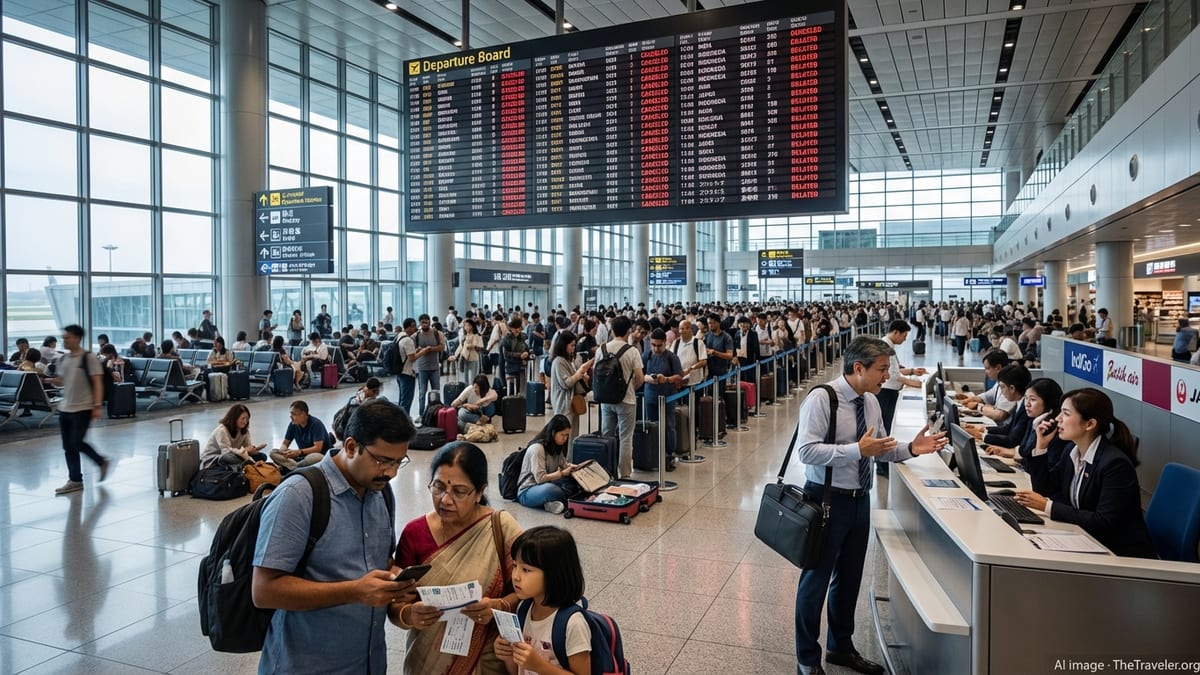
Flight operations across Hong Kong and Taiwan are being disrupted as Super Typhoon Bavi moves west across the Pacific, prompting widespread cancellations, delays and schedule changes on routes linking the region to the rest of Asia and beyond.
Get the latest news straight to your inbox!
Storm Track Puts Hong Kong and Taiwan in Firing Line
Forecasts indicate that Super Typhoon Bavi, which earlier brought destructive winds and flooding to Guam and the Northern Mariana Islands, is now steering toward waters east of Taiwan before continuing on a west-northwest path toward the Chinese mainland. Meteorological updates describe a large system capable of delivering typhoon-force winds, intense rainfall and dangerous seas across a broad swath of the northwest Pacific.
Publicly available information from regional weather agencies suggests that Bavi’s closest approach to Taiwan is expected within the next 48 hours, with the storm’s outer circulation already influencing conditions over the island. While current model guidance points to the center remaining offshore, the storm’s size means aviation hubs such as Taipei Taoyuan, Kaohsiung and airports in the outlying islands are likely to experience periods of strong crosswinds, heavy rain and low visibility.
The same forecasts show Bavi’s circulation extending toward the northern South China Sea and the approaches to Hong Kong. Even if the storm’s core remains some distance away, the combination of high winds, wind shear and turbulent cloud bands along key air corridors has prompted airlines and airport operators to begin adjusting schedules in anticipation of deteriorating conditions.
Hong Kong Airlines Lead Cancellations and Schedule Changes
Hong Kong-based carriers have begun trimming schedules as the storm edges closer. According to publicly posted travel advisories, Hong Kong Airlines has already cancelled or rescheduled a series of regional flights for the coming days, citing the expected impact of Super Typhoon Bavi on routes to Taiwan, Japan and East China. The airline is urging passengers to monitor flight status closely and to make use of online rebooking tools where available.
Other Hong Kong operators are also preparing for disruption. Information on travel alert pages for local airlines shows flexible change policies being offered for tickets covering the peak impact window of the storm, particularly on services touching Taipei, Kaohsiung and cities on China’s southeastern seaboard. While many long-haul flights remain scheduled at this stage, carriers are signalling that further adjustments are possible as Bavi’s path and intensity evolve.
At Hong Kong International Airport, early indications point to a rising number of delays and selective cancellations rather than a full shutdown. Based on previous tropical cyclone responses at the hub, airport operations teams typically work with airlines to thin flight schedules during periods of hazardous crosswinds, freeing runway capacity and reducing the risk of extended airborne holding or diversions. Similar patterns are beginning to emerge as Bavi approaches, with airlines consolidating services and repositioning aircraft ahead of the worst weather.
Taiwan Aviation Faces Widespread Disruption
Taiwan’s transport network is already feeling the effects of the storm. Local media reports describe ferry suspensions to offshore islands, closures of coastal tourist sites and preemptive traffic restrictions as authorities prepare for Bavi’s arrival. Airlines based in Taiwan have issued notices warning of possible short-notice changes across domestic and international networks, with some carriers publishing lists of cancelled or retimed flights.
Major operators including EVA Air, China Airlines and Starlux have highlighted routes to and from northern Taiwan as particularly vulnerable, given that the storm’s strongest winds are projected to brush the island’s northeast. Public statements emphasise passenger safety as the primary consideration, with carriers advising travellers to check departure and arrival times before leaving for the airport and to ensure contact details in bookings are up to date for any disruption alerts.
History shows that strong typhoons passing close to Taiwan can temporarily shut down its main gateways when conditions deteriorate rapidly. Past events have seen Taoyuan and Kaohsiung airports suspend operations for several hours while airlines cancelled large portions of their schedules. With Bavi expected to generate periods of intense rainfall and powerful gusts, aviation observers are watching closely for signs that similar measures could be reintroduced if forecast thresholds are met.
Knock-On Effects Across the Wider Region
Bavi’s influence is beginning to ripple beyond Hong Kong and Taiwan. Carriers in Japan, South Korea and mainland China are assessing potential changes on routes that transit the western Pacific airspace affected by the storm. Some airlines have already adjusted flight paths to avoid the most severe weather cells, which can add flight time and contribute to minor delays even on services that remain otherwise unaffected.
Travel industry commentary suggests that connections across popular Asia-Pacific hubs are particularly exposed. Passengers flying between North America or Europe and destinations in Southeast Asia via Hong Kong or Taipei may experience missed connections or rebookings if initial legs are delayed or onward flights are cancelled. The complexity of modern airline networks means that a concentrated weather event in one part of the region can have cascading effects on aircraft rotations and crew schedules thousands of kilometres away.
In the cargo sector, logistics specialists note that freighter schedules through Hong Kong and Taiwan are also being reviewed, with some operators preferring to advance or delay flights rather than risk extended groundings in high winds. Given the importance of both hubs for high-value and time-sensitive goods, even short-lived disruptions can require careful planning by shippers seeking to maintain supply chain continuity.
What Affected Passengers Should Expect
With uncertainty remaining over Bavi’s exact trajectory and intensity as it nears Taiwan and East China, aviation experts caution that flight information is likely to change repeatedly over the coming days. Many airlines are waiving change fees or offering one-time free date changes for tickets covering the storm period, but these policies often come with conditions on travel dates or fare differences.
Passengers are being encouraged, through airline and airport communications, to rely on official flight status pages and mobile applications rather than third-party trackers, which may lag behind real-time operational decisions. For those already at airports, terminal displays and public announcements remain the primary channels for updates on gate changes, boarding times and cancellations.
Travel insurers are also monitoring the situation, with some providers reminding customers that coverage for weather-related disruption can depend on when a policy was purchased relative to a named storm and whether the airline has already announced schedule changes. Travellers are advised in public guidance to review policy wording carefully and to retain documentation of delays, cancellations and additional expenses such as accommodation or meals.
As Super Typhoon Bavi edges closer to Taiwan and exerts a growing influence on conditions around Hong Kong, the scale of aviation disruption is expected to evolve quickly. For now, industry observers describe a fluid situation in which airlines are actively managing capacity and routings to keep passengers and crew safe while maintaining as much connectivity as the weather allows.