


More news on this day
Emergency crews converged on the Woodward area after a freight train derailed and several cars overturned, disrupting service along a key rail corridor and raising fresh concerns about rail safety in the region.
Get the latest news straight to your inbox!
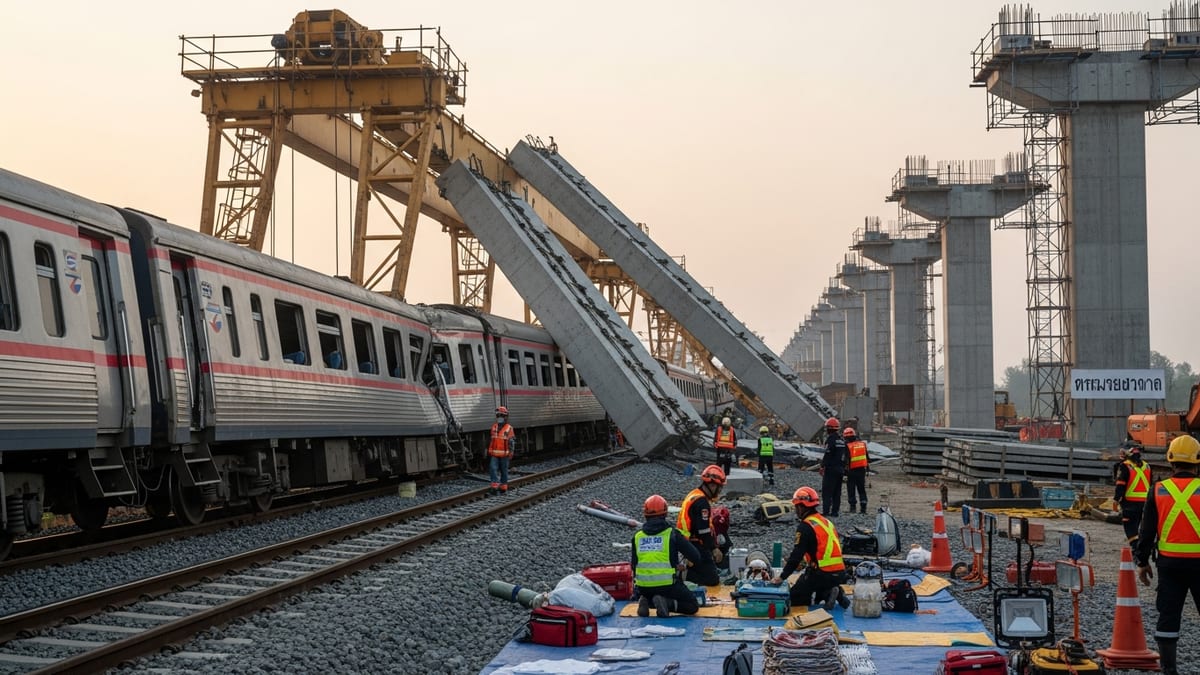
Overturned Railcars Bring Sudden Halt to Operations
Initial reports indicate that multiple freight cars left the tracks near Woodward, with at least some of them overturning along the right of way. Images shared through local and regional outlets show toppled cars resting on their sides and heavy equipment moving into place as crews assess the damage and begin the recovery process.
Publicly available information points to freight traffic being halted in both directions as responders work around the derailed consist. Rail operators typically suspend movements through the affected segment while track conditions are inspected and damaged cars are stabilized or removed.
Early accounts do not point to a large release of hazardous materials, and there were no immediate indications of serious injuries among rail workers or people in nearby areas. That picture can evolve as inspections progress, and investigators document the condition of the train, track and signaling systems.
The derailment near Woodward comes at a time when communities across the United States are paying closer attention to incidents involving freight trains, particularly where derailments occur close to residential neighborhoods, critical infrastructure or environmentally sensitive locations.
Emergency Response and Containment Efforts
Fire, rescue and rail response teams moved quickly into the area around the incident to secure the scene and check for any sign of fire, fuel leakage or hazardous cargo. Standard practice in such events involves establishing a safety perimeter, confirming the train’s manifest and working with rail personnel to identify any tank or specialty cars that may require additional monitoring.
Specialized rail cranes and heavy machinery are typically brought in to re-rail cars that remain structurally sound or to clear away equipment that cannot be safely returned to the track. In Woodward, recovery crews are expected to work through multiple shifts to remove overturned cars, repair damaged track and restore the line to service.
Transportation updates from the region suggest that nearby road crossings may experience intermittent closures as large equipment is positioned and debris is cleared. Drivers can face delays where roadways run close to the rail corridor, and temporary detours are often set up while work progresses.
Environmental and safety teams generally conduct air and soil checks around the derailment zone if there is any indication of leaking cargo or fuel. Even when early reports suggest no major spill, monitoring continues until the last derailed car is removed and the track bed is rebuilt.
Impact on Rail Traffic and Local Community
The Woodward derailment is expected to affect freight schedules across a wider area, as trains are held short of the damaged segment or rerouted where alternative lines exist. Shippers that rely on time-sensitive deliveries may experience delays while rail operators adjust their logistics plans.
Local residents can experience an immediate change in noise and traffic patterns as idled trains wait on sidings or as construction activity increases around the damaged right of way. Rail disruptions sometimes prompt additional truck traffic if cargo is temporarily shifted to road transport, altering traffic flows through nearby towns.
Businesses that depend on inbound materials or outbound shipments by rail often watch closely for estimates on when service will resume. Published coverage of other recent derailments shows that uncomplicated incidents can be resolved within a day or two, while more serious events involving extensive track damage or complex cargo can require significantly longer outages.
Municipal agencies and emergency management offices frequently review how effectively alerts, road closures and public information were handled during such incidents. Those reviews can lead to adjustments in local emergency planning, particularly in communities that sit alongside busy rail corridors.
Ongoing Investigation Into Cause of the Derailment
Rail safety records show that derailments can stem from a range of issues, including track defects, equipment failures, operating conditions, or severe weather. In the Woodward case, investigators are expected to document the state of the rail, the train’s speed and handling, and any recent maintenance or inspection work along the affected stretch.
Data from locomotive event recorders, often compared to an aircraft’s flight data recorder, typically provide detailed information about braking, throttle use and speed in the moments leading up to an incident. That information, combined with physical evidence on the track and wheels, can help determine whether the primary cause was related to infrastructure, mechanical problems or other factors.
Federal and state rail safety agencies maintain databases of prior accidents and near misses, and those records can be consulted to see whether similar derailments have occurred along the same line or under comparable operating conditions. Patterns identified in those records sometimes lead to broader safety directives affecting railroads nationwide.
While it can take weeks or months for a final report to be issued, preliminary findings often guide immediate corrective actions, such as speed restrictions, additional inspections or changes in operating rules through the affected area.
Rail Safety Debate Intensifies After Recent Incidents
The Woodward derailment adds to a string of train incidents reported across North America in recent months, fueling an ongoing debate over rail infrastructure investment and safety regulations. National data show hundreds of derailments of varying severity each year, with many occurring in remote areas but some affecting populated communities.
Advocacy groups and transportation analysts frequently highlight the age of certain rail lines, the volume of heavy freight traffic and the risks associated with transporting hazardous cargo as key reasons to accelerate track upgrades and modern safety systems. Examples include enhanced track inspection technology, improved braking systems and stricter standards for tank car design.
Rail industry representatives often point to overall improvements in safety performance over the long term, noting that most freight moves without incident and that derailments involving significant hazardous material releases remain relatively rare. Nonetheless, high-profile events can influence public perception and renew calls for tighter oversight and more transparent reporting of rail incidents.
As crews continue work at the Woodward site, the incident is likely to become part of a broader conversation about how communities, regulators and railroads balance the economic importance of freight rail with expectations for safety and environmental protection.