

More news on this day
British holidaymakers heading to Croatia in 2026 are being urged to review updated UK Foreign Office guidance, as tighter regional border checks and a growing list of costly on-the-spot fines reshape what travellers can expect on arrival and during their stay.
Get the latest news straight to your inbox!
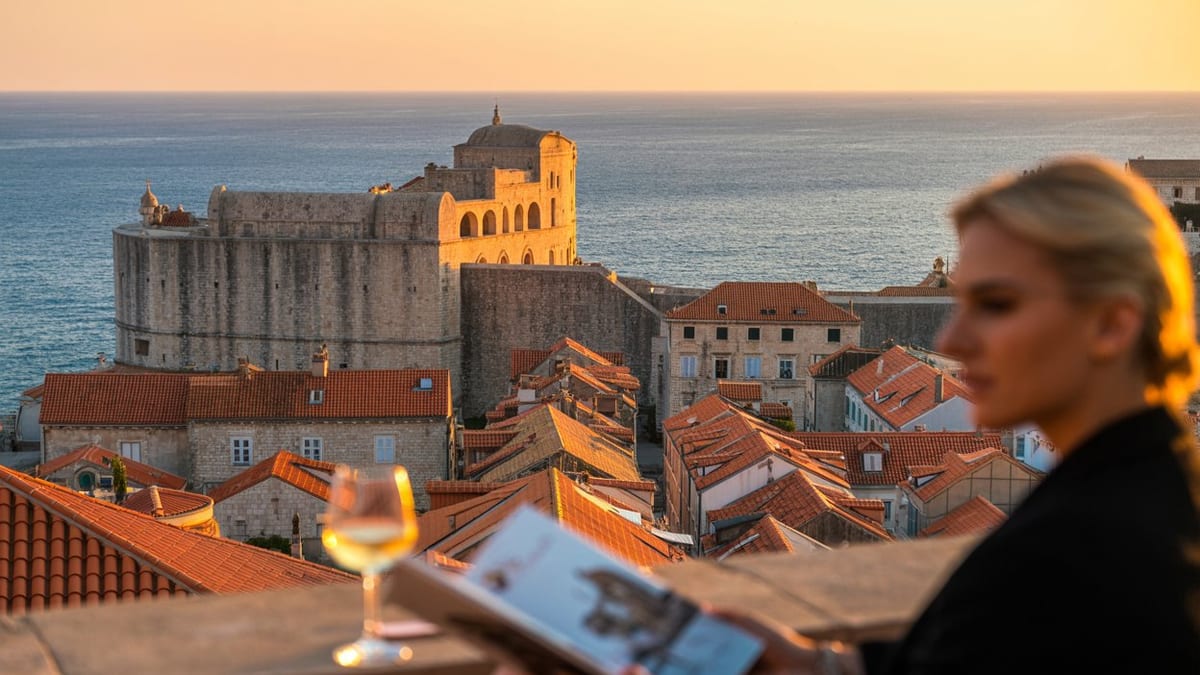
Image by Global Travel Alerts, Advisories, International Travel Alerts
Fresh UK Guidance Highlights Border and Safety Shifts
Recent updates to the UK government’s Croatia travel advice draw attention to a tougher environment for rule-breaking visitors, with a particular focus on public order and compliance with local regulations. Publicly available information shows that Croatian police and municipal wardens are making extensive use of immediate financial penalties for a range of minor offences, from disruptive behaviour to breaches of local by-laws.
The refreshed guidance comes as Croatia and several neighbouring states continue to apply temporary internal Schengen border controls, especially along the Slovenia and Hungary frontiers. International briefings on European border policy indicate that controls at some of Croatia’s land borders are currently authorised into mid-2026, meaning UK travellers arriving overland could face longer queues, more frequent ID checks and occasional vehicle searches.
Safety advice circulated to UK travellers also underscores that law enforcement responses at large events, including music festivals and city-centre gatherings, can be highly proactive. Reports from previous summer seasons describe increased screening around major concerts and nightlife districts, with security and police activity concentrated in coastal hotspots such as Split, Hvar and Dubrovnik.
While the overall security assessment for Croatia remains broadly favourable and the country continues to market itself as a safe Mediterranean destination, the tone of recent coverage is clear: visitors are expected to understand local rules in advance, carry valid identification at all times and cooperate promptly if approached by officials at borders or in urban centres.
Border Rules in 2026: What UK Travellers Should Expect
Although Croatia has been part of the Schengen area since 2023, regional developments mean border arrangements are not as frictionless as many tourists assume. European policy documents show that neighbouring Slovenia has reintroduced checks on its frontier with Croatia into the first half of 2026, citing internal security concerns. For UK visitors who often combine Croatia with self-drive trips through Italy and Slovenia, this can translate into extra waiting time at land crossings and more detailed questioning about travel plans.
Air arrivals from the UK continue to be treated as arrivals from a non-Schengen, non-EU country. Passengers are subject to standard passport checks on entry, with officials verifying the purpose of stay, proof of accommodation and return travel where considered necessary. Travellers are also reminded that Croatia applies the broader Schengen “90 days in any 180-day period” rule, and overstaying this limit can lead to fines, formal entry bans or both.
Looking ahead, wider European border modernisation will also affect Croatia. EU information campaigns point out that the new Entry/Exit System, a biometric registration scheme for non-EU nationals, is scheduled to come into effect across the Schengen area, including Croatia, during 2026. Once operational, the system is expected to make it easier for authorities to spot visitors who exceed permitted stays, increasing the likelihood that irregular stays will trigger penalties or future entry difficulties.
Separately, some travel forums and advisory sites are already warning that the EU’s ETIAS travel authorisation is due to become mandatory for visa-exempt travellers, including UK nationals, in late 2026. While ETIAS will not replace the need for a valid passport or change the 90-day limit, failing to hold an approved authorisation when it becomes compulsory could result in denial of boarding or refused entry at Croatian frontier posts.
Crackdown on Anti-Social Behaviour and Public Drinking
The sharpest warnings in recent months relate to conduct in Croatia’s busiest tourist zones. British and international reports highlight a coordinated push by Croatian municipalities, particularly along the Adriatic coast, to curb rowdy behaviour associated with nightlife, stag and hen parties, and mass tourism. Local ordinances now enable police and wardens to issue immediate fines for a broad spectrum of anti-social conduct.
In the city of Split, fresh regulations entering into force for summer 2026 restrict the sale of alcohol in supermarkets and liquor stores after 8 p.m., with consumption increasingly channelled into licensed premises. Travel industry coverage notes that drinking in unapproved public areas, or carrying open containers in certain central streets and waterfront promenades, can incur fines reported at up to several hundred euros per incident.
Other Adriatic destinations, including Hvar and parts of Dubrovnik, have introduced or expanded rules targeting public intoxication, disorderly conduct and noise. Publicly available reports describe penalties for activities such as shouting late at night in residential streets, bringing glass bottles onto beaches, or playing amplified music in historic centres outside approved hours. The fines in some municipalities have been benchmarked in local media as reaching the low thousands of euros for repeat or severe infringements.
Guidance aimed at UK travellers stresses that enforcement can be swift and is not limited to obviously criminal behaviour. In certain zones, tourists have reported on-the-spot penalties for offences that might elsewhere attract only a warning, such as sitting or sleeping in doorways, wearing swimwear away from beach areas, or urinating in public. Visitors are generally required to produce identification and either pay immediately or within a short specified period, with non-payment potentially escalating into court proceedings.
Dress Codes, Festival Security and Local By-Laws
The tightening of rules in 2026 goes beyond alcohol and noise. Municipal councils in several Croatian destinations have adopted detailed codes of conduct that effectively function as dress and behaviour regulations for old towns and waterfronts. According to regional travel coverage, these codes can include bans on walking shirtless through historic streets, entering churches or civic buildings in beachwear, or climbing on monuments and public structures for photographs.
Large-scale summer events, including dance music festivals on the Dalmatian coast, are subject to their own security regimes. Previous seasons have seen increased bag checks, drug-sniffer operations and targeted patrols inside and around festival sites. Visitor accounts shared online describe a low tolerance for drugs and an active focus on possession, with the possibility of significant fines or detention even for relatively small quantities.
Local transport and traffic rules are also drawing more scrutiny. Reports from recent seasons highlight substantial penalties for unauthorised access to restricted traffic zones in cities like Dubrovnik, where certain central streets and approaches require special permits. Tourists following navigation apps or accommodation hosts’ directions into these zones have reported receiving high-value fines after the fact, sometimes via rental car companies.
For UK holidaymakers, the emerging pattern is that “I did not know” is unlikely to be treated as a defence. The Foreign Office’s reiterated advice encourages travellers to check local council notices, signage and accommodation instructions carefully and to assume that enforcement cameras or patrols may be in operation even if officers are not immediately visible on the street.
Practical Implications for UK Holidaymakers in 2026
The 2026 Croatia travel warning does not discourage visits outright, but it reframes the experience as one where awareness and preparation are essential. The country remains one of the Adriatic’s most popular destinations for British tourists, and its beaches, islands and historic cities are expected to attract strong visitor numbers again this year. However, the combination of stricter border formalities and assertive local policing of tourist behaviour increases the potential financial and legal consequences of mistakes.
Travel commentators suggest that UK visitors treat Croatia’s rules in the same way as those of any highly regulated Schengen state: carry a passport at all times, keep copies of travel insurance and accommodation bookings, and budget for tourist taxes and possible administrative charges. Extra time should be allowed for overland crossings, particularly where temporary border checks are known to be in operation, and travellers should familiarise themselves with the Schengen stay limits in advance of extended trips.
Those planning party-focused holidays are being advised by tour operators and information sites to read municipal conduct codes for destinations like Split, Hvar and Dubrovnik before travel. Avoiding street drinking outside designated areas, respecting quiet hours, and dressing conservatively away from the beach are presented as straightforward ways to stay clear of the most common offences that incur fines.
Ultimately, the updated Foreign Office advice portrays Croatia in 2026 as a destination that welcomes visitors but expects them to adapt to local expectations. For British travellers, that means treating border rules, city by-laws and festival security not as recommendations but as enforceable conditions of entry and stay, with financial penalties that can rival the cost of the holiday itself.