


More news on this day
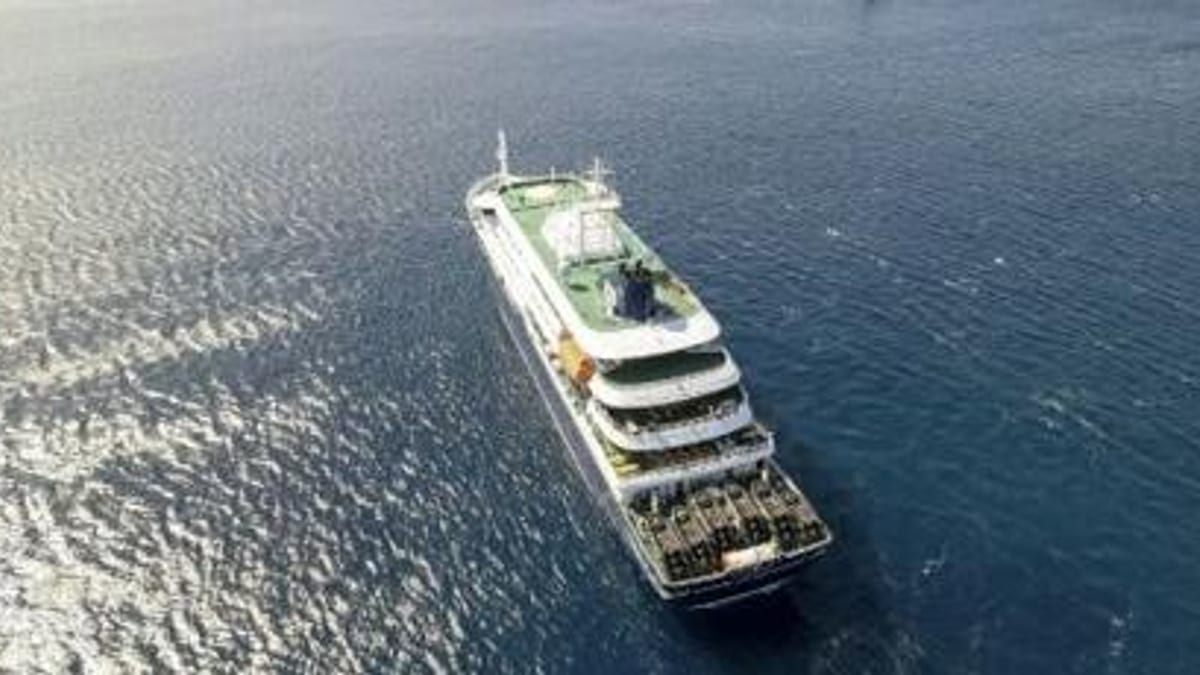
Passengers aboard the Dutch-flagged expedition ship MV Hondius remain effectively stranded off the Cape Verde islands after three deaths and multiple suspected infections linked to a rare hantavirus, turning a South Atlantic cruise into an extended quarantine at sea.
Get the latest news straight to your inbox!
Deadly Outbreak Transforms Cruise into Floating Quarantine
The MV Hondius, a polar expedition vessel operated by a Dutch company, had been sailing a long-haul itinerary from Ushuaia in southern Argentina toward Cape Verde when illness first appeared in early April. Publicly available information indicates that several passengers developed fever and flu-like symptoms during the Atlantic crossing, followed by severe respiratory complications.
Reports indicate that three passengers linked to the voyage have died since mid April. A Dutch passenger reportedly fell ill on board and died on April 11, while his wife, who left the ship later in the month, died days after her condition worsened during a flight to Johannesburg. A third passenger, a German national, died on May 2 after developing symptoms in late April.
Health agencies monitoring the case state that at least two infections with hantavirus, a rodent-borne pathogen capable of causing life-threatening respiratory disease, have been laboratory confirmed, with additional cases considered probable. Illness onset among passengers and crew has been recorded between April 6 and April 28, suggesting exposure over several weeks as the ship continued its planned route across the South Atlantic.
By early May, the Hondius had effectively become a floating isolation facility, with passengers largely confined to their cabins and common areas restricted in an effort to limit further transmission while the vessel searched for a port willing to receive it.
Ship Held off Cape Verde as Port Access Remains Limited
Ship-tracking data and regional media coverage show the MV Hondius anchored off Praia, the capital of Cape Verde, in the first days of May. Local authorities have provided logistical and medical support from shore but initially declined to allow passengers to disembark, citing the ongoing investigation into the outbreak and the small archipelago’s limited capacity to manage a complex infectious disease event.
According to published coverage, health workers in protective gear boarded the ship near Praia to assess patients and organize evacuations for the most serious cases. Several individuals, including at least one British national and others with severe respiratory distress, were transferred to hospitals in South Africa and elsewhere for intensive care.
Despite these evacuations, around 150 people, including passengers and crew, remained confined on board as of this week while governments and the cruise operator worked with international health agencies to secure longer-term solutions. Public information indicates that Spain later agreed to receive the vessel in the Canary Islands, though the timeline and conditions for that voyage have been the subject of ongoing negotiation.
The days off Cape Verde have highlighted the practical difficulties small island states face when confronted with a high-profile health emergency at sea, particularly one involving a rare virus and multinational passengers whose home countries are demanding swift repatriation.
How a Rare Hantavirus Reached an Atlantic Cruise
Hantaviruses are a family of pathogens normally spread to humans through contact with infected rodents or their droppings. The strain linked to the Hondius cluster has been associated in public reports with a type found in Argentina, where some passengers traveled extensively before joining the cruise. World Health Organization assessments describe a working hypothesis that at least one infected traveler may have boarded the ship already incubating the virus.
While hantavirus infections are unusual, they can lead to severe illness characterized by fever, muscle aches, and, in serious cases, hantavirus pulmonary syndrome, which can progress rapidly to respiratory failure. Mortality rates are significantly higher than for more familiar respiratory infections, which helps explain the intense concern around even a small cluster of cases in an enclosed environment such as a cruise ship.
Health agencies have noted that human-to-human transmission of some South American hantavirus strains has been documented in past outbreaks on land. That history has prompted investigators to examine whether close contact on board, shared cabins, or specific environmental factors on the ship may have contributed to the spread of infection beyond the initial exposure.
Early timelines released by international health bodies indicate that the first patient’s symptoms appeared several days after extensive travel in rural parts of South America. Subsequent cases emerged over the following weeks within the closed ecosystem of the ship, providing a rare and troubling real-world test of how a rodent-borne disease can behave in a maritime tourism setting.
Passenger Experience and Growing Anxiety On Board
Accounts shared through media interviews and social posts by those on board paint a picture of rising anxiety as the situation unfolded. After the first death, many passengers reportedly continued with the cruise, unaware that an unusual infection might be involved. Others chose to disembark at early ports, meaning that the total number of people exposed during the voyage extends beyond those still aboard.
Once the suspected hantavirus link became public, movement on the Hondius was sharply curtailed. Reports indicate that passengers have spent long days largely confined to cabins, with meals left at doors and crew instructed to minimize contact. Recreational areas and social gatherings that typically define the cruise experience have been scaled back or suspended entirely.
The psychological strain of being unable to disembark, combined with news of additional suspected cases and media images of health workers in full protective gear, has added a layer of fear to the physical risk. Travelers have expressed frustration at the uncertainty over when and how they will be able to return home, and whether further cases will emerge before they leave the vessel.
At the same time, publicly available information suggests that medical staff and crew have been working under intense pressure, balancing infection-control protocols with the need to maintain essential services for everyone on board. That dual responsibility has drawn renewed attention to the preparedness of smaller expedition-style ships for serious health emergencies far from major ports.
Broader Questions for Cruise and Health Authorities
The crisis off Cape Verde is already prompting wider scrutiny of cruise-industry health practices and global response mechanisms for outbreaks at sea. Unlike the mass-market mega-ships that made headlines during the COVID-19 pandemic, the Hondius is a relatively small expedition vessel, yet it has still struggled to find a port willing to accept it once a rare virus was suspected.
Public health experts quoted in recent coverage have stressed that while hantavirus outbreaks are extremely uncommon, the current situation underscores enduring vulnerabilities when hundreds of people share confined spaces on long voyages that traverse remote regions. Questions are being raised over pre-boarding screening for travelers coming from areas where uncommon pathogens circulate, and how quickly unusual clusters should trigger route changes or emergency docking plans.
The episode is also testing international coordination. With passengers from multiple countries and a ship registered in the Netherlands but operating in African and European waters, decisions over evacuation flights, quarantine requirements, and eventual repatriation involve a complex web of national health agencies and transport arrangements.
For future travelers, the Hondius outbreak may influence perceptions of risk on high-end expedition cruises that market remoteness and adventure as key selling points. As investigations continue into how the virus spread and how effectively measures on board limited further transmission, the case is likely to become a reference point for updated maritime health guidance and for travelers weighing the appeal of far-flung itineraries against the challenges of medical care far from shore.