

More news on this day
Cyprus is facing mounting air travel disruption and heightened security concerns as the United States urges its citizens to reconsider travel to the island amid a rapidly escalating Middle East crisis.
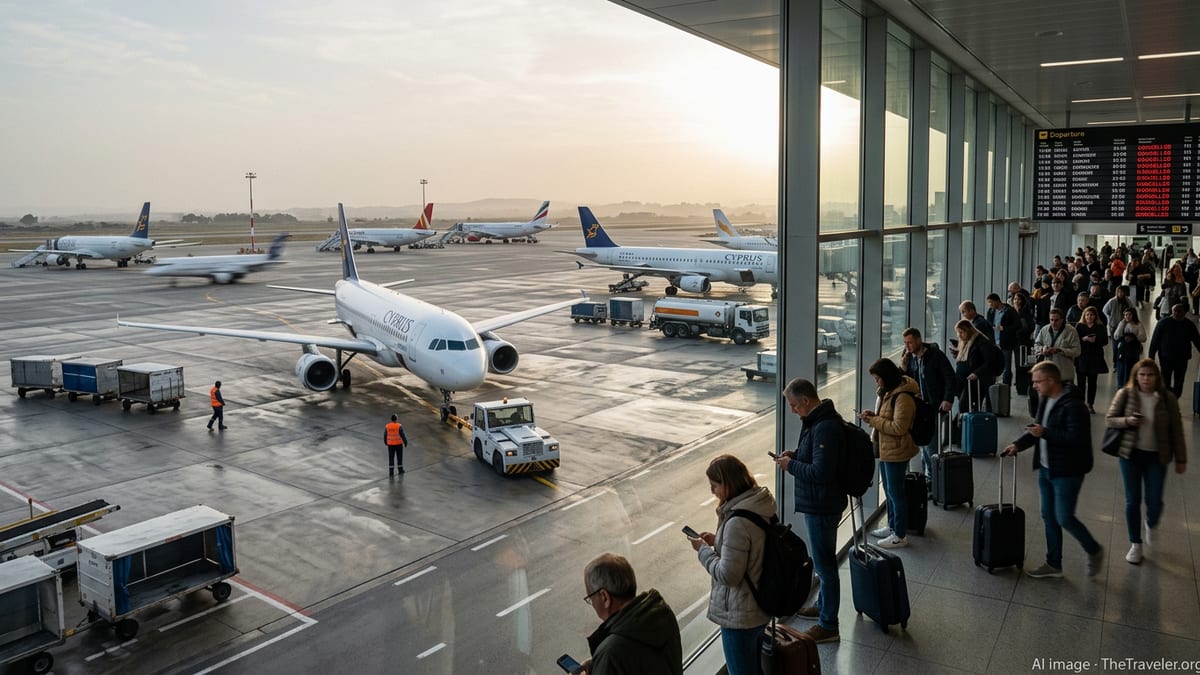
US Raises Cyprus Advisory to ‘Reconsider Travel’
The US State Department has updated its guidance for Cyprus, raising the country’s travel advisory to Level 3, which urges Americans to reconsider travel. The change, made on March 3, reflects growing concern that the war involving the United States, Israel and Iran could spill over into the eastern Mediterranean, affecting both security conditions and the reliability of air links.
Alongside the higher advisory level, Washington has authorized the departure of non-essential staff from the US Embassy in Nicosia. Officials note that the move is precautionary but acknowledge that the regional threat environment has deteriorated quickly in recent days. The embassy has also reiterated long-standing warnings about the limited ability to assist US citizens in the area of Cyprus administered by Turkish Cypriot authorities.
The revised guidance comes on top of broader worldwide security messaging from US authorities, which emphasize the potential for attacks or unrest targeting American interests across the Middle East and neighboring regions. Travelers are being urged to enroll in alert systems, maintain a high level of situational awareness and have contingency plans if commercial travel options are suddenly reduced.
Flight Cancellations Mount at Larnaca and Paphos
Cyprus’s two main international gateways, Larnaca and Paphos airports, have been at the center of the disruption. Airport operator data and local media reports indicate that more than 100 flights have been cancelled or removed from schedules since the weekend, as airlines react to airspace closures and shifting risk assessments across the Middle East.
On March 1, at least 48 flights were cancelled in a single day, with 36 cancellations at Larnaca and 12 at Paphos, primarily affecting routes to and from Middle Eastern destinations. By March 2, local outlets were reporting a total of around 60 cancellations in one day, including 42 at Larnaca and 18 at Paphos, as carriers scrapped or consolidated services serving Israel, Gulf hubs and other regional cities.
Further disruptions have continued into March 4, with additional cancellations and delays reported at Larnaca. While key European links remain largely operational, airlines are being forced to re-route aircraft to avoid conflict zones, adding flying time and complicating crew and fleet planning. Industry observers describe the situation as one of the most significant aviation disturbances to hit Cyprus in recent years.
Drone Incident at RAF Akrotiri Heightens Security Jitters
Security tensions on the island intensified after a suspected drone strike near RAF Akrotiri, the large British air base on Cyprus’s southern coast, shortly after midnight on March 2. The incident prompted a temporary evacuation at nearby Paphos Airport and a flurry of precautionary checks, even though authorities later confirmed there were no injuries and limited physical damage.
The attack, linked by officials to Iranian-backed forces, underscored Cyprus’s strategic role as a launch and support platform for Western military operations in the region. With additional naval and air assets from European allies deploying to the eastern Mediterranean, local residents and visitors alike are increasingly aware that the island sits within reach of the conflict’s expanding front lines.
Cypriot authorities have stressed that there is no indication the island itself is a direct target, and life in major resort areas continues largely as normal. Nonetheless, the drone episode has increased anxiety among travelers already unsettled by headlines about missile launches, airspace closures and the possibility of further strikes on military facilities.
Regional Airspace Closures Reshape Routes Via Cyprus
The conflict has triggered broad airspace restrictions across parts of the Middle East, including over Iran and several neighboring countries, forcing airlines to redesign flight paths between Europe, Asia and Africa. Industry advisories describe a patchwork of “do not fly” and “avoid at all costs” areas, which have pushed carriers to divert around key corridors that normally handle dense long-haul traffic.
For Cyprus, these closures have a dual effect. On one hand, they reduce direct services connecting the island with Middle Eastern cities that serve as feeder hubs for long-haul journeys. On the other, they place added pressure on the island’s airports and air traffic system as some flights are re-routed through or around Cypriot airspace to skirt higher-risk zones, increasing congestion and the potential for knock-on delays.
Travel analysts note that some passengers are choosing alternative transfer points such as Athens, Istanbul or Cairo in an attempt to avoid itineraries that rely on airports closer to the conflict. Visa and mobility specialists report a spike in inquiries from corporate travelers seeking backup routings and contingency plans, particularly for staff who might be stranded if airspace restrictions widen.
What US and Other Travelers Should Do Now
For American travelers, the new US Level 3 advisory for Cyprus does not amount to a ban, but it signals that trips should be delayed, shortened or carefully reconsidered unless essential. Those already on the island are being encouraged to register with consular alert systems, monitor reputable local and international news sources and keep family or employers informed of any changes to their itineraries.
All travelers, regardless of nationality, are being urged by Cypriot airport operators to confirm flight status with their airline before heading to Larnaca or Paphos. With schedules changing at short notice, carriers are frequently adjusting departure times, consolidating services or switching aircraft types. Flexible tickets and comprehensive travel insurance, including coverage for war or security-related disruption where available, are increasingly important.
Tourism officials emphasize that hotels, beaches and cultural sites remain open, and that bookings for the upcoming spring and early summer season have not yet collapsed. However, tour operators are quietly updating emergency protocols, considering alternative arrival points and assessing whether to modify package offerings if air connectivity remains unstable.
With the military and diplomatic situation still fluid, industry experts warn that Cyprus’s travel outlook in the coming weeks will depend heavily on whether regional hostilities intensify or begin to ease. Until the risk to air routes and nearby bases becomes clearer, visitors can expect a more unpredictable experience than in previous seasons, even as the island continues to market itself as a safe haven on the edge of a widening conflict.