

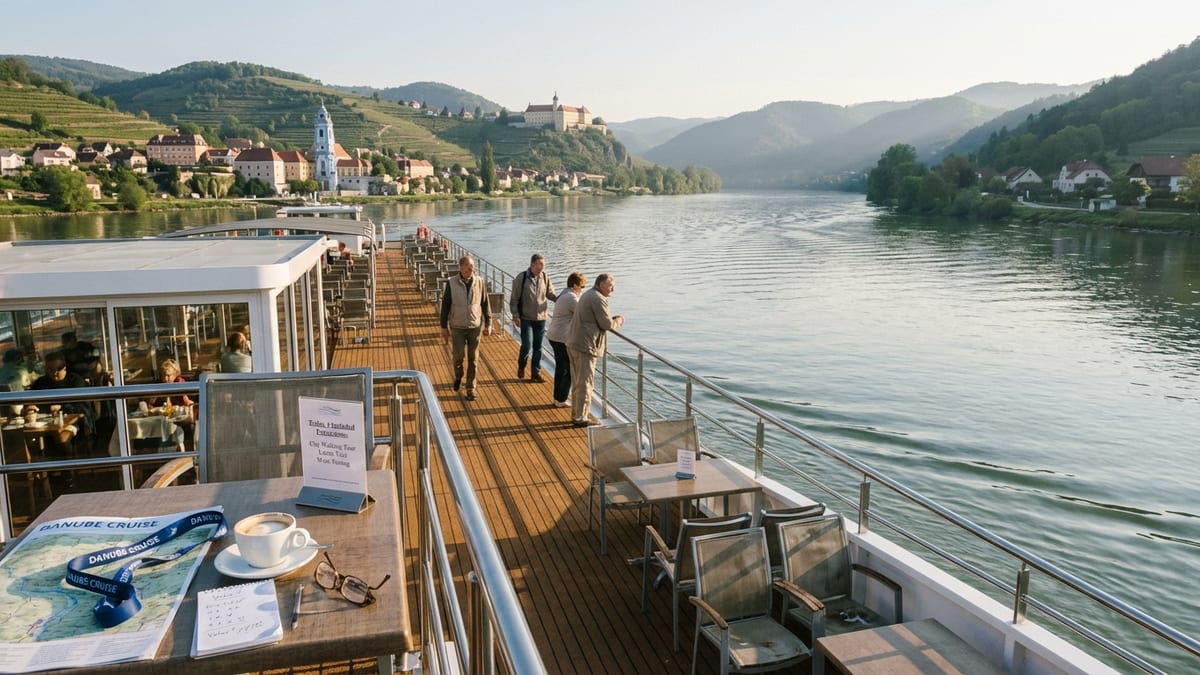
The Danube has long been the classic European river cruise, threading together storybook towns, imperial capitals and vineyard-lined valleys. But as more lines crowd into the market and promotions shout about “free air” or “all inclusive,” it can be difficult to decode exactly what your fare really buys you. Understanding what is typically included in a Danube river cruise deal, and what will appear later on your onboard account, is the key to comparing offers and building a realistic budget.
How Danube River Cruise Pricing Works Today
At first glance, Danube river cruise fares can look high compared with big-ship ocean cruises, especially when you see per diem rates that rival upscale hotels. The crucial difference is that river cruise pricing is built around bundling: lines generally include a large portion of the vacation cost in the upfront fare, from meals and certain drinks to daily excursions and port taxes. That means less nickel-and-diming once you are on board.
Pricing varies widely between brands, sailing dates and cabin categories. A one-week Danube itinerary in shoulder season often starts around the low to mid four figures per person, while festive season sailings around the region’s famous Christmas markets or peak summer departures typically command higher rates. On top of that are periodic promotions, such as reduced deposits, “free air” with a minimum cabin category, or limited-time discounts tied to specific booking windows, which can meaningfully shift the final cost.
Most river cruise companies now publish explicit notes that their base fares are “cruise only” and typically based on double occupancy in the lowest cabin category. Port charges and taxes on the Danube are increasingly included in the advertised price, instead of appearing as a separate line-item later, but you should always read the fine print to confirm. Solo travelers, guests adding pre- or post-cruise land extensions, and those looking at upgraded suites all face different pricing structures that are not obvious from the headline fare.
All of this makes direct deal comparisons tricky. Two advertised fares may sit a few hundred dollars apart yet offer very different levels of inclusions. A careful look at what each line bundles into its Danube packages is far more important than simply chasing the lowest base price.
Before focusing only on price, it’s important to understand whether Danube cruises are worth it based on what is actually included.
What Your Danube River Cruise Deal Typically Includes
Across the major river cruise brands sailing the Danube, there is a broadly consistent core of inclusions built into the standard fare. At its heart, you are buying your cabin, full-board dining on the ship, and transportation between the ports on your itinerary. This usually means three meals per day, with multi-course dinners that highlight regional cuisine and more casual lunches and breakfasts, often served buffet-style with some cooked-to-order options.
Complimentary drinks at mealtimes are now standard across many lines. House wines, draft or bottled beers and soft drinks are typically poured freely during lunch and dinner, with tea, coffee and water available throughout the day. Some operators layer in extras such as a daily cocktail hour with included drinks, specialty coffees or extended beverage service at no additional charge, while others keep a tighter definition of “included” drinks and charge for anything outside specific windows.
Perhaps the most valuable inclusion on a Danube cruise is the shore excursion program. Unlike large ocean ships, where many tours come at a premium, Danube river itineraries routinely bundle a set of daily guided activities into the fare. These might be city walking tours, coach panoramas of major capitals such as Vienna or Budapest, visits to castles and monasteries, wine tastings in regions like the Wachau Valley, guided bike rides or themed cultural outings. Many lines now offer a choice of pace, from gentle walkers’ groups to more active hikes or bike tours, so you can tailor your day without additional cost.
Also typically wrapped into the fare are port fees and taxes, onboard Wi-Fi in most public spaces and cabins, and onboard entertainment. On the Danube, that entertainment leans toward lectures on local history, language or culture, as well as regional music performances and cooking demonstrations, rather than large-scale shows. Finally, your fare almost always covers use of onboard fitness areas, libraries and lounges, and often small extras such as bottled water replenished in your cabin each day.
Many deals look attractive at first glance, but real value depends on choosing between luxury vs budget Danube cruises.
Where the “All Inclusive” Line Stops
Even on the most generous Danube packages, there is always a boundary between included experiences and discretionary extras. A major dividing line lies in the bar: while mealtime wines and beers are widely included, drinks ordered at other times are often charged to your account. This can encompass cocktails, premium spirits, branded specialty coffees and even standard wines or beers outside meals, depending on the line’s policy. Some operators sell optional beverage packages that extend inclusions to the bar all day, which may make sense for travelers who enjoy multiple daily drinks.
Gratuities are another important gray area. Practices on the Danube vary: a few European-focused lines build service charges into the fare and advertise that tips are included, while many others state that gratuities for onboard staff and local guides are extra. In those cases, suggested daily amounts are often provided, and a recommended per-day figure can add significantly to the total for a weeklong sailing. Tips are sometimes automatically added to your onboard account, with the option to adjust, while for shore excursions you may be invited to reward guides and drivers in cash.
Beyond drinks and tips, many of the most tempting onboard services fall outside standard packages. Spa and salon treatments, for example, are almost always charged a la carte. Laundry and pressing are typically available for a fee, although some higher-end suites may include a limited laundry allowance. Boutique purchases, from branded apparel to local crafts sold onboard, are naturally extra. Even within the excursion program, an occasional special experience, such as a small-group concert in a historic venue or a premium tasting, may incur a surcharge despite the core excursion menu being included.
One further cost that is rarely baked into the standard fare is your transportation to and from the ship, unless you book a promotion that explicitly includes flights or rail. Airport transfers can be bundled into air-inclusive offers but may be optional add-ons otherwise. Pre- and post-cruise hotel nights in embarkation or disembarkation cities such as Budapest, Vienna or Prague are increasingly sold as curated extensions, yet these land stays represent a separate cost even when they appear side by side with cruise prices.
Decoding “Deals”: Airfare, Promotions and Seasonal Savings
The most eye-catching Danube river cruise deals today nearly always revolve around airfare. Lines targeting North American travelers heavily promote offers such as “free international air,” “reduced air” or “two-for-one air” for specific departure windows. These deals can deliver serious savings, especially on long-haul flights from the United States to Europe, but they are rarely unconditional. They are typically limited to certain gateways, cabin categories or sailing dates, and may require payment in full by a given deadline.
Another common promotional lever is the deposit. Some operators have moved to very low promotional deposits for defined booking periods, allowing guests to secure space for a fraction of the usual upfront payment. For those planning well ahead, especially into 2027 and 2028 Danube seasons, these low-deposit campaigns can be attractive, but final payment dates may still fall many months before departure, so you need to factor that into your financial planning.
Seasonality has a strong influence on Danube pricing and the deals you will see. Early spring and late fall sailings often feature lower base fares and richer incentives as lines work to fill ships outside the peak tourist months. Summer school holidays and December’s Christmas market cruises are in high demand; discounts tend to be rarer here, and “deals” might focus more on value-adds such as onboard credit or an included city tour than on steep fare cuts. Short-notice offers do appear on remaining inventory close to departure, but river ships are small and popular itineraries can sell out long before sail dates.
Because promotions are capacity controlled and frequently updated, comparing deals requires a close read of the terms. You should note whether taxes, fees and port charges are truly included, whether air promotions cover your preferred departure airport, and whether solo travelers receive any waiver or reduction of single supplements. A well-structured deal that includes air, transfers and key extras can be better value than a bare-bones low fare that leaves you to piece together expensive flights and add-ons later.
Inclusions by Segment: Luxury, Premium and Value Lines
Not all Danube deals are created equal, and the tier of cruise line you choose strongly shapes what is included. At the upper end of the market, luxury and ultra-inclusive brands tend to price higher but roll more into the fare. This can mean open-bar policies where nearly all drinks are included throughout the day, gratuities folded into the price, and a more expansive excursion menu with few or no surcharges. Cabins on these lines often skew larger, sometimes with butler service, and guests may benefit from added perks such as included laundry, higher-end amenities and airport transfers bundled with standard bookings.
Premium river cruise lines, which dominate much of the Danube trade, offer a slightly more restrained but still generous package. Here you can usually count on all meals, enrichment, daily tours, inclusive mealtime beverages and Wi-Fi, with a clutch of extras such as cocktail hours or special regional evenings. However, you will likely pay separately for cocktails outside designated times, spa services, tips and some optional experiences. Deals in this segment are often built around air promotions and early-booking discounts rather than broad-based fare reductions.
Value-oriented or entry-level lines on the Danube, including some that appeal to younger or more budget-conscious travelers, trim inclusions to keep base fares lower. Breakfast and lunch may be simpler, some itineraries include fewer guided tours, and drinks are more tightly restricted to water, tea and coffee rather than wine or beer. Promotions in this space frequently highlight low starting prices, but travelers should budget extra for excursions, drinks and gratuities that might otherwise have been incorporated into the fare on a higher-tier operator.
The important point across all tiers is that the sticker price must be read alongside the list of built-in services. A luxury line’s all-inclusive Danube fare can feel surprisingly competitive once you factor in what you would otherwise spend piecemeal on mid-market ships for tours, drinks, transfers and tips. Conversely, a rock-bottom offer from a budget brand can quickly climb once you add realistic estimates for those non-included items.
Hidden Costs First-Time Danube Cruisers Often Miss
Even seasoned travelers can be surprised by certain costs that emerge during or after a Danube sailing. One of the most commonly underestimated items is gratuities. When suggested amounts are quoted per passenger per day, it is easy to overlook the cumulative figure for a couple over a week or more. This is before counting recommended tips for local guides and coach drivers on individual excursions, which, while modest each time, can add up.
Another overlooked category is optional excursions. While the baseline of included tours is strong on most Danube itineraries, many guests find themselves tempted by one or more premium outings, particularly in marquee ports where capacity for intimate experiences is naturally limited. A private after-hours visit to a palace, a small-group concert in a historic venue or exclusive wine tasting can be memorable highlights, but they also carry substantial surcharges compared with regular group walks and coach tours.
Connectivity is technically included on most river ships, but the quality and speed of Wi-Fi on the Danube still lag behind home broadband. Some lines offer upgraded premium packages for faster service or additional devices, which may appeal to travelers who expect to work remotely or upload large numbers of photos. In addition, roaming charges can catch out anyone relying heavily on mobile data ashore, especially when moving across borders where EU roaming rules may not apply uniformly to visitors from outside Europe.
Lastly, independent time in port brings its own incidental spending. The Danube’s capitals and riverside towns are rich in cafes, wine bars, pastry shops and boutiques. While you could, in theory, return to the ship for every meal and skip outside purchases entirely, few travelers do. Coffee breaks, glasses of local wine, museum entries beyond what is included in tours and spontaneous souvenirs typically form a meaningful, if often underestimated, part of the trip budget.
How to Compare Danube Deals and Build a Realistic Budget
To cut through the marketing language and make sense of competing offers, it helps to break each Danube river cruise quote into consistent components. Start with the core fare for your preferred cabin type and sailing date, confirming whether it includes port taxes and fees. Then identify every major inclusion: onboard meals, drinks by category and time of day, the structure and number of excursions, Wi-Fi, entertainment and use of facilities. Clarifying these elements in a simple personal checklist makes side-by-side comparisons far easier.
Next, estimate the main extras likely to apply to your trip. If gratuities are not included, apply the line’s suggested daily figure across the length of the sailing and multiply by the number of travelers in your party. Add a reasonable allowance for optional drinks based on your usual habits, whether that means a daily cocktail, an afternoon glass of wine or simply specialty coffees. Consider whether you are likely to book any premium excursions and, if so, budget a notional amount per person for one or two standout experiences along the route.
Airfare and transfers should be evaluated in tandem with any promotions. If a line’s air-inclusive deal applies from your nearest major airport at a competitive rate, booking through the cruise line can simplify logistics and protect you in case of delays. If not, pricing flights independently might prove better value, in which case you will need to factor in private or shared transfers to and from the river ship at the start and end of your trip. Remember that embarkation ports on the Danube, such as Budapest or Passau, may be several hours by coach or train from your arrival airport.
Finally, add a flexible buffer for incidentals ashore. Even if you intend to keep spending modest, a realistic daily amount for coffees, snacks, occasional restaurant meals and small souvenirs will help avoid surprises. Once you have combined the core fare, anticipated extras and flights, you will have a much clearer picture of the true cost of each Danube option, allowing you to see past headline deals and focus on the overall value of the experience.
The Takeaway
Danube river cruise deals can be alluring, with promises of free flights, low deposits and broad inclusions that suggest you might step onboard and forget about your wallet. In practice, today’s offers sit on a spectrum. Many elements, from gourmet dining and daily shore excursions to a baseline of drinks and onboard enrichment, are indeed woven into the standard fare. Yet there remain consistent categories of additional cost, including gratuities, certain beverages, premium experiences, spa services and independent spending ashore.
Travelers who take the time to examine what is truly included, compare deals in detail and build a realistic budget tend to enjoy their Danube voyages more. They know in advance where they want to splurge, which inducements matter most to them and when a seemingly higher fare actually represents stronger value once all extras are considered. With that clarity, the river’s famous capitals, castles and vineyards can be appreciated for what they are: the centerpiece of a well-planned journey, rather than the backdrop to unexpected bills.
FAQ
Q1. Are drinks really included on Danube river cruises?
Many Danube river cruise fares include house wine, beer and soft drinks with lunch and dinner, plus tea, coffee and water throughout the day. However, drinks ordered outside mealtimes, premium wines, cocktails and spirits are often extra unless you sail a fully all-inclusive line or purchase a drinks package.
Q2. Do I need to budget separately for tips on a Danube cruise?
It depends on the line. Some operators incorporate gratuities into the fare, but many treat them as an additional cost, suggesting a daily amount per guest for onboard staff and separate tips for local guides and drivers. Check your cruise documents carefully so you can plan for this in advance.
Q3. Are shore excursions on the Danube included in the price?
Most river cruise lines on the Danube include at least one guided excursion in nearly every port, often with a choice of activity levels. There may still be a handful of premium, small-group or after-hours experiences offered at extra cost, so read itinerary notes to see which tours are standard and which carry surcharges.
Q4. What is usually not included in Danube river cruise deals?
Common exclusions include gratuities (where not built into the fare), bar drinks outside mealtime wine and beer, spa and salon treatments, laundry, boutique purchases, upgraded Wi-Fi plans and some optional excursions or special events. International flights and airport transfers are also not automatically included unless clearly stated in a promotion.
Q5. How do “free air” and “reduced air” promotions work?
Airfare promotions are typically tied to specific travel windows, cabin categories and departure gateways. “Free” usually means that an economy-class ticket from designated airports is bundled into the fare, while “reduced” air offers a discount off published rates. Taxes, fees and surcharges are normally included, but seat selection and upgrades can cost extra.
Q6. Is Wi-Fi included on Danube river cruises, and is it reliable?
Basic Wi-Fi access is now included on most Danube river ships, covering public areas and cabins. Reliability and speed can fluctuate due to river geography and local networks, and some lines offer premium paid plans for higher bandwidth or additional devices, which are useful if you need to work or stream content.
Q7. Are port charges and taxes part of the advertised fare?
Many river cruise companies have shifted to including port fees and taxes in the published cruise fare, but practices vary and some still list them separately. When comparing deals, confirm whether these charges are part of the price you see or added later, as they can make a noticeable difference to the total.
Q8. How do single supplements affect Danube river cruise pricing?
Danube river cruise fares are generally based on double occupancy. Solo travelers often pay a single supplement that can range from a reduced percentage up to the full cost of the second berth, depending on the line and cabin type. Occasional promotions waive or discount this supplement, which can make a significant impact for solo guests.
Q9. Are Christmas market Danube cruises priced differently?
Danube Christmas market itineraries, typically operating from late November into December, are in high demand and often priced at a premium compared with shoulder-season sailings. Promotions do exist, but sailings in this period sell strongly, so you are more likely to see modest incentives or value-added extras than deep fare cuts.
Q10. What is the best way to compare Danube river cruise deals?
The most effective approach is to look beyond the headline fare and create a comparison that lists what each deal includes: meals, drinks, excursions, Wi-Fi, tips, port charges, air offers and transfers. Then add a realistic estimate for likely extras such as gratuities, bar tabs and optional tours. Comparing total anticipated trip costs, rather than just base prices, will reveal which Danube offer represents the best overall value for your travel style.