


More news on this day
Travelers at San Francisco International Airport faced hours of disruption as 213 flights were reported delayed and three canceled, snarling domestic and international traffic for major carriers including United Airlines, Alaska Airlines, Delta Air Lines, and American Airlines.
Get the latest news straight to your inbox!
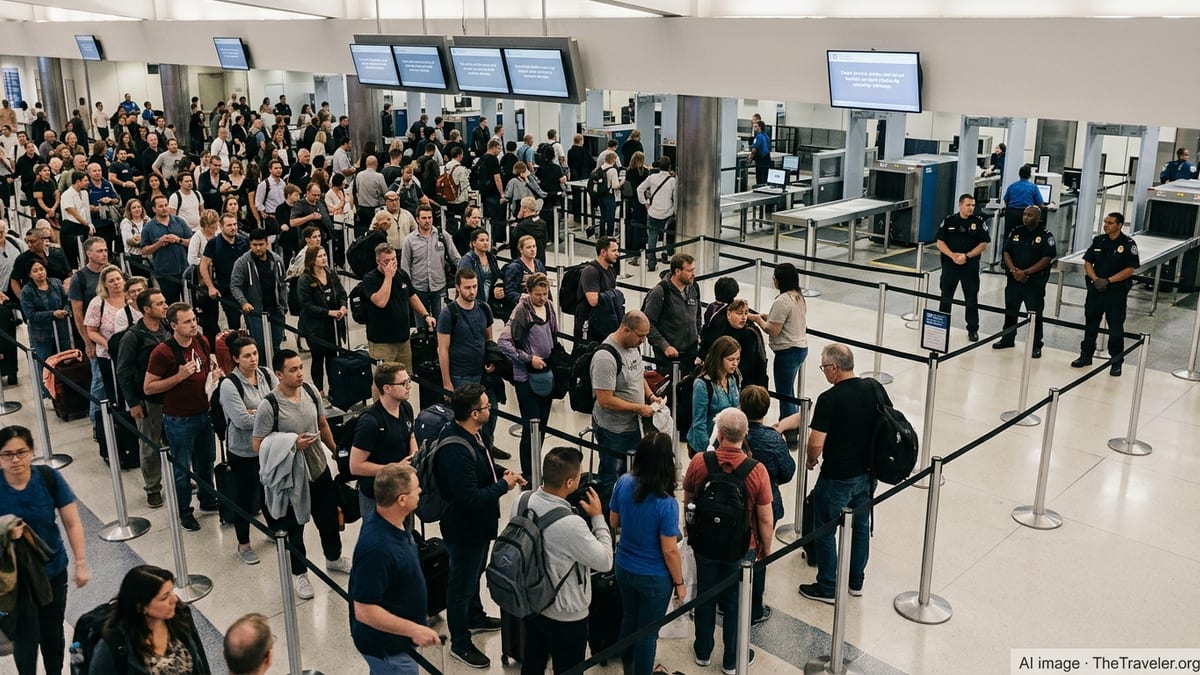
Day of Disruption at a Key West Coast Hub
Publicly available flight tracking data for San Francisco International Airport on Tuesday, June 16, 2026, indicate that 214 services were affected by delays and cancellations, with 213 flights running late and three listed as canceled. The disruption hit one of the nation’s busiest gateways on a day with more than 500 scheduled operations, leaving large numbers of passengers waiting at departure gates and in check-in halls.
The affected services spanned both domestic and international routes, with delays reported on flights bound for major U.S. cities such as Los Angeles and New York as well as long-haul connections to Europe and Latin America. While the majority of services eventually departed, the scale of the disruption meant some travelers faced missed connections and the need to rebook onto later flights.
San Francisco International Airport regularly handles more than 500 daily departures and arrivals, and the impact of delays on that scale can quickly cascade across the network. When one departure is held on the ground, incoming aircraft and onward connections are also pushed back, compounding problems throughout the day.
Weather, Airspace Limits and Runway Work Fuel Delays
Information published in recent weeks about operating conditions at San Francisco International Airport points to a combination of factors behind the heightened disruption. Weather-related congestion has been cited as a primary trigger for the June 16 event, with low clouds and changing wind patterns often forcing adjustments to arrival and departure rates in the Bay Area.
At the same time, federal air traffic management measures have placed temporary restrictions on certain landing patterns at the airport, following guidance designed to reduce risk during runway construction and maintenance work. Airport documents describing those measures forecast that roughly 15 percent of flights could face schedule impacts through late 2026, and more recent analyses suggest that as many as one in four arriving flights may now be affected on the busiest days.
Local reports have also highlighted how runway projects have reduced operational flexibility at peak times. When fewer runway combinations are available for use, even minor weather changes or traffic surges can lead to longer taxi times, holding patterns in the air, and departure queues stretching across the airfield. These effects were visible during the June 16 disruptions, when delays built through the afternoon and evening bank of flights.
Major Airlines and Key Routes Hit Hard
The carriers most affected by the latest disruption include United Airlines, which maintains a large hub at San Francisco International Airport, as well as Alaska Airlines, Delta Air Lines, and American Airlines. Together, these airlines operate a substantial share of the domestic network from San Francisco to cities across California, the Pacific Northwest, the Mountain West, and the East Coast.
Flights to Los Angeles and New York, two of the most heavily traveled corridors from San Francisco, were among those delayed, according to live departure boards and online flight status aggregators. Some transcontinental services pushed back by an hour or more, while certain short-haul routes experienced rolling delays as aircraft and crews arrived late from earlier legs.
International operations were not immune. Data from global flight-tracking platforms showed schedule adjustments on services to European hubs such as London, as well as to destinations in Mexico and Canada. Long-haul flights are particularly vulnerable when departure slots are missed, since they rely on carefully timed connections on both ends of the route.
Because San Francisco International Airport functions as a connecting hub, the disruptions rippled beyond the Bay Area. Passengers originating in other U.S. cities and connecting in San Francisco found themselves held at their departure airports or rebooked through alternate hubs when onward flights were significantly delayed.
Knock-on Effects for Passengers Across the Network
For individual travelers, the numbers behind a disruption of 213 delayed and three canceled flights translate into long lines and uncertainty. With aircraft out of position and crews bumping up against duty time limits, many passengers were asked to wait for rolling updates at the gate or to accept re-routings that would get them to their destinations later than planned.
Consumer advocacy organizations note that large-scale disruption at a hub like San Francisco can lead to missed connections not only at that airport but also at downline cities, as late-arriving flights cause passengers to miss tightly timed transfers. For some, that can mean overnight stays and additional expenses if hotels and meals are not provided.
Travel compensation specialists point out that rights and remedies depend heavily on the airline involved and the cause of the delay. In general, weather-related issues at San Francisco or along a flight’s route give airlines more limited obligations to provide cash compensation, while disruptions within an airline’s control, such as crew or maintenance problems, may trigger stronger support commitments.
For travelers who experienced lengthy waits on June 16, many will now be checking their airline’s policies on vouchers, rebooking options, and potential reimbursement for out-of-pocket costs. Some third-party services encourage passengers to submit their flight details to see whether they qualify for additional assistance under various regulations and airline promises.
What Travelers Can Expect in the Coming Months
Airport planning documents and recent financial filings indicate that San Francisco International Airport expects operational challenges to continue at least through late 2026 as runway work and federal air traffic directives remain in place. Forecasts prepared for bond investors suggest that a noticeable portion of flights will be exposed to potential delay during this period, particularly in the afternoon and evening peaks when demand is strongest.
Analyses of average delay times at the airport during the first half of 2026 already show a sharp increase compared with prior years, with some observers noting that the typical delay has multiplied several times over since spring. That trend is consistent with the heightened level of disruption reported during the June 16 event and on several other busy days.
Travel experts recommend that passengers using San Francisco International Airport build in additional buffer time for connections, especially when traveling on separate tickets or when an onward leg is the last flight of the day. Early-morning departures are often less affected by rolling delays, while midafternoon and late-evening banks have seen the greatest congestion.
For now, travelers passing through San Francisco are likely to continue encountering occasional days with widespread disruption similar to the June 16 event. As airlines and the airport work within the constraints of weather, runway availability, and federal air traffic directives, passengers are being urged by travel commentators to monitor flight status closely, stay in contact with their carriers, and plan for the possibility of extended waits during peak travel periods.