


More news on this day
A freight train derailment in downtown Durand has blocked multiple rail crossings, disrupting traffic through the city center as rail and emergency crews work to clear damaged cars and inspect track conditions.
Get the latest news straight to your inbox!
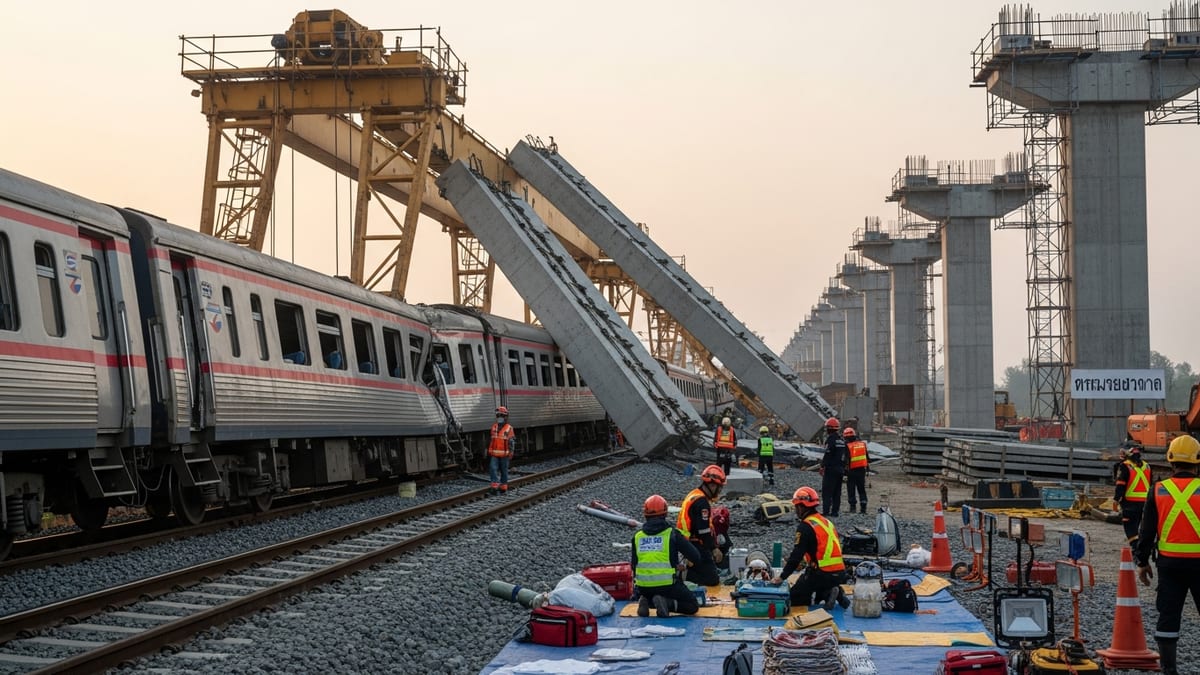
Freight Cars Off the Tracks in City Center
Reports indicate that several freight cars left the tracks near the heart of downtown Durand, coming to rest across a series of at-grade crossings that carry a steady flow of local traffic. Initial information from local coverage suggests the incident occurred near the community’s main rail corridor, where trains pass close to businesses, civic buildings, and residential streets.
Publicly available information shows that the derailed portion of the train came to a stop in a way that blocked more than one street, complicating access between different parts of the downtown grid. Drivers approaching the area encountered activated crossing gates and stationary railcars, forcing many to turn around and search for alternate routes.
There were no immediate indications from early coverage of a large fire or widespread hazardous release tied to the derailment. However, images shared through news outlets and social media channels show toppled or leaning cars, underlining the scale of the disruption along the tracks.
The train involved appears to have been a standard freight consist moving through the region rather than a passenger service. Rail operators and local responders typically treat any derailment in a populated downtown setting as a high-priority incident because of the close proximity to homes, pedestrians, and nearby road traffic.
Key Crossings Closed as Traffic Backs Up
Multiple downtown crossings in Durand remained closed in the immediate aftermath of the derailment, with crossing arms lowered and warning lights flashing. Drivers attempting to cross the tracks found themselves diverted onto side streets or forced to make lengthy detours around the blocked approaches.
Published accounts describe long lines of vehicles at some intersections as motorists tried to reorient themselves in an area where rail lines cut directly through the street network. For many residents and visitors, those crossings serve as critical connectors between neighborhoods, local shops, and community services.
The blocked crossings created added challenges for delivery trucks, school traffic, and people attempting to reach workplaces on a weekday. In similar incidents elsewhere, first responders and transit planners have raised concerns that blocked crossings can slow emergency access and lengthen response times, particularly in compact downtowns with limited alternative routes.
Local coverage indicates that drivers were encouraged to avoid the immediate downtown rail corridor and use perimeter roads where possible. Navigation apps and local radio updates began flagging congestion around the closed crossings as the situation developed.
Investigation and Recovery Work Underway
According to publicly available information, rail crews and contractors were dispatched to the site to begin inspecting the track, assessing the condition of the derailed cars, and planning the complex work of re-railing or removing equipment. That process typically involves heavy machinery, including cranes and specialized rail vehicles, and can take many hours or longer depending on the level of damage.
Standard practice in such cases involves a staged approach: securing the scene, checking for leaks or other immediate safety issues, documenting the positions of cars and track components, and then methodically moving each affected car. During this period, crossings often remain closed not only because of the derailed train itself, but also to make room for equipment and workers on and around the tracks.
Rail safety data maintained at the federal level indicates that derailments in built-up areas tend to draw particular scrutiny, especially when they interfere with public roadways. Investigations typically look at track conditions, train speed, equipment maintenance records, and any reported issues leading up to the incident. Weather, recent construction, and previous maintenance activity along the corridor may also factor into the review.
While early reporting from Durand has emphasized the traffic disruption, rail analysts often note that findings from these investigations can lead to targeted fixes such as track repairs, new inspection regimes, or changes in operating practices on heavily used downtown segments.
Community Impact and Rail Safety Context
Durand is known regionally as a rail town, and trains are a familiar feature of daily life. The derailment and resulting blocked crossings highlight the ongoing tension between the efficiency of rail freight and the challenges communities face when key routes are interrupted without warning.
Residents posting on social media platforms described frustration at unexpected delays, but also shared images and updates that helped neighbors gauge which routes remained open. Local businesses near the tracks faced shifting foot and vehicle traffic patterns as customers navigated around barricades and stalled railcars.
National data on blocked crossings and derailments show that even when incidents do not result in significant injuries, they can generate ripple effects for hours or days. Longer travel times, missed appointments, and diverted delivery routes all contribute to the broader impact of a single derailment in a small downtown.
Advocacy groups focused on grade-crossing safety point to events like the Durand derailment as reminders of the importance of up-to-date infrastructure, clear detour planning, and strong communication with the public. Some communities have explored technological tools such as real-time train tracking, crossing alert apps, and coordinated signal systems to help reduce surprise disruptions when rail traffic suddenly halts.
Next Steps for Reopening Streets and Tracks
As crews in Durand continue recovery and inspection work, the priority remains reopening the blocked crossings and restoring normal traffic patterns around downtown. Rail operators typically aim to clear derailed cars and repair any damaged track as quickly as is safely possible, while road agencies focus on removing temporary closures and recalibrating traffic controls.
Once the tracks are certified for safe operation, freight movements through the area are expected to resume under closer monitoring. In some past incidents elsewhere, railroads have implemented temporary speed restrictions or additional track inspections in the weeks following a derailment to reduce the risk of a repeat event.
Local leaders are likely to review how the closures affected access across the downtown rail corridor, including any delays experienced by public services. Those assessments sometimes feed into longer-term discussions about grade-separated crossings, upgraded warning systems, or traffic management changes near the tracks.
For now, residents and visitors in Durand are being urged through public updates and news reports to allow extra travel time, stay alert for detour signs, and give rail and road workers room to complete the cleanup and repair work that will ultimately allow downtown crossings to reopen.