

More news on this day
Travelers at Dallas–Fort Worth International Airport (DFW) faced another day of frustration today as data from flight-tracking services indicated 228 delayed departures and arrivals and four cancellations, disrupting operations for American Airlines, Southwest, Spirit, and several other carriers across the United States and on select international routes.
Get the latest news straight to your inbox!
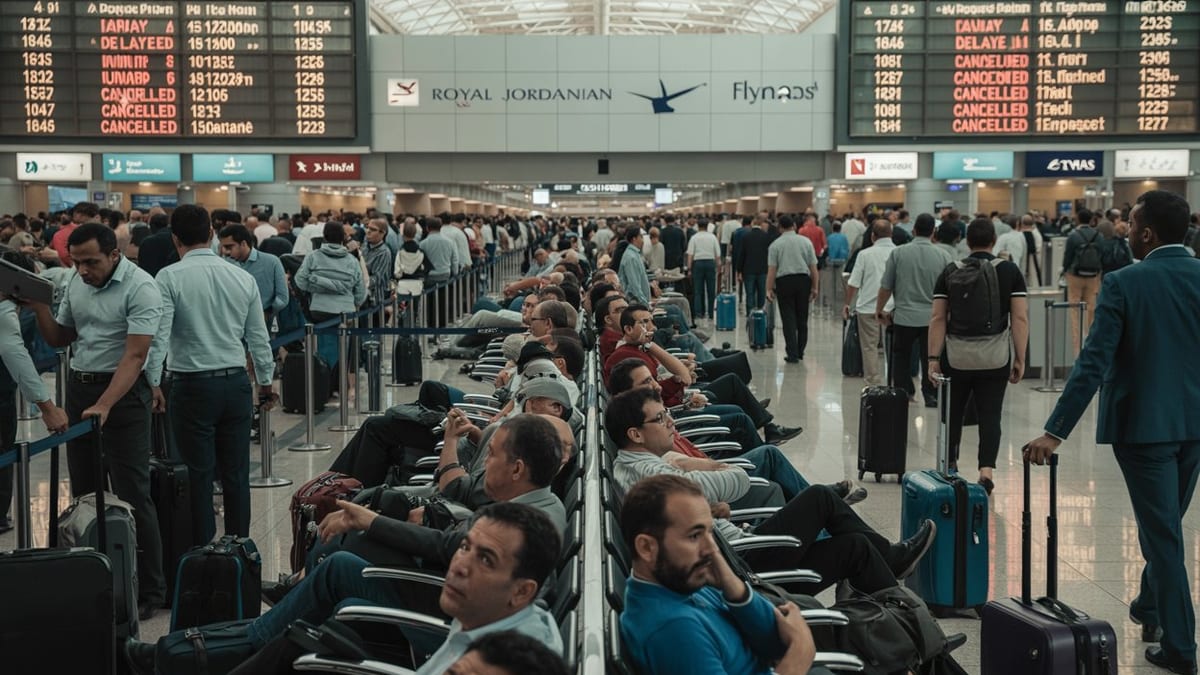
Image by Travel And Tour World
Operational Strain at One of the World’s Busiest Hubs
The disruption at DFW, one of the largest airline hubs in the world, added fresh strain to an already crowded spring travel period. Publicly available airport and flight-tracking information shows that delays accumulated throughout the day rather than stemming from a single, early-morning event, creating rolling knock-on effects for both domestic and long-haul services.
American Airlines, which maintains its largest hub at DFW, appeared to be the most affected in absolute numbers, with a sizable share of the delayed flights connected to its banked departures to major U.S. cities and international gateways. Southwest, Spirit, and other carriers serving the metro area also reported schedule disruptions, although at a smaller scale, reflecting their comparatively lower volume of operations at the airport.
The delays pushed back departures to key domestic markets including Chicago, New York, Los Angeles, Denver, and Atlanta, as well as connections to smaller regional airports across Texas and neighboring states. International connections to Europe, Latin America, and the Asia-Pacific region also experienced schedule pressure as arriving aircraft and connecting passengers missed tightly timed banks.
By late afternoon, the pattern at DFW showed a familiar mix for frequent travelers: aircraft waiting on gates, crews nearing duty-time limits, and a shortage of spare capacity to reset the schedule quickly. Even with only four outright cancellations, the high volume of delayed flights was enough to leave many passengers effectively stranded as missed connections forced rebookings onto later services.
Weather, Congestion, and Network Complexity Feed the Delays
While conditions at DFW can vary widely through the year, the airport’s role as a central hub means even modest weather or airspace constraints can cascade across the system. Recent seasons have seen a series of weather-related disruptions in North America, including severe storms and high winds that have periodically slowed or halted traffic into North Texas. Today’s delays, according to publicly available operational data, appeared to reflect a combination of congestion, traffic-management programs, and residual weather impacts within the broader national network rather than a single, dramatic storm cell directly over the airport.
Reports from airline and aviation tracking platforms suggest that when flows are restricted into major hubs, carriers often resort to schedule padding, gate holds, and ground delays to manage congestion and maintain safety margins. That approach can limit the number of outright cancellations but tends to lengthen average delay times for a large group of flights, which is what many DFW passengers experienced.
DFW’s size and complexity amplify these dynamics. With multiple parallel runways and a sprawling terminal layout, the airport is designed for high throughput. However, when operations slow, the same scale can work against recovery. Gate availability, ramp congestion, and towing logistics for parked aircraft can all contribute to longer turnaround times, especially during peak travel windows.
Travel industry analysts note that airlines increasingly rely on large hubs like DFW to concentrate connections, which improves efficiency when everything runs smoothly but leaves travelers vulnerable when disruptions occur. A delay to an early departure from DFW can ripple outward, affecting aircraft and crew availability at other airports hours later.
Impact on Passengers Across the United States and Overseas
For passengers, the numerical distinction between delayed and canceled flights can feel academic. With 228 services running behind schedule, many travelers reported missed connections and unexpected overnight stays in North Texas or in intermediate hubs when onward flights departed without them. Families on the final leg of spring break trips and business travelers heading to early-week meetings were among those scrambling to rearrange plans.
Publicly available accounts on social platforms and travel forums described long lines at customer service counters and crowded gate areas as passengers sought information about rebooking options. Some reported being rolled to flights departing many hours later, while others were rerouted through alternative hubs, adding extra stops to itineraries originally planned as simple one-connection journeys via Dallas–Fort Worth.
International travelers were particularly affected by missed long-haul connections. With many intercontinental flights operating once per day on specific routes, a late arriving domestic leg into DFW could mean a 24-hour delay for passengers heading to Europe, Asia, or key vacation destinations in Mexico and the Caribbean. In some cases, travelers reported being rebooked through rival hubs in other U.S. cities to salvage their trips.
The stranded-passenger experience at DFW has drawn increased attention in recent months as similar episodes of prolonged delays and rolling cancellations have intermittently affected operations. The latest disruption reinforced the importance for long-distance travelers of monitoring flight-status tools in real time and building buffer time into itineraries, especially during busy travel periods or unsettled weather patterns.
American, Southwest, Spirit and Others Navigate Recovery
According to published coverage of airline operations at DFW, American Airlines typically shoulders the largest share of schedule management duties when irregular operations occur, given its dominant presence and the volume of connecting passengers relying on its network. Recovery plans often involve rebalancing aircraft assignments, calling in reserve crews where available, and prioritizing flights that will feed the next major bank of connections.
Southwest Airlines, which operates from nearby Dallas Love Field as well as serving the broader Dallas region, and ultra-low-cost carriers like Spirit tend to have fewer spare aircraft and crew on hand, which can limit flexibility when delays stretch across the day. However, their point-to-point model on some routes can occasionally allow faster recovery on individual city pairs, even while larger hub-and-spoke networks work through their backlogs.
Flight-tracking and industry analysis platforms indicate that carriers have been under sustained pressure to improve reliability following several high-profile meltdowns across the U.S. system over the past few years. Today’s disruption at DFW occurred against that backdrop, highlighting how even modest numbers of cancellations can create outsized frustration when coupled with widespread, hours-long delays.
As airlines worked through the day to stabilize schedules, rebook displaced passengers, and move aircraft back into position for tomorrow’s operations, the overall pace of recovery remained gradual. Late-night departures and redeyes were expected to play a key role in absorbing some of the backlog, while travelers whose journeys depended on tightly timed connections often faced the prospect of arriving a day later than planned.
What Travelers Can Expect Next
Given DFW’s role as a central connector for both domestic and international traffic, residual impacts from today’s delays are likely to be felt into the next operating day. According to historical patterns reported in aviation performance data, airlines typically enter the morning rush with some fraction of aircraft and crews still out of position after a day of heavy disruptions.
Travelers scheduled to pass through Dallas–Fort Worth in the coming hours may encounter longer-than-usual lines at check-in and security, tighter connection windows, and higher demand for remaining seats on peak flights. Those with flexible plans may find it easier to accept rerouting via other major hubs, while passengers on sold-out routes could face fewer options.
Publicly available guidance from airlines and airport operators consistently emphasizes the value of proactive planning. Passengers connecting through DFW are frequently advised to monitor their flight status closely, use airline mobile apps to receive real-time updates, and consider travel insurance or credit-card protections that can help offset costs when disruptions lead to hotel stays or missed reservations.
For now, today’s 228 delays and handful of cancellations serve as another reminder of how quickly conditions at a major hub can shift. Even in the absence of headline-grabbing storms or full ground stops, routine operational pressures at airports like DFW can leave hundreds of travelers unexpectedly grounded, reshaping travel days across the United States and beyond.