

More news on this day
Delta Air Lines is expanding its transatlantic footprint from the U.S. West Coast with the launch of new nonstop service between Seattle–Tacoma International Airport and Rome Fiumicino, a move that deepens the carrier’s investment in Seattle and reshapes options for travelers heading to southern Europe.
Get the latest news straight to your inbox!
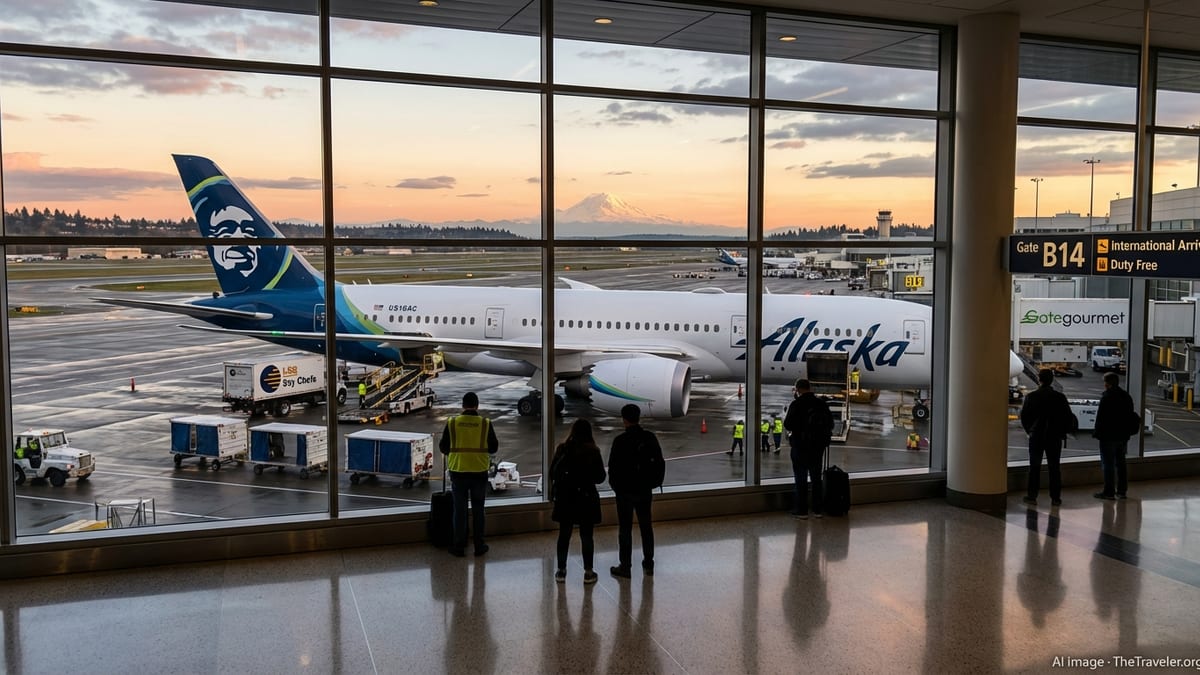
New Seattle–Rome Link Takes Off for Summer Travel
The new Seattle–Rome route is scheduled to operate four times per week during the peak summer season, giving Pacific Northwest travelers a direct link to one of Europe’s most visited capitals. Publicly available schedule data indicates that the service is timed to capture both leisure and connecting traffic, with departures designed to arrive in Italy in the morning and return to Seattle the same day.
Reports on Delta’s network plans show that the flights are operated with widebody aircraft configured for long-haul travel, offering a mix of premium and economy cabins. The service connects Seattle with Rome Fiumicino, the Italian capital’s main international gateway and a key entry point for destinations across Italy and the broader Mediterranean region.
The launch of Seattle–Rome adds another European destination to Delta’s existing transatlantic network from Seattle, which already includes nonstop links to London, Paris, and Amsterdam. With the addition of Rome and a previously announced route to Barcelona, Seattle is evolving into a more prominent launchpad for nonstops between the West Coast and southern Europe.
Industry coverage of the new flights notes that ticket sales opened well in advance of the first departure, with the aim of securing strong summer demand and building awareness in a market that has historically required connections through East Coast or European hubs.
Strategic Expansion of Delta’s Seattle Hub
Delta has spent the past decade turning Seattle–Tacoma International Airport into a major transpacific and transatlantic hub, layering international routes on top of a growing domestic schedule. Published figures indicate that the airline now operates up to around 180 daily departures from Seattle to more than 60 destinations, positioning the airport as one of its key coastal gateways.
The new nonstop to Rome is part of a broader strategy to diversify Delta’s European offerings beyond traditional business centers in northern Europe. By adding leisure-focused destinations in Italy and Spain, the airline is targeting travelers seeking direct access to holiday hotspots as well as those connecting onward to cruises or rail networks.
According to airline network analyses, the Seattle–Rome addition feeds into an expansive transatlantic schedule that has been described as the largest in Delta’s history by weekly flights and destinations. The carrier has been steadily increasing its presence in Italy in particular, adding or growing service from U.S. hubs to cities such as Naples and other key tourist gateways.
For Seattle, the route underscores the airport’s role as a battleground for long-haul international traffic. The presence of multiple large airlines using the city as a springboard for flights to Europe and Asia has contributed to a competitive environment, with network decisions watched closely by aviation observers and local travelers alike.
Competitive Pressure in the Seattle–Europe Market
The move into Seattle–Rome also carries a clear competitive dimension. Aviation reporting points out that Alaska Airlines, Seattle’s largest based carrier, has its own plans for a nonstop link between Seattle and Rome, using newly acquired long-haul aircraft. Delta’s service, launching in the same time frame, positions the Atlanta-based airline as a direct rival on one of the region’s highest-profile new routes.
Analysts note that the overlapping plans reflect strong underlying demand for West Coast–to–Italy travel, but they also highlight a broader contest for customer loyalty in Seattle. Delta has grown from a limited presence to a robust hub operation, while Alaska has moved into long-haul intercontinental flying, setting the stage for intense competition on new transatlantic city pairs.
With Delta already offering nonstop service from Seattle to major European hubs, the addition of Rome and Barcelona broadens the carrier’s reach into markets that historically required connections via London, Paris, Amsterdam, or East Coast cities. That expansion gives Seattle-area travelers more choice across alliances and frequent flyer programs, while also potentially putting pressure on fares, particularly outside peak holiday periods.
Industry commentary suggests that this type of route overlap can lead airlines to adjust schedules, aircraft type, and onboard product to differentiate themselves, especially for premium-cabin travelers willing to pay more for nonstop service and upgraded amenities on long-haul flights.
Onboard Experience and Aircraft Deployment
Delta’s Seattle–Rome flights are planned to be operated by Airbus A330-900neo aircraft, according to the airline’s previously published route announcements. This next-generation widebody is configured with a high share of premium seating and long-haul amenities, which the carrier has been emphasizing across its transatlantic network.
The aircraft typically features Delta One business-class suites with lie-flat seats and sliding privacy doors, a premium economy cabin marketed as Delta Premium Select, and the Delta Comfort and Main Cabin sections. Public information on the airline’s service model highlights upgraded dining, curated beverage offerings, and enhanced in-flight entertainment, particularly in the premium cabins.
Positioning the A330-900neo on routes such as Seattle–Rome allows Delta to align cabin mix with demand from both leisure and higher-yield travelers. Aviation analysts have noted that West Coast–Europe routes often attract a blend of vacationers, technology and corporate travelers, and passengers connecting from other U.S. cities via Seattle, creating a diverse revenue profile for airlines.
The deployment of modern widebodies is also part of a broader fleet strategy that includes shifting aircraft among transpacific and transatlantic networks. Recent fleet updates indicate that Delta is refining its long-haul assignments as additional Airbus A350 and A330neo aircraft join the fleet, giving it flexibility in matching capacity to seasonal patterns and competitive developments.
What the New Route Means for Travelers
For travelers in the Pacific Northwest, the start of Seattle–Rome service significantly shortens the journey to Italy’s capital. Instead of routing through traditional East Coast gateways or European hubs, passengers can now board a single flight from Seattle and arrive in Rome in time for a full day of sightseeing, onward connections, or business meetings.
Travel industry observers suggest that the route will appeal strongly to leisure travelers seeking access to Rome’s historic center, as well as popular destinations such as the Amalfi Coast, Tuscany, and nearby cruise departures from Italian ports. The connection also links Seattle’s growing technology and tourism sectors with one of Europe’s most visited metropolitan areas.
The addition of Rome to Delta’s Seattle network may encourage more travelers to consider the city as a starting point for broader European itineraries, using Italy’s extensive high-speed rail network and short-haul flights to reach other countries. For frequent flyers, the new service offers additional opportunities to earn and redeem miles on a nonstop long-haul route that did not previously exist from the West Coast gateway.
As airlines continue to adjust their networks in response to demand patterns and competitive moves, the Seattle–Rome launch stands out as a notable example of how carriers are reshaping transatlantic travel beyond traditional hubs, bringing new nonstop options closer to where travelers live.