

More news on this day
Dozens of travelers at Austin-Bergstrom International Airport faced long waits and uncertain itineraries on Sunday as Delta Air Lines and United Airlines recorded at least three flight cancellations and a series of rolling delays affecting routes to Boston, Albuquerque, Amarillo, Atlanta and other major destinations.
Get the latest news straight to your inbox!
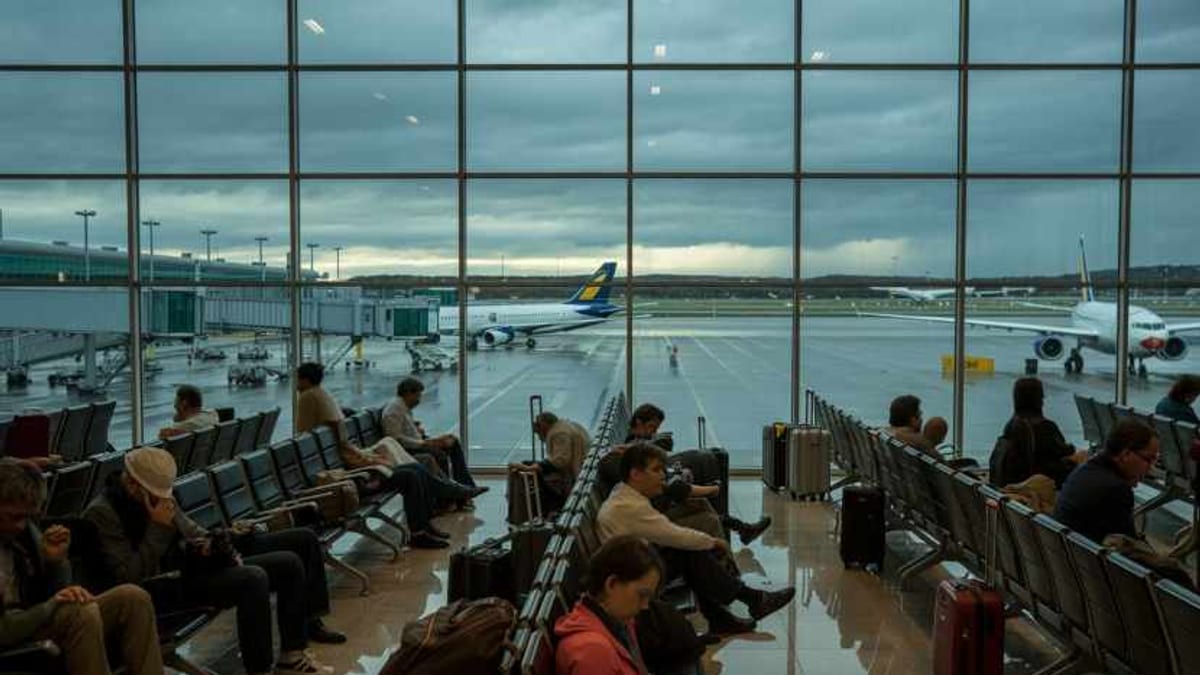
Image by Travel And Tour World
Delays Mount at Growing Austin Hub
Publicly available flight-status boards for Austin-Bergstrom International Airport on March 29 show scattered disruptions concentrated among a handful of Delta Air Lines and United Airlines departures and arrivals. While most services operated, at least three flights on the two carriers were listed as canceled, with several more marked as delayed by an hour or longer. The pattern left passengers clustered around gates through the morning and into the afternoon as they waited for updated departure times.
Reports from aviation tracking tools indicate that the issues were not confined to a single time block. Early morning departures to larger hubs appeared to set off a chain reaction, with late-arriving inbound aircraft forcing schedule adjustments on subsequent legs. For travelers attempting to connect beyond Austin, each new delay compressed layovers or broke them entirely, generating rebookings and overnight stays.
The disruptions unfolded at an airport that has been straining to keep pace with Central Texas growth. Austin-Bergstrom has repeatedly highlighted record passenger volumes in recent years, and local discussions frequently point to gate limitations and ramp congestion. When even a small number of flights encounter operational problems, the constrained infrastructure can magnify the impact across multiple airlines, particularly during peak departure banks.
Among the affected travelers were those heading to both business and leisure destinations at the start of a busy spring travel period. With South by Southwest and other seasonal events recently concluded, Austin remains in a high-demand window where aircraft are often operating near full capacity. That leaves limited slack in the system to absorb cancellations or extended holds at the gate.
Ripple Effects on Boston, Albuquerque, Amarillo and Atlanta Routes
The impact of Sunday’s disruptions extended beyond Central Texas. Schedules show that flights touching Austin were feeding a web of routes across the United States, including services to and from Boston, Albuquerque, Amarillo and Atlanta. When an Austin departure is canceled or significantly delayed, the aircraft, crew and connecting passengers it carries can be out of position for the next leg, stretching the disruption across regions.
For Boston-bound travelers, delays at Austin coincided with a generally busy period for transcontinental flying. Publicly available data for major New England airports in March indicate that weather systems earlier in the month have already tested operations across several carriers. Even on a relatively calm day, residual aircraft rotations and crew schedules shaped by that earlier turbulence can leave little margin for error when new problems emerge in another part of the network.
Flights involving Albuquerque and Amarillo illustrate how secondary markets can feel an outsized impact from irregular operations. These routes often rely on fewer daily frequencies, so a single cancellation can erase a large portion of available capacity between cities. Travelers attempting to reach those destinations from Austin on Sunday frequently had to accept extended connections through alternative hubs, overnight stays, or substantial backtracking to secure new itineraries.
Atlanta services are particularly sensitive to disruptions because of the city’s role as a major connecting hub. Operational challenges on routes between Austin and Atlanta can cascade through hundreds of onward connections. Publicly available information about recent storms and capacity pressures in the southeastern United States suggests that crews and aircraft were already in high demand, increasing the likelihood that even modest problems in Austin would ripple outward.
Weather and System Strain Underpin Operational Challenges
Although weather in Austin itself appeared relatively benign on Sunday, national data for March show a broader pattern of disruptive conditions across North America this season. A powerful midmonth blizzard and associated severe weather led to widespread delays and cancellations at multiple hubs, including some served by Delta Air Lines and United Airlines. Aviation analysts frequently note that the effects of major storms can linger for days or weeks in the form of aircraft and crews circulating out of their ideal patterns.
Industry coverage throughout early 2026 has also highlighted the ongoing challenge of balancing rapidly recovering demand with finite staffing and airport capacity. Both Delta and United have resumed or expanded routes from Austin and other fast-growing markets in recent years, but ground operations have sometimes struggled to keep pace. Discussions in aviation and local travel forums regularly reference long waits for gates at Austin-Bergstrom and tight turn times that leave little room for last-minute maintenance or crew rest issues.
On Sunday, the combination of these structural pressures and ordinary operational hiccups, such as minor maintenance checks or crew timing constraints, likely fed into the disruptions visible on departure boards. When a scheduled aircraft cannot depart on time, carriers must decide whether to hold connecting passengers, protect on-time performance on later legs, or reshuffle jets and crews. Each option can create winners and losers among travelers, with some itineraries salvaged and others left in limbo.
Publicly available performance data from transportation regulators underscore how sensitive airline operations have become to these compounding factors. While overall completion factors remain relatively high compared with the height of the pandemic, the margin between a routine day and a highly disruptive one can be slim when infrastructure and staffing are tightly calibrated to demand.
Passengers Confront Long Lines and Limited Alternatives
As word of the cancellations and delays spread through the terminal, passengers at Austin-Bergstrom turned to airline apps, self-service kiosks and customer service counters in search of alternatives. Social media posts and online community discussions referenced long queues at some rebooking desks, particularly for travelers bound to or from smaller markets with limited same-day options.
For those scheduled on Delta and United services, the search for backup itineraries was complicated by high load factors and spring travel demand. Many later flights were already booked close to capacity, especially on popular routes to major hubs. Some travelers reported electing to route through entirely different cities or switch to other airlines, often at additional personal expense, to avoid extended delays or overnight stays in Austin.
Families traveling with children and individuals with tightly timed business commitments appeared to face the most difficult choices. Published consumer guidance from travel advocates emphasizes the value of flexible tickets, early-morning departures and travel insurance during peak seasons, but these tools cannot always eliminate the disruption when flights are canceled outright or significantly delayed.
With hotel availability near the airport tightening as the day progressed, a subset of stranded travelers reportedly turned to friends and relatives in the Austin area or opted to wait out the disruption in the terminal. Austin-Bergstrom’s ongoing terminal expansion projects, widely discussed in local planning documents, aim to ease congestion in the years ahead, but on Sunday the existing concourses were once again tested by crowding.
What Sunday’s Events Signal for Spring and Summer Travel
The difficulties that unfolded at Austin-Bergstrom on March 29 offer an early snapshot of the pressures that could shape air travel through the rest of the spring and into the busy summer period. With demand holding strong and airline schedules dense, even a handful of cancellations and a cluster of delays on key carriers such as Delta and United can quickly strain an airport operating close to its physical limits.
Publicly available planning documents and airline announcements indicate that both carriers continue to see Austin as a strategically important growth market, connecting Central Texas to an expanding network of domestic and international destinations. As routes to cities like Boston, Albuquerque, Amarillo and Atlanta mature, airlines are likely to fine-tune schedules and aircraft assignments, potentially improving resilience but also raising stakes when irregular operations occur.
Travel industry observers suggest that passengers flying through Austin in the coming months build additional buffer time into connections, especially if their itineraries involve smaller markets with only one or two daily flights. Booking earlier departures where possible, monitoring flight status closely in the 24 hours before travel, and maintaining backup plans for critical trips may help mitigate the impact of sudden disruptions.
For now, Sunday’s episode serves as a reminder that the aviation system remains finely balanced. Stranded travelers at Austin-Bergstrom found themselves at the intersection of local capacity constraints, national weather aftershocks and the operational realities of two of the country’s largest airlines. As the season progresses, how quickly carriers and airports adapt to these pressures will help determine whether such incidents remain isolated or become a recurring feature of the 2026 travel landscape.