

More news on this day
Delta Air Lines has suspended a suite of special travel perks for members of Congress and their staff until the current Department of Homeland Security funding standoff is resolved, sharpening public focus on how lawmakers move through the nation’s airports while frontline federal workers go unpaid.
Get the latest news straight to your inbox!
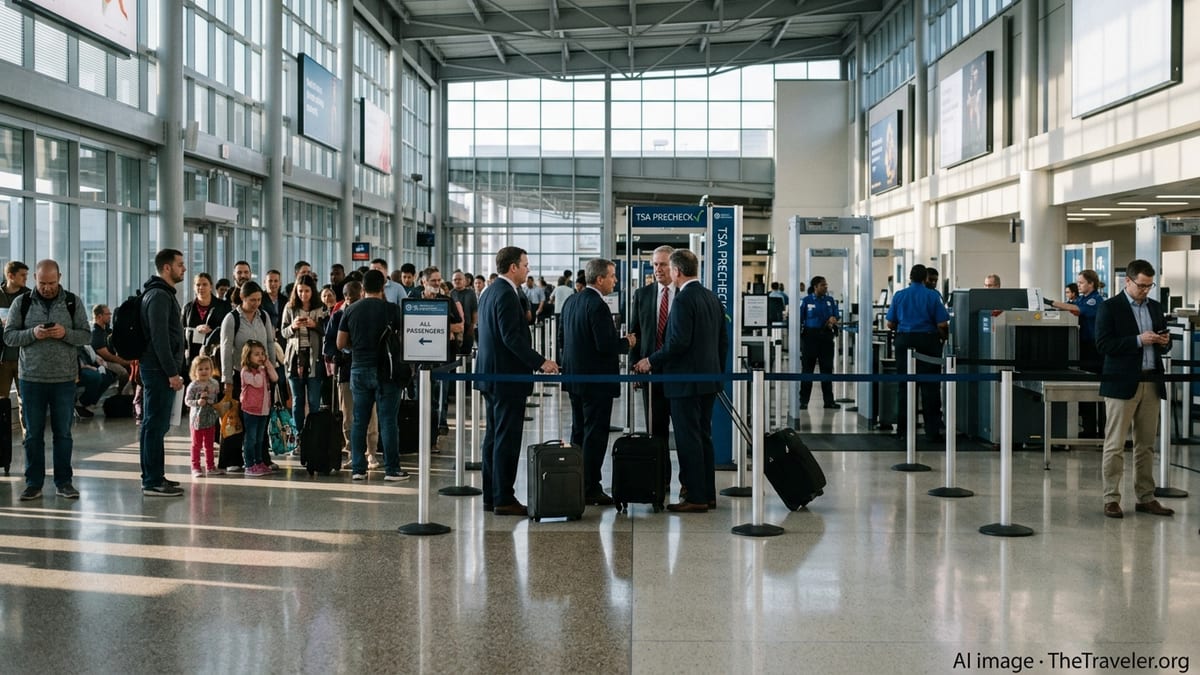
Delta Targets Congressional Privileges During Funding Standoff
According to published coverage, Delta has halted its dedicated congressional desk and related services that quietly streamlined travel for lawmakers on Capitol Hill. The move comes as a partial shutdown of the Department of Homeland Security continues to disrupt airport operations and leave Transportation Security Administration employees working without pay.
Reports indicate the carrier’s decision removes a long-standing VIP channel that helped legislators and senior staff navigate busy hubs with far less friction than ordinary travelers. Publicly available information shows that the change will remain in place until Congress approves funding that restores normal DHS operations.
Delta has framed the suspension as a response to strained resources across the aviation system. As delays, staffing shortages and mounting pressure on federal airport personnel grow, the airline is signaling that extra attention for elected officials is no longer a priority while regular passengers and unpaid security staff bear the brunt of the shutdown.
What Perks Are Being Put On Ice
Reports describe the affected benefits as a specialized layer of service that went well beyond standard frequent flier status. The now-suspended congressional desk assisted with priority booking, last minute itinerary changes and coordination around tight vote schedules, effectively functioning as a bespoke travel concierge for lawmakers and key aides.
Publicly available accounts indicate that the program also enabled easier access to premium seating and facilitated smoother movement through airports via coordinated assistance from Delta staff. While it did not directly control federal security lanes, the package of services helped reduce time spent in crowds and minimized day of travel uncertainty for officials rushing between Washington and their home districts.
Industry observers note that such perks have long been part of the ecosystem that helps members of Congress juggle intense travel demands. By suspending these benefits during the shutdown, Delta is resetting expectations about what kinds of extras can be justified at a moment when large numbers of aviation workers are either furloughed or working without pay.
Shutdown Fallout Spreads Across U.S. Air Travel
The decision unfolds against a backdrop of compounding pressures on the national air travel system. Public reporting on the current shutdown details extended security wait times at major airports, with some facilities temporarily closing checkpoints or consolidating screening lanes as staffing gaps widen.
Air traffic controllers and TSA officers have become symbols of the human cost of the funding lapse, continuing to work critical safety and security shifts while paychecks are delayed. Aviation unions and traveler advocacy groups have warned that prolonged financial strain on these employees risks both service reliability and long term workforce stability.
In this environment, any perception that elected officials enjoy a smoother, faster or more comfortable path through airports has become particularly sensitive. Delta’s move aligns the experience of members of Congress more closely with that of the traveling public at a time when frustration with uneven impacts of the shutdown is rising.
Public Reaction and Political Optics
Reaction to the suspended perks has been swift across social platforms and commentary from political watchers. Many responses frame Delta’s step as a symbolic effort to make lawmakers feel more directly the consequences of their budget impasse, echoing past proposals to withhold congressional pay during shutdowns so that elected officials share in the disruption.
According to published commentary, critics of the old arrangement argue that special treatment at airports has helped insulate members of Congress from the day to day realities facing average travelers. Supporters of that view contend that if lawmakers are inconvenienced by the same lines, delays and cancellations affecting everyone else, there may be stronger incentives to quickly restore funding.
Others caution that targeting perks does little to resolve the complex policy disputes at the heart of the shutdown. They note that while the suspended services are highly visible, the most urgent problems remain the financial hardship for unpaid federal workers and the operational strain on systems that keep air travel safe and efficient.
What It Means For Future Airline-Lawmaker Relations
Delta’s decision may mark a subtle but important shift in how airlines balance commercial pragmatism with political relationships. Carriers have long sought to maintain cordial ties with lawmakers who influence aviation policy, infrastructure investment and regulatory oversight. Yet the current crisis is highlighting that public perception and employee morale can outweigh the benefits of quietly maintained VIP arrangements.
Travel industry analysts suggest other airlines will be watching closely to see how the suspension plays out. If the move is broadly popular with passengers and staff, and if it does not significantly complicate legislative travel, similar rethinking of special access programs for public officials could follow across the sector.
For now, Delta has tied restoration of the congressional perks directly to the end of the shutdown, creating a clear benchmark that also serves as a pointed reminder of who controls the levers of government funding. As airport lines lengthen and pressure builds to resolve the impasse, the suspension of these services underscores how the political deadlock in Washington is reshaping even the most exclusive corners of the travel experience.