


More news on this day
Passengers on Delta Connection flight DL5294 from Raleigh–Durham to New York John F. Kennedy International Airport faced unexpected disruption when the Bombardier CRJ900 regional jet diverted to Allentown, Pennsylvania, instead of continuing to New York.
Get the latest news straight to your inbox!
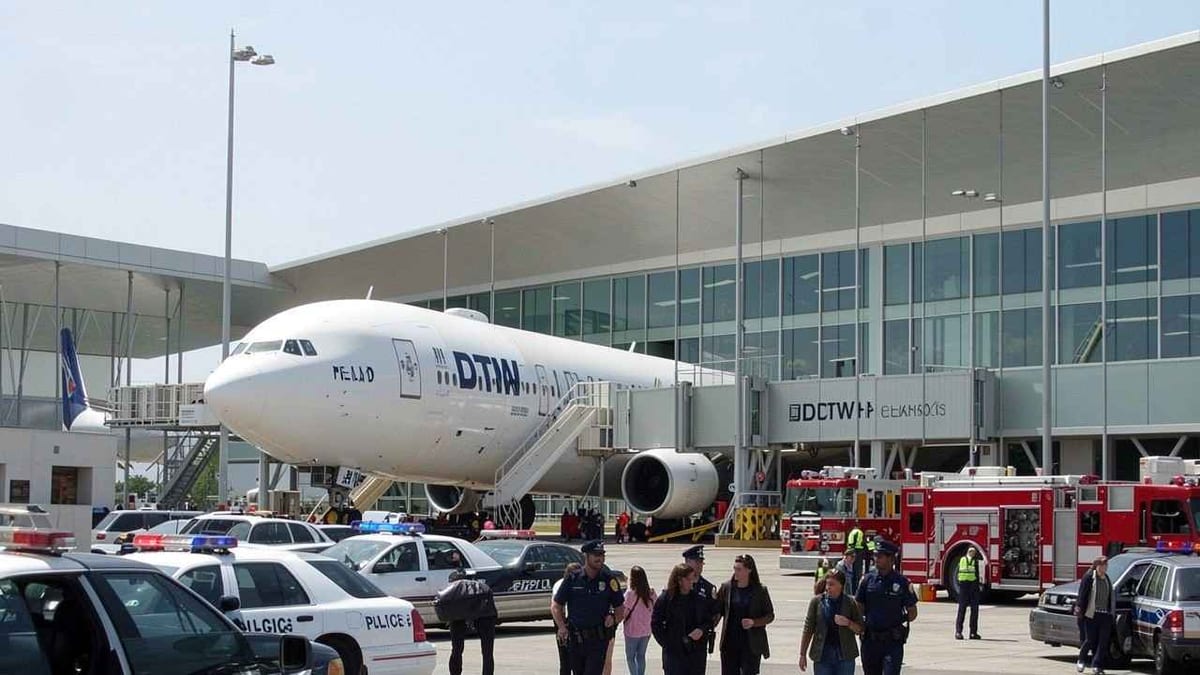
What Is Known About Delta Flight DL5294
Publicly available flight-tracking and schedule data indicate that DL5294 operates as a Delta Connection service between Raleigh–Durham International Airport and New York JFK using a Bombardier CRJ900, typically with around 76 seats. The service is usually a short sector of roughly one hour and forty minutes, connecting one of Delta’s key southeastern spokes with its transatlantic gateway in New York.
On the affected operation, the aircraft departed Raleigh–Durham but did not complete its scheduled journey to JFK. Instead, it diverted to Lehigh Valley International Airport in Allentown, Pennsylvania, landing safely after what appears to have been a routine but unplanned change of destination. There are no public indications of an onboard medical emergency or security concern, and no distress code has been widely reported in connection with this flight.
The flight was operated by a regional partner on behalf of Delta, in line with the usual arrangement for CRJ900 services. These regional flights are integrated into Delta’s wider network and often carry a mix of local travelers and connecting passengers heading onward from JFK to long haul or transcontinental destinations.
At the time of writing, no detailed cause for the diversion has been formally published. Available data instead point to broader operational pressures in the New York area, which can include air traffic flow management restrictions, congestion and weather-related slot constraints that ripple across multiple carriers.
Possible Triggers Behind the Diversion
While the airline has not issued a detailed public explanation specific to DL5294’s diversion to Allentown, several plausible factors emerge from the broader operational picture in the northeastern United States. Summer schedules bring dense traffic into New York’s three main airports, and any combination of thunderstorms, low visibility or runway and taxiway congestion can quickly saturate arrival capacity.
In such situations, air traffic control programs can impose extended holding or ground stops for inbound flights heading to JFK. When holding times risk pushing an aircraft toward fuel or crew duty limits, or when arrival slots become too constrained, diverting to an alternate airport with available ramp space and services can be the more predictable and controlled option.
Allentown’s Lehigh Valley International Airport often serves as a practical diversion field for flights bound for New York or Philadelphia. It offers a comparatively uncongested environment, adequate runway length, and the ability to manage fuel, maintenance checks and passenger handling for narrowbody and regional aircraft. For a CRJ900, the airport provides a suitable operational alternative with shorter taxi and turnaround times than might be possible at a fully saturated New York hub.
Operational disruptions of this type rarely stem from a single cause. Weather patterns across the region, crew scheduling constraints, air traffic initiatives and gate availability at JFK can interact in ways that leave carriers with few immediate choices. Diverting to Allentown allows the airline to stabilize the situation, refuel if needed and rework the onward schedule.
Impact on Passengers and Connections
For travelers on DL5294, the diversion translated into unplanned time on the ground at an intermediate airport and, in many cases, missed connections in New York. Passengers using the Raleigh–Durham to JFK link frequently connect to transatlantic services, West Coast flights or other domestic routes that operate on tight banks through Delta’s Terminal 4 operation at JFK.
Once the aircraft reached Allentown, the airline’s priority would typically shift to ensuring the continued safety and welfare of passengers, including access to the terminal, restrooms and basic refreshments while a revised plan is arranged. Depending on aircraft and crew availability, options may include repositioning the same aircraft onward to JFK once constraints ease, sending a replacement aircraft, or transporting passengers by ground to New York if that offers a faster resolution.
From a network perspective, a diversion has a cascading effect. Seats that had been counted on for connecting itineraries at JFK suddenly disappear from the flow, and rebooking efforts can stretch across multiple later departures. Passengers may find themselves moved to alternative flights from JFK, LaGuardia or even Newark, or offered routings through intermediate hubs such as Atlanta or Detroit to reach their final destinations.
Travelers booked in premium cabins or holding elite frequent flyer status may have access to dedicated customer service channels, but the fundamental challenge is the same for all affected customers: limited capacity on peak-day flights and a compressed window for making onward connections. In such situations, the fastest available rebooking option may not be the most direct route originally planned.
How Delta and Its Regional Partners Manage Diversions
Delta and its regional affiliates operate detailed contingency playbooks for diversions, particularly in the busy summer months. When a flight such as DL5294 cannot proceed to its intended destination, operations teams must coordinate rapidly across flight dispatch, crew scheduling, airport teams and customer service to keep both the diverted aircraft and its passengers moving.
At an alternate airport like Allentown, the carrier may rely on a mix of local ground handlers and remote operations support to process passengers, manage baggage and prepare the aircraft for any onward sector. Decisions about whether to continue the flight to JFK, reposition empty, or cancel the remaining sector are influenced by crew duty-time rules, maintenance windows, and the evolving conditions at the original destination.
Regional jets such as the Bombardier CRJ900 introduce additional complexity. Their shorter range and fuel margins compared with larger mainline aircraft can make long holding patterns around New York less practical, increasing the likelihood of a diversion when congestion or weather persists. At the same time, their smaller passenger counts can make it somewhat easier to rebook everyone onto later services or to consider bus transport in some cases.
From the customer standpoint, disruption policies are shaped by each airline’s contract of carriage. In practice, passengers affected by a diversion that is linked to operational or weather constraints are generally entitled to rebooking at no additional fare, though options for compensation, accommodation or meal support vary by situation and jurisdiction.
What Travelers Can Learn from the DL5294 Disruption
The experience of DL5294’s diversion to Allentown offers a reminder of the vulnerability of short-haul feeder flights into heavily congested hubs. Even when the originating airport appears to be operating smoothly, conditions at the destination or en route can trigger rapid changes that are difficult to foresee at the time of booking.
For travelers with critical connections through New York, especially late-afternoon or evening departures that link to long haul flights, building in additional buffer time can provide valuable flexibility. Selecting earlier feeder flights, or choosing itineraries with alternative hub options, may reduce the risk that a single diversion cuts off access to an onward journey.
Passengers can also benefit from monitoring their flights through airline apps and independent flight-tracking services, which often show holding patterns, route changes and diversion decisions in near real time. While such tools cannot prevent disruption, they can help travelers anticipate missed connections and begin considering alternative options before reaching the ground.
As airlines continue to run dense schedules across the northeastern corridor, diversions like that experienced by Delta flight DL5294 are likely to remain an occasional feature of summer travel. Understanding how and why they occur can help passengers respond more calmly when a routine hop between Raleigh–Durham and New York suddenly includes an unexpected stop in Allentown.