


More news on this day
JetBlue flight B6376, an Airbus A320 operating a scheduled service from Fort Lauderdale to Philadelphia on July 6, diverted to Pittsburgh International Airport amid broader operational disruption affecting parts of the U.S. East Coast, according to live flight-tracking data and publicly available airport information.
Get the latest news straight to your inbox!
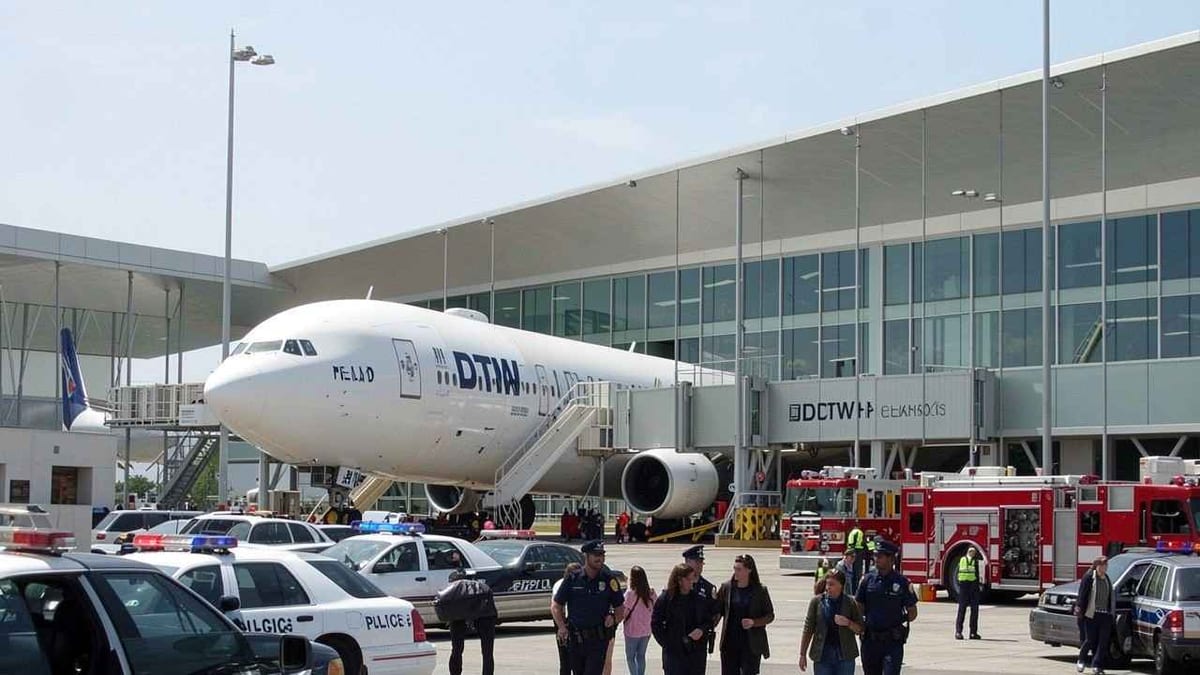
What Happened on JetBlue Flight B6376
Flight B6376 departed Fort Lauderdale–Hollywood International Airport overnight local time for Philadelphia International Airport as part of JetBlue’s regular Fort Lauderdale to Philadelphia schedule. Flight-tracking platforms show that the Airbus A320 left South Florida in the early hours of July 6 and initially followed the standard northbound routing toward the Mid-Atlantic region.
Instead of continuing directly to Philadelphia, the aircraft diverted to Pittsburgh International Airport. Tracking records indicate that the jet landed safely in Pittsburgh before later continuing its journey, with the flight number subsequently reusing the B6376 designation on a Pittsburgh to Philadelphia sector.
The diversion changed what is typically a straightforward point-to-point flight into a multi-leg trip, adding at least one extra sector and additional time on the ground for passengers. No injuries or emergencies have been publicly reported, and available data suggests the diversion was managed as an operational adjustment rather than a safety event on board.
While specific reasons for an individual diversion are not always disclosed in real time, the change in routing occurred as parts of the East Coast airspace faced weather- and volume-related strain that had knock-on effects across multiple airlines and routes.
East Coast Weather and Airspace Pressures
The diversion of flight B6376 occurred against a backdrop of unsettled summer weather and heavy traffic along the Eastern Seaboard, conditions that often combine to disrupt schedules. Thunderstorms, low clouds, and reduced visibility in key corridors can quickly reduce arrival and departure capacity at large hubs, forcing air traffic managers to impose ground delays, reroutes, and, in some cases, temporary holds or diversions.
In recent days, publicly available air traffic discussions and traveler reports have highlighted widespread delays and diversions in the Northeast, with some flights routed significantly west of their usual tracks to avoid storm systems and congestion. These kinds of constraints can make it difficult for flights headed into busy airports such as Philadelphia to maintain their planned arrival times or, in some cases, to secure a landing slot within required crew-duty limits.
Operational disruptions along the East Coast tend to cascade, as aircraft and crews scheduled for one route are needed for later departures from other cities. A single delay or diversion can therefore influence subsequent flights throughout the day, especially for carriers with dense networks in Florida and the Mid-Atlantic.
In this context, sending B6376 to Pittsburgh provided an alternate airport with available capacity and suitable facilities, allowing the aircraft to land, refuel if needed, and reset for a shorter onward hop into Philadelphia once conditions and scheduling permitted.
Why Pittsburgh Was Chosen as the Diversion Airport
Pittsburgh International Airport serves as a significant Mid-Atlantic facility and features in JetBlue’s existing network map as both a destination and origin for flights to and from Fort Lauderdale and other cities. That existing presence typically means the airline has established ground-handling arrangements, gate access, and local support that can be scaled up quickly when irregular operations occur.
For a Fort Lauderdale to Philadelphia routing, Pittsburgh lies to the west of the usual direct track, but still within a relatively short flying distance of the original destination. This geographic position can make it an attractive alternate when weather or traffic constraints impact airports along the immediate coastal corridor.
Using an airport where the carrier already operates also simplifies the process of refueling, handling baggage, and coordinating with local teams to assist customers. Publicly available schedule data for 2026 shows JetBlue linking Pittsburgh with Fort Lauderdale and other East Coast destinations, underscoring the role of the city as a secondary node in the airline’s broader network.
From the perspective of air traffic control and airline operations planning, diverting to a known station like Pittsburgh can be more efficient than aiming for a smaller or less familiar alternate, even if the latter might be slightly closer to the original route.
What the Diversion Means for Affected Travelers
For passengers on B6376, the diversion likely resulted in an extended journey time, additional time spent on the ground, and a delayed arrival into Philadelphia compared with the original schedule. Depending on the timing, some travelers may have missed onward connections, early-morning commitments, or ground transportation arrangements planned around the scheduled landing time.
In irregular-operation scenarios such as this, rebooking and assistance options typically depend on the cause of the disruption, the length of the delay, and the airline’s applicable policies at the time. When adverse weather and airspace constraints are involved, carriers often classify the situation as outside their direct control, though they may still provide options to rebook travelers on the next available flights or to adjust itineraries without change fees where flexibility policies allow.
Travelers experiencing diversions are generally advised to monitor their booking through the airline’s official channels and mobile app for the most current flight status and gate information. Notification systems can update customers about revised departure times from the diversion airport, baggage arrangements, and any adjustments to connecting flights.
Those with time-sensitive plans in Philadelphia, such as cruise departures, events, or tightly scheduled business meetings, may need to coordinate alternative arrangements in case of extended delays, especially when operational disruptions affect multiple flights across a region.
Key Takeaways for Flyers on Busy Summer Routes
The events surrounding JetBlue flight B6376 highlight how quickly a routine domestic flight can change when weather and airspace pressures intensify along the East Coast. Even with modern forecasting tools and traffic management programs, thunderstorms and congestion continue to be among the most common reasons for delays and diversions in the United States, particularly during peak summer travel months.
For travelers planning similar routes between Florida and the Mid-Atlantic, recent disruptions reinforce the value of building extra time into itineraries, especially when connecting to cruises, international flights, or major events. Booking earlier arrivals, avoiding last-minute same-day connections where possible, and considering travel insurance that addresses weather-related disruption can all help reduce the impact of unexpected changes.
The diversion of B6376 to Pittsburgh also underscores the role of secondary airports in managing irregular operations. Cities like Pittsburgh can provide vital relief valves for busy coastal hubs when conditions deteriorate, allowing airlines to keep aircraft moving and maintain at least partial schedule integrity.
While diversions are frustrating for passengers in the moment, they remain an important safety and operational tool that allows flights to complete journeys under challenging conditions, even if that journey takes a less direct path than originally planned.