


More news on this day
Travelers across the United States faced renewed disruption as Denver International Airport logged around 170 delayed departures and one cancellation, with knock-on impacts reported on Southwest, SkyWest, Frontier and other carriers operating routes to San Francisco, Orlando, Seattle and additional cities.
Get the latest news straight to your inbox!
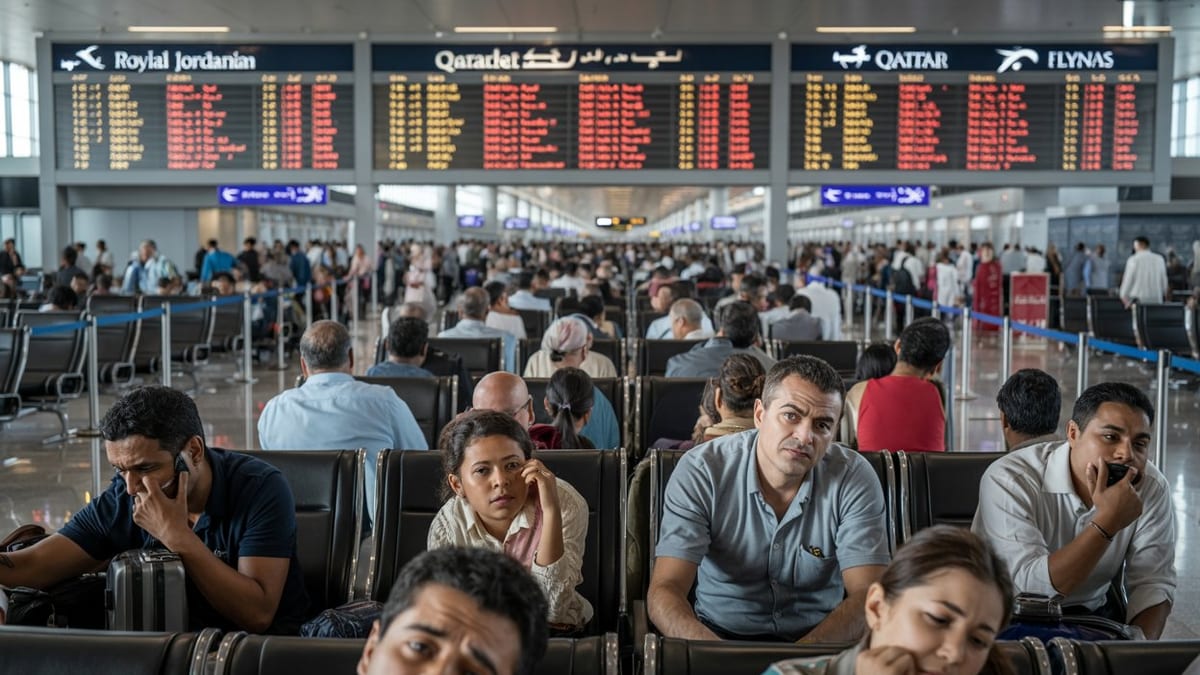
Delays at a Key National Hub Ripple Across Networks
The latest disruption at Denver International Airport underscores how quickly problems at a major hub can echo nationwide. Publicly available tracking data on May 8 showed roughly 170 delayed flights and a single cancellation tied to departures from Denver, a key base for Southwest, United, Frontier and regional operator SkyWest. Even with only one formal cancellation recorded, the volume of delayed departures translated into widespread schedule changes for thousands of passengers.
Denver functions as a central connection point between the U.S. East and West coasts, as well as for north south traffic into Mexico and Canada. When departures stack up, aircraft and crews rapidly fall out of position, causing late arrivals into other airports and subsequent delays on later legs. That dynamic appeared to be playing out again on Wednesday, with services to major coastal gateways among those affected.
As delays accumulated, travelers on both nonstop and connecting itineraries reported extended ground holds and rolling schedule changes. Because many Denver routes operate at high frequency, even a small percentage of disrupted flights can leave gate areas crowded while airlines work to reshuffle equipment and available crew.
Operational dashboards published by the airport show that carriers using Denver as a primary or secondary hub have increased their schedules in recent months, which can heighten the potential for congestion when conditions are less than optimal. The most recent wave of delays comes during a period of generally strong passenger demand and tight airline staffing, factors that can reduce flexibility when irregular operations occur.
Southwest, SkyWest and Frontier Among Most Affected
Southwest Airlines, one of Denver’s largest operators by daily departures, saw a notable share of the delayed schedule. Publicly available flight boards showed Southwest pushing back departure times on a range of domestic routes, including services to the West Coast and to Florida. For many customers, that meant missed connections and same day rebookings, even though only a limited number of flights were showing as fully canceled.
Regional carrier SkyWest, which flies under contract for several major brands, also featured prominently among the delayed departures. Because SkyWest operates feeder flights into larger airline networks, late operations on its Denver segments can have an outsized effect on passengers traveling to smaller regional destinations that have less frequent service during the day.
Ultra low cost carrier Frontier, which maintains a sizable presence at Denver, reported its own mix of late departures. The airline’s point to point model can make recovery challenging when aircraft arrive hours behind schedule from prior legs. Passengers flying Frontier from Denver to popular leisure markets reported gate holds and revised departure estimates throughout the afternoon.
Other national and international airlines serving Denver also registered scattered delays, though the most visible impacts involved carriers with the greatest number of daily operations from the airport. Airlines continued to adjust schedules throughout the day in an effort to restore on time performance by late evening.
Key Routes to San Francisco, Orlando and Seattle See Knock-On Effects
Among the routes most directly affected were services from Denver to San Francisco, Orlando and Seattle, which together handle thousands of passengers on a typical weekday. Tracking sites indicated stretched departure and arrival times on several of these flights, often by an hour or more. On connecting itineraries, that margin was enough to force missed onward flights and overnight stays for some travelers.
Flights between Denver and San Francisco are an important corridor for both business and leisure travelers, linking two major tech and tourism markets. When departures out of Denver run late, aircraft can arrive at the Bay Area behind schedule, sometimes triggering further delays for later turns back to Colorado or to other cities on the West Coast.
Routes to Orlando, a major hub for theme park and cruise traffic, also saw schedule pressures. Some travelers reported same day changes to their Denver Orlando itineraries, while others faced tightened connection windows into and out of Florida. With many Orlando flights already operating near capacity, rebooking options were limited on peak departures.
Seattle services were similarly affected, with late arriving Denver flights compressing turnaround times and prompting revised departure estimates. Because Seattle also serves as a connecting gateway for Alaska and Pacific Northwest destinations, disruption across the Denver Seattle corridor risked spreading delays more widely through evening schedules.
Weather, Congestion and Operational Strain Combine
While a single, clear cause for the Denver disruption was not immediately identifiable, the pattern aligned with broader trends in U.S. air travel where modest weather issues or air traffic constraints can quickly cascade when schedules are tight. Aviation data from the U.S. Department of Transportation shows that carrier related issues, national airspace constraints and late arriving aircraft all contribute materially to delay statistics, in addition to storms or low visibility.
Denver’s location on the High Plains exposes it to fast changing weather conditions, especially in spring, when shifting storm systems and gusty winds are common. Even when the local weather appears manageable to travelers inside the terminal, routing adjustments and flow controls within the wider airspace system can slow the rate of departures and arrivals.
At the same time, airlines operating at high load factors have fewer spare seats to offer during irregular operations. A single late inbound flight can disrupt the rest of the day’s rotation for that aircraft, with each subsequent leg departing slightly later. That appears to have been a factor in the latest round of Denver disruptions, as delays compounded on aircraft running multiple segments through the hub.
Industry analysts note that Denver’s traffic growth has been robust, with airport dashboards showing steady increases in passenger counts year over year. While that is positive for the region’s connectivity and tourism sector, it also leaves less buffer in the system during periods of stress, amplifying the customer impact when schedules slip.
Advice for Travelers Transiting Denver in the Coming Days
With Denver remaining one of the busiest airports in the country, travel planners suggest that passengers with upcoming itineraries through the hub build in additional time for potential disruptions. That can include opting for longer connection windows, particularly when traveling on separate tickets or when onward flights operate only once or twice daily.
Travelers flying on Southwest, SkyWest operated services, Frontier and other Denver based carriers are encouraged to monitor their flight status frequently on day of departure. Same day schedule adjustments may not always be reflected immediately on all third party apps, and gate changes can occur with little advance notice when airlines attempt to keep aircraft and crews moving.
Booking earlier departures in the day can also help reduce exposure to rolling delays, as morning flights are generally less affected by prior disruptions. For those heading to key destinations such as San Francisco, Orlando or Seattle, alternative routings through other hubs may provide flexibility when Denver’s operations are heavily constrained.
As the busy summer travel season approaches, the latest round of delays at Denver serves as a reminder that even relatively modest disruptions at a major hub can reverberate widely across the U.S. route network, affecting passengers far beyond Colorado’s Front Range.