

More news on this day
Transatlantic travelers are facing a fresh bout of disruption after operational problems at Denver International Airport triggered knock-on delays and cancellations on more than 120 flights linking the United States and Europe in the second week of April.
Get the latest news straight to your inbox!
Power Outage and Spring Weather Create a Perfect Storm
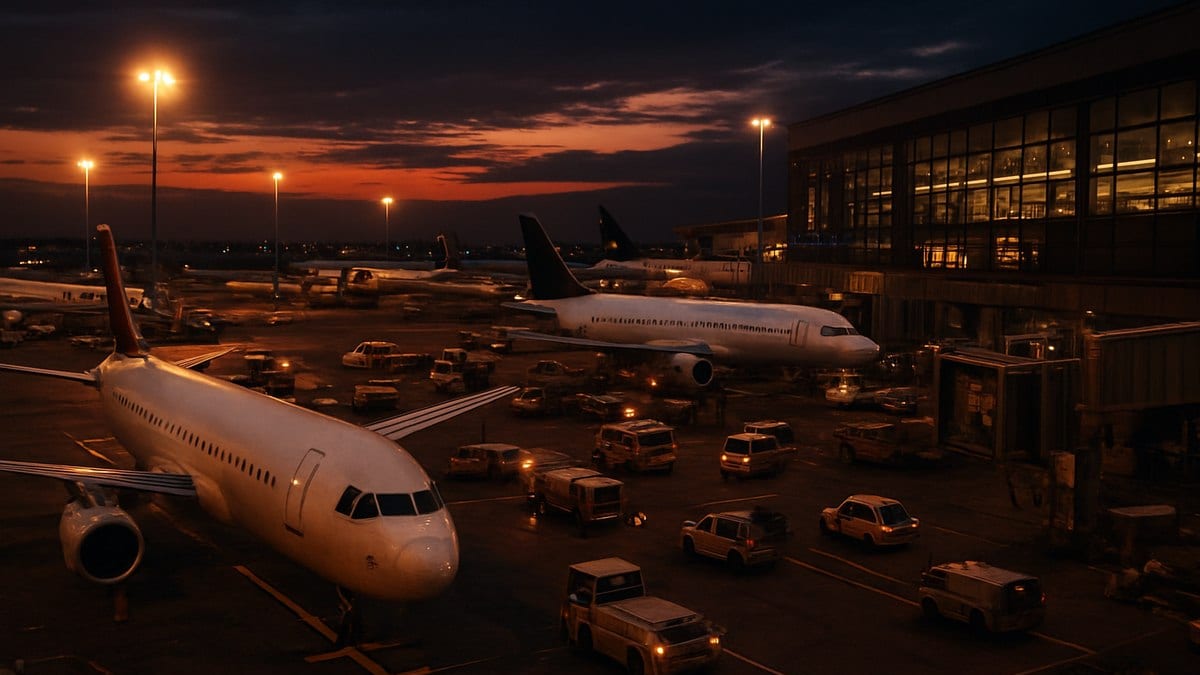
Publicly available local coverage indicates that Denver International Airport experienced a significant power outage on April 8, affecting terminal systems and forcing airlines to slow or halt boarding and ramp operations as backup systems came online. Early reports described hundreds of departures and arrivals facing extended ground holds, with some services canceled outright as aircraft and crews ran out of operating hours.
The disruption arrived on the heels of an already volatile spring travel period across North America, marked by severe storms and elevated traffic over the Easter holiday. Nationwide tracking data cited in recent U.S. media reports shows tens of thousands of delays and several thousand cancellations since early April, leaving carriers with limited flexibility to reassign aircraft and crew when Denver’s power problems emerged.
Operational data compiled by aviation tracking platforms suggests that several Denver originating and inbound services were diverted to secondary airports or returned to gates, compressing available departure slots once systems were restored. That squeeze spilled into Denver’s growing portfolio of long haul departures to Europe, where widebody aircraft typically operate on tight overnight schedules.
Airline network planners often treat Denver as both an origin and a connecting hub, particularly for travelers heading from smaller U.S. cities to European gateways. When the airport’s departure rate is reduced, flights bound for major hubs such as London, Frankfurt, Munich and Paris can quickly back up, dislodging carefully timed transatlantic connections.
More Than 120 US–Europe Flights Affected
Based on aggregated schedules and delay information for April 8 and April 9, at least 120 flights on U.S.–Europe routes appear to have experienced substantial disruption linked in part to the Denver outage and its aftermath. These include a mix of nonstops from Denver itself and connecting itineraries where passengers were scheduled to route through the Colorado hub en route to Europe.
Airlines with a strong presence at Denver, including United and its Star Alliance partners, rely on tightly coordinated transatlantic banks that funnel domestic traffic toward evening departures. When earlier feeder flights are delayed or canceled, long haul services may depart significantly late or leave with empty seats that would normally be filled by connecting passengers, reducing efficiency and straining rebooking channels.
Travel industry coverage in recent days has highlighted wider operational challenges on European soil, with severe weather and airspace constraints causing hundreds of delays at hubs such as Frankfurt, Munich, Madrid, Amsterdam and London Heathrow. While these issues are not exclusively tied to Denver, they reduce the margin of error for connections, meaning a late arriving Denver flight can easily result in missed onward links across the continent.
The combined effect is a transatlantic corridor that remains technically open yet functionally unreliable for many travelers. Passengers booked from U.S. interior cities through Denver to Europe have reported being re-routed via coastal gateways, placed on next day departures, or in some cases shifted to entirely different European entry points in order to reach their final destinations.
Knock-on Strain at Major US and European Hubs
The ripple effects from Denver’s difficulties have been magnified by parallel strains at other large North American airports. Recent reporting from travel outlets describes elevated disruption at hubs such as Atlanta, Chicago O’Hare and Detroit in early April, with hundreds of combined delays and dozens of cancellations on key domestic and international routes.
When multiple hubs experience operational pressure at the same time, airlines have fewer options to reroute stranded Denver passengers. Seats that might otherwise absorb rebookings are quickly occupied by travelers disrupted elsewhere, forcing some Denver origin passengers bound for Europe to wait many hours or even an extra day for viable alternatives.
Across the Atlantic, early April has also been challenging. European consumer and aviation sites describe severe weather systems and airspace restrictions affecting major hubs in Germany, the United Kingdom, Spain, Denmark, Türkiye and the Netherlands. In such an environment, even minor schedule slips from Denver can cascade into missed last connections of the day to secondary European cities.
For some travelers, that has meant unplanned overnight stays at intermediate hubs, baggage arriving on later flights, and complex onward journeys by rail or short haul carriers. Travel advocates note that fragmented itineraries involving multiple airlines and booking channels can make these situations harder to resolve quickly at the airport.
Denver’s Growing Transatlantic Role Raises Stakes
Denver’s importance in the transatlantic network has steadily increased in recent years, with a growing list of nonstop services linking the city to major European gateways. Public schedule data for April 2026 shows multiple carriers operating direct or seasonal flights between Denver and destinations such as London, Frankfurt, Munich and Paris, supported by alliance and codeshare connections onward across Europe.
This expanding role means that local disruptions at Denver now carry outsized consequences for travelers across the Atlantic. A single badly timed outage or weather event can affect passengers not only starting or ending their journey in Colorado, but also those connecting from regional U.S. airports who depend on Denver as their bridge to Europe.
Aviation analysts quoted in recent industry coverage have long pointed to the challenges posed by Denver’s location and weather patterns, including strong winds and thunderstorms during warmer months and snow in winter. While modern aircraft and runways are designed to cope with these conditions, any combination of weather delays and terminal system failures can quickly overwhelm schedules, especially during peak travel periods.
Observers suggest that airlines may respond by building more slack into Denver’s long haul schedules or by diversifying transatlantic capacity through other hubs. However, such adjustments typically take time, and in the short term, passengers remain vulnerable to further bouts of turbulence in the system.
What Travelers Can Do If Their Flight Is Affected
Passenger rights and rebooking options vary depending on the airline, ticket type and whether the journey touches U.S. or European jurisdictions, but consumer organizations consistently advise travelers to act quickly when a Denver linked transatlantic itinerary shows signs of strain. Using airline apps, text alerts and flight tracking tools can provide early warning of creeping delays that might jeopardize onward connections in Europe.
When it becomes clear that a Denver departure will be significantly delayed, some carriers allow same day changes to alternate routings without additional fare, particularly for higher flexibility tickets or frequent flyer elites. In the current environment, even a connection through a different U.S. hub may offer a better chance of making an overnight crossing to Europe than waiting for a heavily delayed Denver departure.
Travel experts also recommend building longer connection windows through Denver when planning future trips, especially during peak spring and summer travel. A layover of two to three hours may reduce the risk of misconnecting onto an evening transatlantic service, particularly when the broader North Atlantic network is already under weather and capacity pressure.
Ultimately, the latest wave of disruptions underscores how interdependent the U.S.–Europe air corridor has become. Problems at a single inland hub such as Denver can rapidly snarl flights thousands of miles away, leaving travelers with little choice but to monitor conditions closely and keep their plans as flexible as possible.