


More news on this day
On the far western edge of Ireland, the Dingle Peninsula is emerging as a rare blend of wild Atlantic coastline, deep-rooted Gaelic culture and quietly ambitious sustainable tourism, recasting this small Kerry town as a hidden seaside paradise for modern travelers.
Get the latest news straight to your inbox!
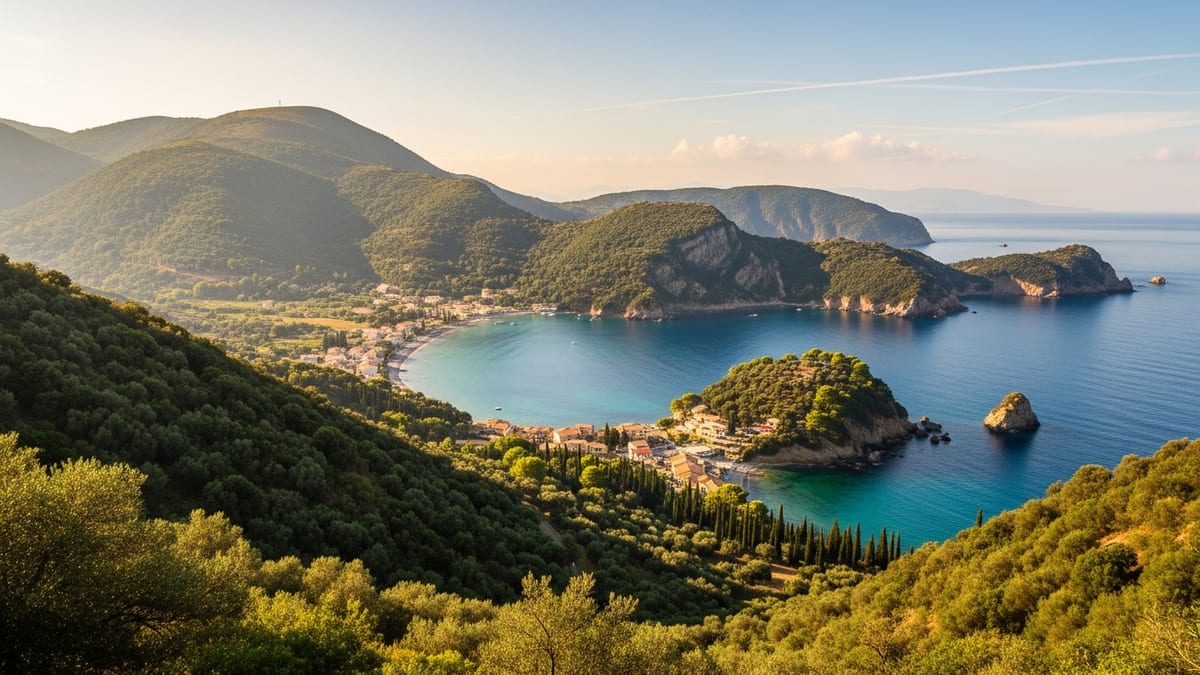
A Wild Atlantic Outpost Comes Into Focus
Stretching some 48 kilometers into the Atlantic from County Kerry, the Dingle Peninsula sits along one of the most celebrated stretches of the Wild Atlantic Way coastal route. Sheer cliffs, sweeping beaches and constantly shifting Atlantic light have long attracted walkers, surfers and road trippers, but recent seasons have seen a marked rise in visitors seeking out this more remote corner of the Irish southwest.
Dingle town, the peninsula’s compact harbor hub, has become the main gateway for exploring the region. Colorful shopfronts line its steep streets, while fishing vessels, tour boats and small yachts share the sheltered harbor. Reports indicate that more operators are extending their seasons beyond the traditional summer peak, catering to visitors drawn by quieter roads and dramatic autumn and winter seascapes.
Along the coast, classic vantage points such as the drive over Conor Pass and the Slea Head loop continue to define the peninsula’s appeal. Conor Pass, one of Ireland’s highest mountain passes open to vehicles, offers a dramatic introduction as the Wild Atlantic Way drops toward Dingle town. From there, the Slea Head road clings to cliff edges and curves past sandy coves, stone villages and Atlantic viewpoints that are frequently cited among Ireland’s most striking coastal drives.
Tourism coverage highlights how this rugged setting has also attracted film-makers, from mid-20th century productions to more recent blockbuster franchises that used the peninsula’s headlands and islands as stand-ins for other worlds. That screen exposure continues to feed curiosity among international visitors, many of whom build a Dingle stop into wider Wild Atlantic Way itineraries.
Hidden Beaches, Island Horizons and Coastal Trails
Beyond the harbor, the peninsula’s quieter corners are drawing attention from independent travelers looking for space and slower-paced experiences. Long strands such as Inch Beach to the south and the beaches near Castlegregory to the north offer broad Atlantic vistas, surf breaks and shore walks that remain relatively uncrowded outside high summer weekends.
Further west, views open toward the Blasket Islands, an uninhabited archipelago that has become one of Dingle’s most evocative backdrops. Boat services in season connect the mainland with the largest island, while visitor centers and local guides share stories of the island community that once lived there. Recent travel features note strong interest in these island narratives, particularly among visitors seeking cultural depth alongside scenery.
On land, sections of the Dingle Way walking route and a web of local trails give access to cliff paths, early Christian sites and hill viewpoints. Travel companies with 2025 and 2026 itineraries increasingly position the peninsula as a center for multi-day walking holidays, highlighting the chance to move village to village on foot while luggage is transferred by road. This model taps into broader demand for low-impact, active travel that leaves more spending within local communities.
Water-based activities are also diversifying. While wildlife-spotting cruises and harbor tours remain popular, operators are adding kayaking, stand-up paddleboarding and small-group sailing experiences. According to published coverage, these smaller-scale options are designed to spread visitor traffic more evenly through the day and across the season, easing pressure on peak-time departures from the harbor quays.
A Gaeltacht Peninsula with Deep Cultural Roots
Much of the Dingle Peninsula lies within a designated Gaeltacht, or Irish-speaking region, which shapes the character that visitors encounter in local signage, school life and community events. Road signs and place names appear in Irish, and everyday use of the language remains part of village and rural life west of the town.
Heritage sites scattered across the peninsula underscore its long human story. Early Christian remains such as Gallarus Oratory and numerous ring forts, beehive huts and cross-inscribed stones reflect centuries of settlement. Visitor centers and small interpretive displays help explain these landscapes without dominating them, and some walking tours now focus on linking archaeological stops with folklore and local storytelling traditions.
Music and contemporary arts also play a central role in Dingle’s profile. Pubs and small venues in the town are known for regular traditional music sessions, especially on weekends and during festivals. In parallel, a growing calendar of cultural events and film-themed experiences, including guided walks that trace locations from well-known productions shot on the peninsula, is encouraging visitors to stay multiple nights rather than treating Dingle as a quick coastal stop.
For many travelers, that combination of language, heritage, music and seascapes is precisely what sets Dingle apart from busier Irish hotspots. Tourism commentators note that the peninsula’s relative remoteness, reached via winding roads over mountains or along inlets, helps preserve a strong sense of place even as visitor numbers rise.
Balancing Popularity with Sustainability
As Dingle’s profile grows, questions about managing success are coming into sharper focus. Local and regional planning documents, along with recent media coverage, point to increased pressure on roads, parking and harbor facilities during peak months, as tour coaches and private cars compete for limited space in and around the town center.
Plans for new or expanded marine infrastructure, including a recently approved small-craft harbor development, have prompted debate about how best to accommodate boating demand without undermining the traditional harbor views and compact scale that many visitors value. Objections raised in the planning process cited concerns about overtourism, visual impact and the capacity of local services, highlighting a wider discussion about the town’s long-term direction.
In response, local initiatives have begun to foreground sustainability as a core part of the peninsula’s tourism story. Publicly available information from community-based projects describes efforts to create a dedicated tourism and hospitality energy community, encouraging accommodation providers, restaurants and activity operators to collaborate on reducing emissions and energy use.
Regional development features also point to pilots in renewable energy, nature-positive farming and transport planning across the peninsula. While many of these projects are in early stages, their prominence in local strategy suggests that future visitors may encounter more visible signs of climate-conscious planning, from electric vehicle charging points to trail maintenance programs designed to protect fragile coastal habitats.
Year-Round Experiences in a Changing Climate
Dingle’s climate, shaped by the Atlantic, is relatively mild and maritime, with cool summers, damp winters and frequent changes in sky and sea conditions. This variability has historically concentrated tourism into a shorter summer season, but operators and local agencies are now promoting the peninsula as a year-round destination, particularly for walking, food and cultural breaks outside the warmest months.
Recent travel itineraries and destination campaigns emphasize shoulder-season attractions such as storm-watching, photography workshops, and food experiences built around locally landed seafood and produce from surrounding farms. Smaller guesthouses and hotels report that autumn and spring bookings are increasingly tied to specific activities or events rather than generalized sightseeing.
At the same time, Dingle’s exposed position means it is on the frontline of climate-related coastal change. Scientific and policy reports for County Kerry highlight the need for resilience planning along Atlantic shorelines, including monitoring erosion, protecting heritage sites close to cliffs, and supporting coastal communities that depend heavily on tourism revenue.
How Dingle navigates that balance between welcoming more visitors and safeguarding the wild land and seascapes that define it is likely to shape the peninsula’s story in the coming decade. For now, travelers arriving over Conor Pass or along the meandering coastal roads still find a town and coastline that feel remarkably close to the elements, offering a sense of hidden paradise that is increasingly rare on Europe’s more famous shores.