


More news on this day
Zurich Airport, the primary international gateway for Switzerland, experienced significant disruption on Tuesday as more than 60 flight delays and multiple cancellations rippled across European and long haul routes, affecting services operated by SWISS, Lufthansa, Emirates, British Airways and other major carriers.
Get the latest news straight to your inbox!
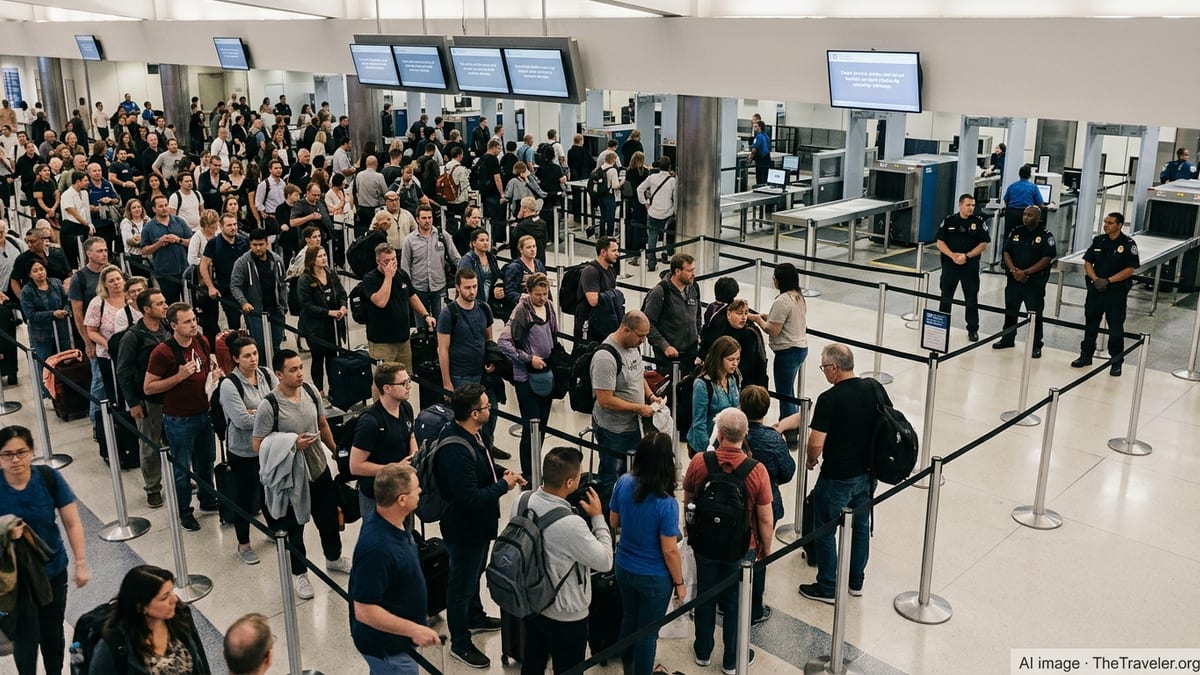
Operational Turbulence Hits a Busy Summer Travel Day
Live airport data for Tuesday shows Zurich Airport coping with an unusually high number of delayed departures and arrivals, with around 65 services running behind schedule and at least four flights cancelled across the day. The disruption has affected both inbound and outbound operations, leading to extended waiting times in terminals and missed onward connections for some passengers.
Publicly available tracking information points to delays building steadily from the early morning wave of European services, before spilling into the midday and late afternoon long haul banks. Airlines including SWISS and Lufthansa, which together account for a substantial share of Zurich’s daily movements, appear prominently in delay statistics, alongside other global operators serving North America, the Middle East and key Asian destinations.
While Zurich is generally regarded as one of Europe’s more punctual hubs, recent performance reports for the wider European network highlight a rise in reactionary delays, where earlier disruptions cascade through the day. Tuesday’s pattern at Zurich mirrors that trend, with knock on effects from late arriving aircraft contributing to schedule slippage on subsequent rotations.
The timing of the disruption is particularly challenging for travelers, coinciding with the early summer holiday build up and higher seasonal demand. With Zurich serving more than 200 destinations on a typical day, any reduction in operational resilience is quickly felt across connecting banks and regional spokes.
Major Carriers and Global Routes Affected
According to flight monitoring dashboards, SWISS, Zurich’s home carrier, has seen delays on a mix of European and intercontinental services, including long haul flights to North America and southern Africa. Some departures have been pushed back by more than an hour, compressing connection windows at onward hubs and leaving passengers with limited rebooking options on already busy services.
Star Alliance partner Lufthansa has also faced disruption on key trunk routes between Zurich and major German hubs. These short haul sectors feed a significant number of long haul connections, meaning delays of even 30 to 60 minutes can cause a ripple effect for travelers aiming to connect to transatlantic and Asian flights from Frankfurt and Munich.
Long haul operators outside the Lufthansa Group are not immune. Published departure boards show Emirates services to Dubai facing extended ground times, while British Airways flights to London Heathrow have reported delays that risk misaligning onward connections to North America and beyond. Other intercontinental carriers, including North American airlines operating to New York and Toronto, have also registered schedule changes and revised arrival times.
The result is a patchwork of disruption across multiple alliances and independent airlines, reducing the scope for straightforward re-accommodation. For many passengers, alternative same day options involve complex rerouting via secondary hubs or overnight stays.
Weather, Congestion and Structural Constraints
There is no single clear-cut cause for Tuesday’s disruption, but a combination of factors appears to be at work. Regional weather patterns across central Europe have periodically constrained air traffic capacity in recent months, and Eurocontrol performance summaries for spring 2026 show that reactionary and air traffic control related delays have become a persistent feature for many hubs, including Zurich.
Aviation analysts frequently point to Zurich’s runway layout and local noise restrictions as structural constraints that can limit flexibility during busy periods or adverse conditions. When traffic flows have to be adjusted to meet environmental rules or accommodate strong winds, the arrival and departure rates can dip, leaving airlines with little margin to recover from earlier delays.
The broader European network has also been operating close to capacity, making it harder for airlines to source spare aircraft or additional slots to help regularize schedules when problems arise. In such an environment, a single disrupted rotation early in the day can result in multiple delayed departures and, eventually, selective cancellations when crews and aircraft are no longer in position.
Publicly available airport capacity charts and punctuality statistics suggest that Zurich, like many major European hubs, is operating within tight scheduling envelopes during peak hours. On days with high demand and minor operational setbacks, the system can quickly become strained.
Impact on Passengers and Connections
For travelers, Tuesday’s disruption has translated into long queues at transfer desks, uncertainty around connection timings and, in some cases, the need to overnight in Zurich. Passengers on multi sector itineraries involving SWISS, Lufthansa, Emirates and British Airways have been particularly exposed, as missed connections on one leg can invalidate carefully timed onward journeys.
Reports from public travel forums describe passengers facing rebooked itineraries with extended layovers or rerouting via alternative hubs such as Frankfurt, Vienna and London. In several instances, travelers have documented missed long haul services after arriving late from feeder flights, despite having connection times that would normally be considered adequate at Zurich.
Families and leisure travelers are especially vulnerable during such disruption, as they may have fewer options to change plans at short notice and are often traveling on non flexible tickets. Business travelers with fixed meeting schedules and limited travel windows also face significant inconvenience when delays stretch beyond a few hours.
The experience at Zurich on Tuesday underscores how tightly coupled modern airline schedules have become. When a major European hub suffers an extended period of delays, the impact reaches far beyond its own catchment area, affecting passengers across continents who may never set foot in the airport itself.
Passenger Rights and What Travelers Can Do
The disruption has renewed attention on passenger rights for travelers departing from or transiting through Zurich. Switzerland implements the core provisions of European air passenger protections, meaning that flights departing from Zurich on both European and many non European carriers may fall under similar frameworks that apply across the European Union for delays, cancellations and denied boarding.
Under these rules, eligibility for financial compensation depends on factors such as the length of delay at arrival, total distance flown and whether the disruption was caused by circumstances considered to be outside the airline’s control. However, the practical application of these provisions in Switzerland can differ from neighboring EU states, and publicly available legal commentary notes that compensation for delays is sometimes more limited than travelers might expect based on EU case law.
Consumer advocates generally advise passengers to document their disruption carefully, retain boarding passes and booking confirmations, and submit claims directly through airline customer service channels in the first instance. If an airline declines compensation or reimbursement, travelers can seek guidance from national enforcement bodies or specialist claims services, although these processes may take several months.
In the short term, passengers currently affected at Zurich are being encouraged by publicly available travel advisories to monitor live flight status tools, allow extra time for transfers and, where possible, rebook onto earlier services to preserve connection buffers. With demand building into the peak summer period, Tuesday’s events serve as a reminder that even well regarded hubs like Zurich are not immune to sudden bouts of travel chaos.