

Driving in Japan can be both rewarding and intimidating. Meticulously maintained roads, clear signage, and disciplined local drivers make it an efficient way to explore, yet foreign visitors must navigate unfamiliar rules, strict enforcement, and specific permit requirements. Understanding how the system works before you pick up the keys will make your time behind the wheel far smoother and safer.
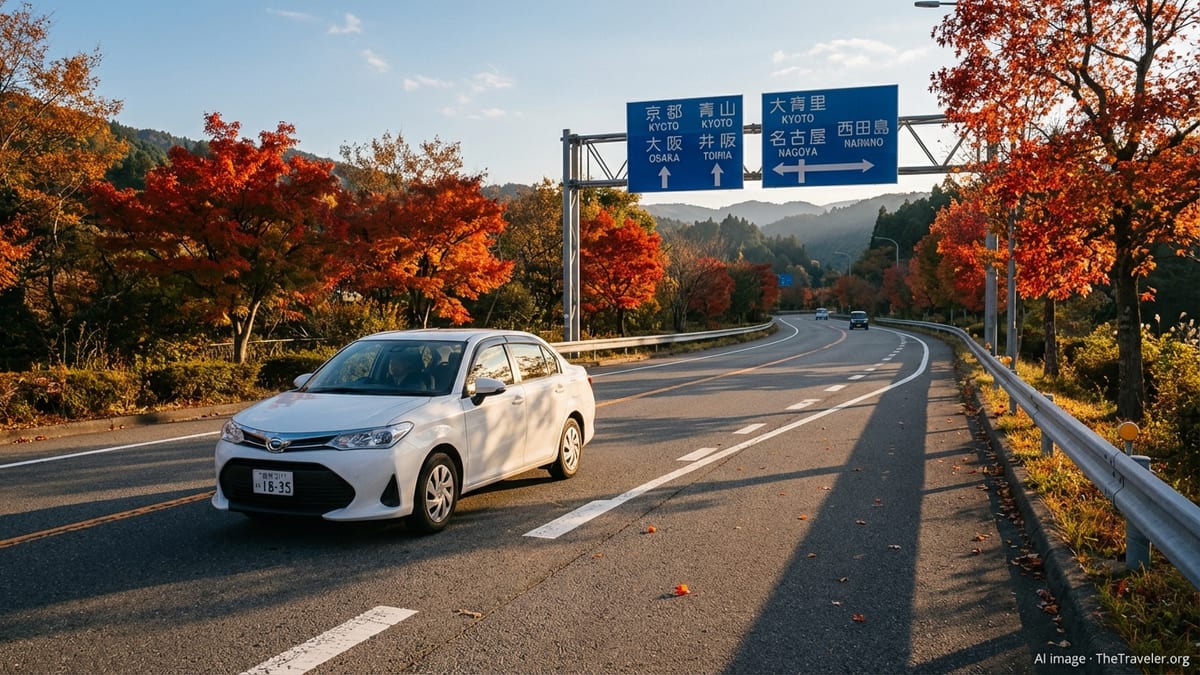
Who Can Drive in Japan and Where You May Go
Japan allows most adult visitors to drive if they meet licensing and permit rules, but authorities expect every driver to understand basic traffic laws before joining local roads. The legal driving age is 18 nationwide, and car rental companies usually require renters to be at least 18 to 20 years old, with some premium fleets insisting on older drivers and a minimum number of years of experience. Children and younger teens are not permitted to drive under any circumstances, even if they hold a license from a more permissive jurisdiction.
Most tourists who plan to drive restrict themselves to regions that are easier to navigate and have ample rental options, such as Hokkaido, Okinawa, Kyushu, and rural areas around Tokyo and Osaka. These regions offer well signposted highways and extensive tourist infrastructure, while also presenting the kind of landscapes that reward self-drive travel, from coastal roads and mountain passes to remote hot spring towns. Urban cores like central Tokyo or Osaka are generally less attractive for visitors with cars because of congestion, expensive parking, and efficient public transport.
Japan’s road network consists of national expressways with tolls, national highways, prefectural roads, and city streets, each with different speed limits, signage, and enforcement intensity. Expressways offer the fastest long-distance travel but require careful attention to tolls and merging etiquette, while smaller rural roads can be narrow, winding, and shared by pedestrians and cyclists. Before deciding to drive, it is worth mapping out your route in detail, checking whether public transport could be more practical in large cities, and reserving driving for areas where a car clearly enhances your flexibility.
Visitors should also be aware that winter conditions can change driving realities in large parts of the country. Snow and ice are common in Hokkaido, the Tohoku region, and mountainous parts of Honshu. Rental companies typically equip cars with winter tires in season, but drivers who are unfamiliar with snow should think carefully before committing to long drives in midwinter, especially at night or on minor roads.
International Driving Permits and License Rules
Japan maintains specific rules for foreign drivers that revolve around the International Driving Permit, or IDP. For short-term visitors, the key requirement is usually an IDP issued under the 1949 Geneva Convention, carried together with a valid driver’s license from the home country. An IDP is not a standalone license and is only valid when presented with the original license, so both documents must be carried at all times when driving.
Not all permits are accepted. Japan currently recognizes the 1949 format IDP and does not accept permits issued solely under the 1968 Vienna Convention. This distinction can catch out travelers from countries where the 1968 document has become standard. Before departure, drivers should confirm that the issuing authority in their home country can still provide the 1949-format IDP and check the validity period, which is usually one year from the date of issue. Driving with the wrong format can lead to fines and a ban from driving, even if the driver believed the permit was valid.
Certain national licenses are treated differently. Holders of licenses from jurisdictions such as Switzerland, Germany, France, Belgium, Monaco, and Taiwan are generally required to obtain an official Japanese translation of their license rather than, or in addition to, an IDP. This translation is typically obtained through the Japan Automobile Federation or the issuing country’s embassy or consulate in Japan and must always be carried together with the original license. Without the translation, police may consider the driver unlicensed, even if the underlying license is valid.
Foreign residents who stay longer than the typical tourist period are usually expected to obtain a Japanese driver’s license once they settle in. The process for converting a foreign license to a Japanese one has become more stringent, and from late 2025 authorities have tightened residency, knowledge, and skills requirements. Applicants must now provide proof of residence and often sit a longer written exam and a more rigorous driving test. Tourists cannot use this conversion route; it is reserved for residents whose daily life in Japan requires long-term driving.
Key Road Rules, Speed Limits, and Enforcement
Japan’s traffic laws prioritize predictability, safety, and respect for vulnerable road users. Everyone drives on the left side of the road, with the steering wheel on the right side of the car, which may feel natural for visitors from the United Kingdom, Australia, or parts of Asia but requires adjustment for many North American and European drivers. Passing usually takes place on the right, and slow-moving vehicles are expected to keep left on multi-lane expressways whenever practical.
Speed limits are set nationally but adjusted locally, so drivers must keep an eye on posted signs. On major divided expressways, the general limit is around 100 kilometers per hour, with some modern stretches now permitted up to approximately 120 kilometers per hour where conditions and design standards allow. Undivided expressways and rural highways often carry limits around 60 to 80 kilometers per hour, and typical urban streets may be signed at 40 kilometers per hour or less. Narrow neighborhood streets, which can double as shared spaces for pedestrians and cyclists, sometimes have limits as low as 30 kilometers per hour.
Enforcement can be strict, especially near schools, in residential districts, and on major expressways. Mobile speed cameras and unmarked police vehicles monitor popular routes, and significant speeding can lead to on-the-spot fines, license points, or even criminal charges in severe cases. Foreign drivers are not exempt from penalties, and serious violations can result in a ban from driving in Japan for a set period. Repeat or dangerous offenses may also affect immigration records, complicating future entries.
Other important rules include near-zero tolerance for seat belt non-compliance and a strict expectation that children ride in appropriate car seats or boosters based on their age and size. Mobile phone use while driving is prohibited unless the device is truly hands-free, and police are increasingly attentive to distracted driving. At intersections, drivers must always yield to pedestrians on crosswalks and take extra care around cyclists, who may share narrow lanes or appear suddenly from side streets.
Alcohol, Drugs, and Safety Culture
Japan has some of the toughest rules on drinking and driving in the region. The legal blood alcohol limit is very low, and authorities promote the principle that drivers should not drink at all if they intend to operate a vehicle. Police conduct regular breath-testing campaigns, especially during holiday periods and at night near entertainment districts. Penalties for driving under the influence can include large fines, imprisonment, loss of license, and, for foreign nationals, potential deportation or long-term entry bans.
Responsibility extends beyond the driver. In some circumstances, passengers or establishments that knowingly allow an intoxicated person to drive can face penalties. This shared-responsibility approach shapes local culture, where designated drivers are common and social groups often plan transport carefully when alcohol is involved. Visitors who come from countries with more relaxed enforcement should take particular care to align their habits with Japanese expectations, as excuses about differing norms carry no weight in local courts.
The same strict approach applies to driving under the influence of illegal drugs or certain prescription medications that impair ability. Possession and use of illegal substances are heavily punished in Japan, and combining them with driving magnifies the consequences. Drivers who rely on medication that can cause drowsiness or slower reactions should consult a doctor in advance and consider whether public transport may be safer during their stay.
Overall safety culture in Japan rewards patience and attentiveness. Drivers rarely use their horns except to warn of immediate danger, and aggressive behavior such as tailgating, weaving through traffic, or unnecessary flashing of headlights is frowned upon and sometimes prosecuted. By matching the calm and predictable style of local drivers, visitors reduce their risk of collision and avoid drawing unnecessary attention from police.
Understanding Signs, Lanes, and Expressway Tolls
Japan’s road signage largely follows international conventions, with many signs including both Japanese and Roman letters, particularly on major roads, in urban areas, and around tourist destinations. Direction signs to cities, airports, and key attractions usually appear in English, and route numbers for national highways and expressways are clearly marked. However, some regulatory and warning signs may appear primarily in Japanese, and visitors benefit from reviewing a basic sign guide before driving.
Lane markings also follow a consistent pattern. Solid white or yellow lines typically indicate places where crossing or overtaking is prohibited, while broken lines suggest that lane changes are allowed when safe. At intersections, arrows on the pavement show which directions each lane may take, and special lanes may be reserved for buses, taxis, or right turns during certain hours. When in doubt, drivers should slow down and follow the flow of local traffic rather than making sudden movements.
Expressway tolls are an integral part of long-distance driving in Japan. Most major expressways charge distance-based tolls, collected through toll plazas at entrances and exits. Many local drivers use the Electronic Toll Collection system, or ETC, which allows seamless passage through dedicated lanes using an in-vehicle card reader. Visitors who rent cars sometimes have the option to rent an ETC device as well, which can simplify journeys and occasionally unlock modest discounts. However, the system has experienced occasional technical disruptions in recent years, reminding travelers that they should always be prepared to pay tolls by cash or card if necessary.
Those who prefer not to rent ETC equipment can still use cash or standard payment cards in general toll lanes. It is wise to keep some yen on hand for minor toll roads and parking, especially in rural regions where cashless infrastructure is still catching up. When approaching toll gates, drivers must choose the correct lane for their payment method, slow down early, and follow staff instructions. Crossing into an ETC lane without a working device can cause confusion, delays, and in some cases fines, so attention to signage before the booth is essential.
Renting a Car, Parking, and Everyday Practicalities
Car rental in Japan is straightforward once licensing and permit issues are settled. Major international and domestic rental companies operate at airports, major train stations, and city centers, often providing English-language booking platforms and support. Reservation is highly recommended for peak seasons such as cherry blossom and autumn foliage periods, as well as around major national holidays when demand rises sharply. When booking, drivers can usually select between automatic and manual transmission, though automatics dominate the fleet and are easier for most visitors.
Rental companies commonly require drivers to present a passport, a valid home country license, and an accepted International Driving Permit or license translation at pick-up. They will photograph or scan these documents and may refuse rental if anything appears invalid or near expiry. Insurance packages vary from basic legally required coverage to more comprehensive options that reduce the driver’s financial liability in case of collision, theft, or weather damage. Given the unfamiliar environment and potential language barriers, many visitors opt for the more generous coverage to limit out-of-pocket risk.
Parking is heavily regulated in Japanese cities. Street parking is often restricted or forbidden, and enforcement in dense areas can be brisk, with private parking wardens issuing tickets within minutes for illegally stopped vehicles. Most urban drivers rely on coin-operated car parks, multi-story facilities, or mechanical “tower” garages that stack cars vertically. Fees can be high in central locations, so visitors should factor parking costs into their daily budget and look for accommodation that includes guest parking when possible.
In residential neighborhoods and smaller towns, parking rules may feel more relaxed, but designated spaces are still the norm. Japan’s “proof of parking” system for residents, which requires car owners to show they have a dedicated parking space, has shaped a culture where cars are rarely abandoned on narrow streets. Visitors should avoid blocking driveways, loading bays, or tiny alleys that serve as crucial access routes for emergency vehicles. If unsure whether a space is legal, it is safer to move on and find a marked lot than risk fines or towing.
Navigation, Seasons, and Regional Driving Tips
Modern navigation tools have made driving in Japan significantly easier for visitors. Many rental cars include built-in navigation systems that can accept destinations by phone number or map code, two popular methods used locally. While some in-car systems are available in English, others remain primarily in Japanese, so travelers often rely on smartphone navigation apps instead. Before setting off, it is important to secure a reliable mobile data connection and download offline maps for rural areas with patchy coverage.
Traffic patterns vary widely by region and season. Metropolitan areas experience predictable rush hours into and out of city centers on weekdays, while expressways can clog around long holiday weekends when city dwellers head to the countryside. Weather amplifies these patterns, with heavy rain, typhoons, or snowstorms slowing traffic and increasing the risk of accidents. In winter, certain mountain passes or minor roads may close, and chains or studless snow tires are sometimes required by law on specific stretches when conditions deteriorate.
Regional etiquette can also differ subtly. In some rural regions, locals are more relaxed about waiting behind slower vehicles and may hesitate to overtake, even on suitable stretches, preferring safety and predictability. In tourist hotspots, drivers have grown accustomed to rental cars and may be patient with minor hesitations from visitors. Nevertheless, foreign drivers should avoid sudden lane changes, hard braking without warning, or last-minute turns, as these behaviors can surprise local traffic and lead to collisions.
Planning fuel stops in advance is another practical consideration, especially in sparsely populated regions or during late-night drives. While major highways and urban areas have abundant service stations, remote parts of Hokkaido or mountainous prefectures may see longer gaps between fuel options, and some stations close early. Many modern stations are self-service, with clear pictograms on the pumps, but staff may not always speak English. Checking fuel type carefully and confirming payment methods before filling up prevents awkward misunderstandings at the counter.
The Takeaway
Driving in Japan can open doors to quiet hot spring villages, remote coastlines, and scenic viewpoints that remain out of reach for most rail-bound visitors. Yet the privilege comes with responsibilities. Understanding permit rules, respecting local speed limits, and adapting to safety-focused driving culture are essential steps before merging into Japanese traffic.
For many travelers, the most successful itineraries strike a balance between public transport and short, well-planned driving segments. Renting a car for specific regions, rather than for an entire trip, can minimize stress while maximizing flexibility where it matters. With realistic expectations, careful preparation, and a willingness to drive gently and patiently, visitors can enjoy the freedom of the open road while fitting comfortably into Japan’s orderly and courteous traffic environment.
FAQ
Q1. Can tourists drive in Japan with just a foreign license?
Generally no. Most visitors need a valid home country license plus a 1949-format International Driving Permit or, for certain countries, an official Japanese translation.
Q2. Which side of the road does Japan drive on?
Japan drives on the left, with the steering wheel on the right side of the car. Overtaking usually takes place on the right on multi-lane roads.
Q3. Does Japan accept the 1968 Vienna Convention International Driving Permit?
Japan currently recognizes the 1949 Geneva Convention style IDP. A permit issued only under the 1968 format is generally not accepted for driving there.
Q4. What is the usual speed limit on Japanese expressways?
Many expressways have limits around 100 kilometers per hour, with some modern sections permitted up to roughly 120 kilometers per hour where design and safety allow.
Q5. How strict are Japan’s drink-driving laws?
They are very strict. The legal blood alcohol limit is low, enforcement is active, and penalties can include heavy fines, license loss, and for foreigners, potential immigration consequences.
Q6. Is it difficult to find parking in Japanese cities?
In central districts parking can be expensive and limited, but there are many coin-operated and multi-story car parks. Street parking is tightly controlled and should not be relied upon.
Q7. Do I need winter tires for driving in Japan in colder months?
In snowy regions such as Hokkaido or mountainous areas, winter tires are standard and sometimes legally required on certain roads during bad weather. Rental companies usually equip cars seasonally.
Q8. Are English road signs common in Japan?
Yes, on major roads, expressways, and around cities, many direction signs include English. However, some regulatory and local signs still appear mainly in Japanese.
Q9. Can I rent an ETC device for tolls with my rental car?
Many rental agencies offer ETC card readers as an optional add-on. They can speed up toll payments, but you can still use regular lanes and pay by cash or card without one.
Q10. Is driving in big cities like Tokyo recommended for tourists?
It is possible but often not ideal. Heavy traffic, complex roads, and costly parking make public transport more convenient, so many visitors reserve driving for rural or suburban areas.