


More news on this day
Holidaymakers traveling from Manchester to Turkey on an EasyJet service faced an unexpected overnight ordeal after their replacement flight diverted more than 1,200 miles away to Milan, leaving passengers stranded far from their intended destination.
Get the latest news straight to your inbox!
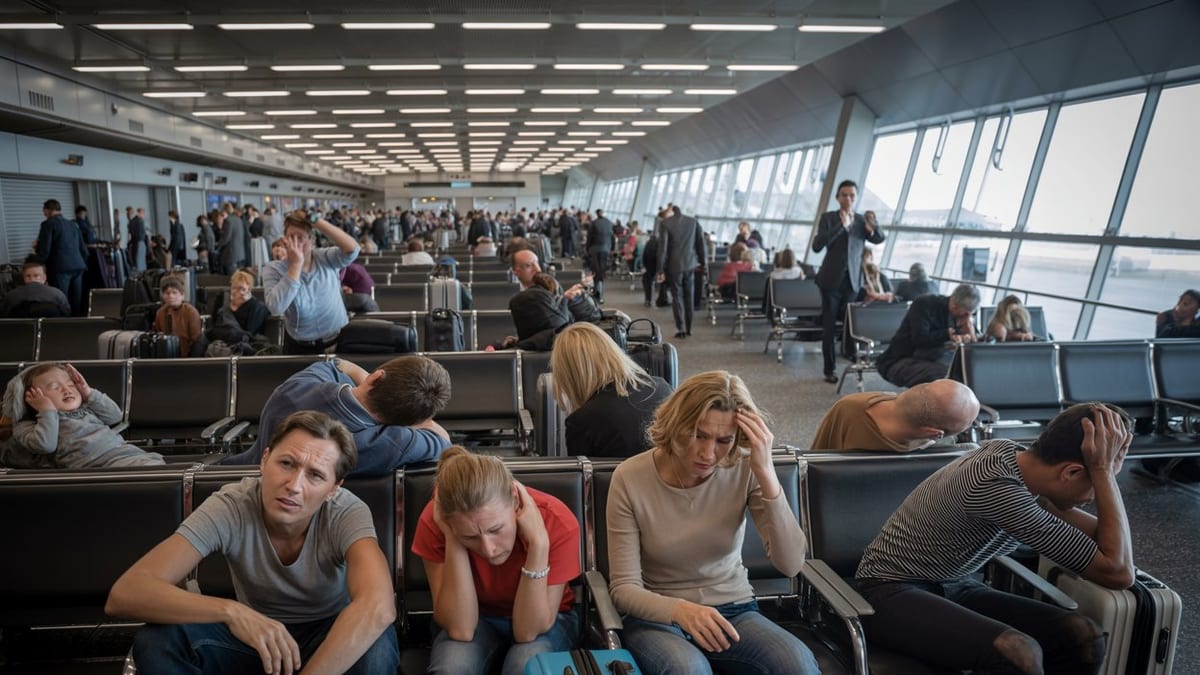
Manchester–Antalya trip turns into overnight diversion
According to published coverage, the disruption began with a planned EasyJet service from Manchester to Antalya that was hit by a significant delay before departure. Passengers heading to the popular Turkish resort reportedly remained on the ground for several hours while the airline sought a replacement aircraft and crew.
Reports indicate that the initial delay already pushed some travelers well beyond their scheduled arrival time in Turkey. Flight data cited in local and international coverage shows that the substitute flight eventually departed Manchester, but the extended turnaround appears to have placed pressure on crew duty-time limits and the overall operating window for reaching Antalya.
Midway through the journey, publicly available flight-tracking information shows the aircraft changing course and routing toward northern Italy instead of continuing southeast toward the Turkish Mediterranean coast. The flight ultimately landed at Milan Malpensa, approximately 1,200 miles, or about 1,900 kilometers, from Antalya, effectively leaving passengers in a different country overnight.
Coverage of the incident notes that the diversion pushed some travelers’ total delays beyond 12 hours, with onward travel and overnight arrangements becoming a key concern once it was clear that the aircraft would not continue to Turkey that night.
Passengers report long waits and limited information
Accounts summarized in news reports describe a protracted experience for those on board, beginning with the initial hold at Manchester and continuing through the diversion to Milan. Travelers were already several hours behind schedule when the aircraft departed the UK, and some described being concerned about how late they would arrive at their resorts in Turkey even before the routing changed.
Once the decision to divert was implemented, passengers reportedly received notification that the flight would not proceed to Antalya as planned. Coverage drawing on social media posts and passenger statements indicates that many were left uncertain about when they would be able to resume their journeys and what level of assistance would be available at the diversion airport.
Reports from the scene in Milan describe families with young children and holidaymakers carrying resort luggage waiting for guidance on hotel accommodation, refreshments, and rebooking. Some coverage highlights complaints about limited communication during the overnight disruption, with travelers describing confusion about the reasons for the change of plan and about how quickly onward transport to Turkey could be arranged.
Travel-industry reporting notes that such diversions often create a complex chain of logistical issues, from arranging local ground handling in the diversion city to confirming hotel rooms and securing new crew and time slots for any onward sectors.
Weather, crew duty limits and operational pressures
The precise mix of factors behind the decision to divert the Manchester–Antalya service remains the subject of scrutiny. Initial coverage cites explanations related to operational constraints, including crew duty-time limitations and conditions in or around Antalya, which may have affected the feasibility of a late-evening arrival.
Aviation outlets frequently note that airlines must comply with strict rules governing how long crew can remain on duty. If a delay on the ground is prolonged, a legally mandated crew “timeout” can coincide with the expected arrival time, potentially requiring a diversion or cancellation rather than continuing to the intended destination late at night.
In this incident, some reports reference the timing of the departure from Manchester and the projected arrival into Turkey, suggesting that the combination of earlier delays and the remaining flight time reduced the flexibility available to complete the journey within regulatory limits. Publicly viewable flight-tracking data supports the account of an aircraft that departed on the planned route before turning toward northern Italy, consistent with an in-flight decision to change plans.
Industry commentators observing the case point out that, while safety and regulatory compliance are central to any such decision, the knock-on effects for passengers often hinge on how quickly an airline can put in place onward flights from the diversion airport and provide clear communication on available options.
Rights and remedies for affected travelers
The diversion has also renewed attention on the protections available to passengers under UK and European consumer rules. Under the UK’s retained version of EU261 and related European Union regulations, travelers affected by long delays, diversions, or cancellations may be entitled to meals, accommodation, and, in certain circumstances, financial compensation, depending on the cause of the disruption.
Legal and consumer-advocacy sources note that compensation typically depends on whether the disruption is considered within the airline’s control or the result of “extraordinary circumstances,” such as severe weather, airspace restrictions, or specific safety and security issues. When airlines classify an event as extraordinary, they may argue that no cash compensation is owed, although care and assistance obligations can still apply.
Publicly available guidance also stresses that, when a flight lands far from the original destination, carriers are generally expected to provide reasonable onward transport to the booked endpoint or offer re-routing at the earliest opportunity. In practice, this can involve placing passengers on subsequent flights, arranging alternative airlines, or providing ground transport where appropriate.
Consumer experts advise affected passengers to keep detailed records, including boarding passes, receipts for food and accommodation, and written communications from the airline. These documents can support later claims submitted either directly to the carrier or, if disputes arise, through regulatory bodies or alternative dispute-resolution schemes.
Wider scrutiny of EasyJet’s summer disruption
The Milan diversion is the latest in a series of high-profile disruption cases involving EasyJet services to and from holiday destinations. Recent weeks have seen extensive coverage of passengers stranded following cancellations in Tunisia and Turkey, as well as reports of significant delays and diversions on other leisure routes.
Data collated by travel and aviation outlets highlights that the peak summer period often brings heightened operational strain for short-haul carriers, with busy holiday schedules, congested airspace, and variable weather leading to a rise in last-minute changes to flight plans. These pressures, combined with tight crew rosters and full aircraft, can leave limited room to absorb delays before services start to miss their intended slots.
Industry analysis suggests that the public profile of such incidents is shaped not only by the initial cause of the disruption but also by how passengers experience the aftermath, including overnight stays, access to basic services, and timely updates. Viral social media posts and widely shared travel diaries can turn a single diverted flight into a prominent case study in customer service.
For travelers, the Manchester–Antalya diversion serves as a reminder to monitor flight status closely, familiarize themselves with applicable compensation rules, and consider travel insurance that explicitly covers extended delays and diversions. For airlines, the incident underscores the importance of clear communication and robust support arrangements when operations do not go to plan.
Independent coverage of the Manchester–Antalya diversion
Round-up of recent EasyJet disruption reports