


More news on this day
Qantas is set to begin retiring its Airbus A380 fleet from 2028, bringing forward the superjumbo’s exit by about four years as the airline pivots to more efficient aircraft equipped with next generation business class suites.
Get the latest news straight to your inbox!
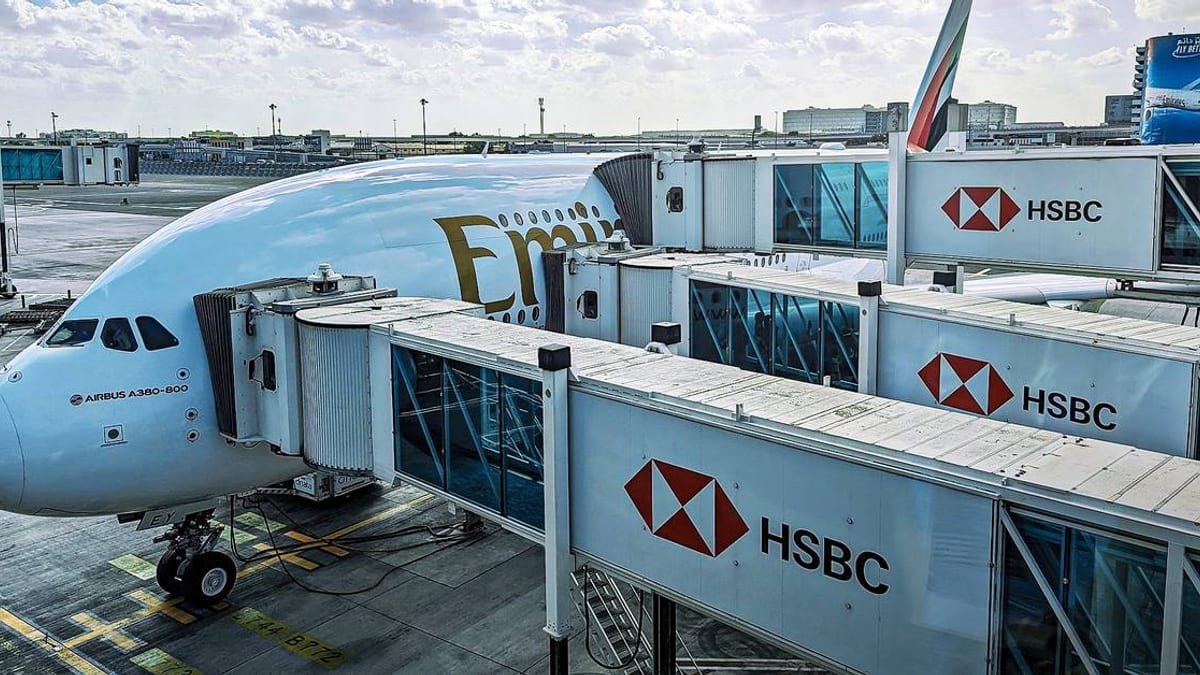
A380 Retirement Pulled Forward to 2028
Publicly available financial and fleet documents released in August 2026 show Qantas advancing the retirement of its ten remaining Airbus A380s, with phase out now scheduled to begin in calendar year 2028. Earlier guidance had indicated retirements would start around the 2032 financial year, meaning the superjumbo’s departure has been accelerated by roughly four years.
Analyst briefings and independent coverage indicate that the revised timetable reflects higher maintenance costs on the ageing double deck jets and the availability of newer, more fuel efficient widebodies. Rather than a single cut off date, the A380s are expected to be “gradually phased out” from 2028, keeping the type in the fleet for several more years while replacement capacity is introduced.
Qantas’ latest annual report confirms that the A380 retirement will run in parallel with a broader long haul renewal, which also includes the start of Airbus A330 phase out from 2026. The airline is in discussions with both Airbus and Boeing to convert up to around 20 existing aircraft options into firm orders specifically to cover A380 capacity as those jets leave service.
Project Sunrise A350s Lead the Next Chapter
At the center of the replacement plan is the Airbus A350 1000ULR, which Qantas has selected for its Project Sunrise ultra long haul flights. Manufacturer information and Qantas briefing material describe a bespoke configuration of just 238 seats, substantially lower than most aircraft of similar size, with a heavy focus on premium cabins.
The A350 1000ULR layout includes six first class suites and 52 business suites, followed by 40 premium economy seats and 140 economy seats. Both Airbus and Qantas documentation highlight that these aircraft are being designed specifically for nonstop services such as Sydney to London and Sydney to New York, using additional fuel capacity and weight saving measures to operate flights of up to 20 hours.
Flight test reports show the first Qantas A350 1000ULR completed its maiden flight from Toulouse in June 2026, keeping the program on track for first deliveries in 2027. Investor material indicates that the initial A350s will enter service on flagship Project Sunrise routes before subsequent frames and additional widebody orders begin to take over missions currently flown by the A380.
From Skybed to Suites: How Qantas Business Has Evolved
The decision to move on from the A380 comes after Qantas already invested heavily in bringing its flagship aircraft into line with a newer generation of business class products. Earlier cabin upgrade programs introduced the “Business Suite” on the upper deck, replacing older angled lie flat seats and increasing the number of business seats to around 70 per aircraft.
These A380 Business Suites mirror the platform now used on Qantas Boeing 787 9s, with direct aisle access in a 1 2 1 configuration and fully flat beds. Industry reviews note that the retrofit narrowed the product gap with Asian and Middle Eastern competitors, even as other parts of the A380 cabin, particularly economy, remained closer to their original design.
Project Sunrise goes a step further. Qantas’ A350 materials describe a new generation of business suite that for the first time incorporates a sliding door for additional privacy, along with an alternating layout that allows center pairs to be opened up for couples or closed off for solo travelers. Screens are larger than on the current A380 and 787, and the airline is emphasizing improved storage, device charging and lighting as part of a more residential feel.
Network and Capacity Impacts for Long Haul Travellers
Advancing A380 retirement raises questions about capacity on trunk routes from Australia to Europe and North America. Aviation industry analysis suggests the airline will blend multiple fleet moves to cover the gap, including additional orders for A350s and Boeing 787s, as well as redeploying existing 787 9s from other markets as A330s begin to leave the international network.
Briefings to investors indicate that while the accelerated A380 exit reduces some of the net growth originally assumed under Project Sunrise, it is not currently expected to lead to a structural reduction in long haul flying. Instead, the pattern is expected to shift toward smaller but more numerous aircraft, with frequency and range gains offsetting the raw seat count once provided by the 485 seat A380.
For passengers, the transition means that more long haul services will be operated by twin engine jets with a higher percentage of premium seating. Analysts caution that this mix, combined with strong demand on nonstop ultra long haul routes, could place upward pressure on average fares, particularly in business and premium economy cabins, while also improving unit economics for the airline.
What It Means for the Future of the Superjumbo
Qantas’ revised plan adds to a broader pattern among A380 operators, many of which are reassessing the type as new generation widebodies become available. Industry data shows just under 200 A380s still in service worldwide, with airlines in the Middle East and Asia taking differing approaches to refurbishment and long term deployment.
In Qantas’ case, the accelerated withdrawal underscores the limited scope for further major refits beyond the existing business class upgrade, given the aircraft’s remaining service life. Discussion within the frequent flyer community has already shifted toward how long individual frames will stay on key routes and whether any will see secondary markets before final retirement.
While the A380 is likely to remain a fixture on marquee services such as Sydney to Singapore and London for several more years, current plans suggest that by the early 2030s Qantas long haul flying will be dominated by A350s and 787s equipped with the airline’s newest generation of business suites. For enthusiasts of the double decker, the new timeline signals that the window to experience the Qantas A380 is narrowing more quickly than previously expected.
Qantas: Onboard experience with Project Sunrise
Qantas Group Annual Report 2026
Aviation Week: Qantas brings forward A380 replacement plans
One Mile at a Time: Qantas A380 retirement and pricing impacts