


More news on this day
A UK EasyJet flight heading home from holiday was forced to divert to Germany after a reported technical issue, cutting short passengers’ journey and leaving many facing an unexpected overnight stay and mounting disruption.
Get the latest news straight to your inbox!
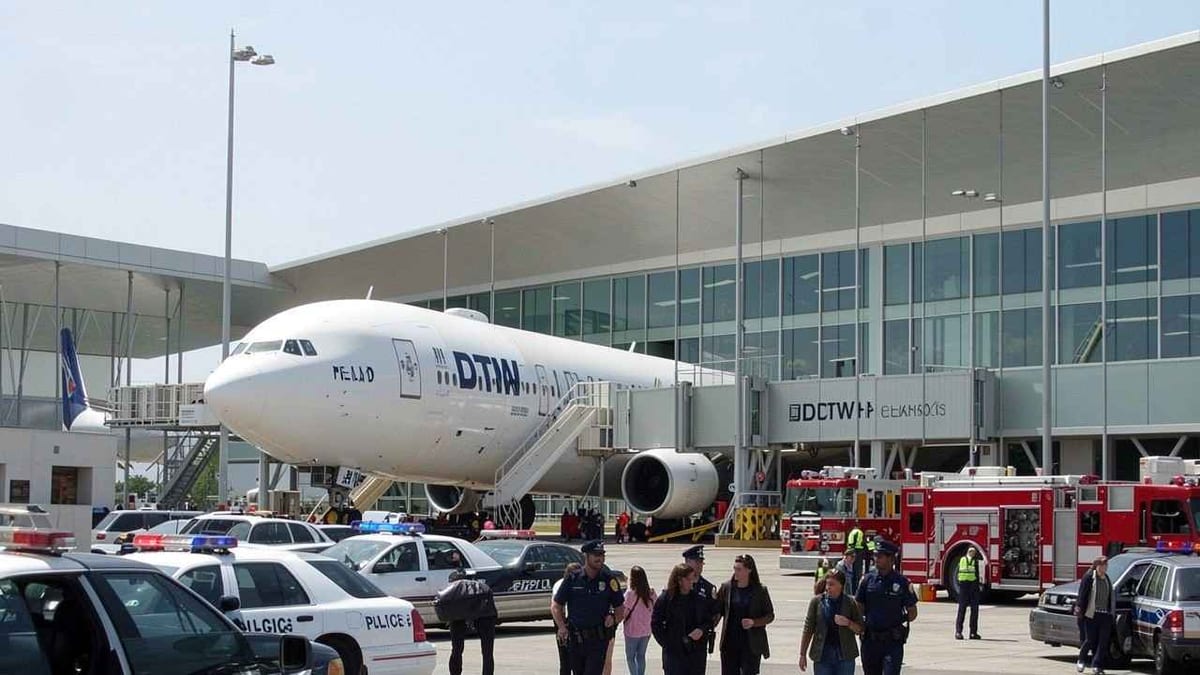
Flight to the UK forced to land in Munich
According to multiple German and UK media reports, the incident involved EasyJet flight U2 8695, a service returning holidaymakers from a trip to London that was rerouted to Munich on Saturday 4 July. The Airbus aircraft was en route when a technical problem was detected, prompting the crew to discontinue the flight to its planned destination and request a diversion to southern Germany.
Publicly available coverage indicates that the aircraft landed safely in Munich, where emergency services stood by as a precaution. The diversion turned what should have been a routine return leg for dozens of passengers into an unplanned stopover hundreds of kilometres from home.
Initial local reporting described the flight as having experienced a defect affecting one of its engines, though full technical details have not been released. The airline has been quoted in press coverage as confirming that a technical issue occurred during the flight and stressing that safety was not compromised.
There were no immediate reports of injuries among passengers or crew. However, interviews carried by German media described the experience as stressful and drawn out, with the latter part of the flight characterised by uncertainty about whether the plane would continue or divert.
Technical issue triggers precautionary diversion
While EasyJet has not publicly detailed the precise fault, reporting in Germany characterised the problem as a defect associated with one of the engines. In such cases, standard operating procedures require crews to treat the issue conservatively, opting for the nearest suitable airport rather than pressing on to the original destination.
Aviation analysts note that modern commercial aircraft are designed to cope safely with a wide range of technical malfunctions, and diversions are generally precautionary. Diverting to Munich offered a major international hub with extensive maintenance support, long runways and established emergency response arrangements.
Publicly available flight-tracking data for EasyJet services on 4 July show the aircraft turning toward southern Germany before landing at Munich, consistent with a mid‑route decision to divert. Although the situation did not escalate into a full-blown emergency, passengers described the atmosphere on board as tense while they waited for information.
The airline has reiterated in previous statements in similar situations that safety is its top priority and that diversions for technical reasons are made to allow engineers to inspect the aircraft thoroughly before it undertakes further commercial flights.
Passengers stranded and facing disrupted travel plans
The diversion left passengers unexpectedly stranded in Germany instead of reaching the UK as scheduled. Reports from Munich describe travelers disembarking into the terminal late in the day, many still unsure how and when they would be able to continue their journeys.
Coverage in German and British outlets indicates that some passengers struggled to secure immediate onward travel due to limited late‑evening connections and high summer demand on routes between Germany and the UK. For several families, this meant organizing last‑minute hotel stays, rearranging work commitments and rebooking connecting transport at their own expense while they waited for further information from the airline.
Social media posts from people claiming to have been on board spoke of long queues at service desks and difficulties reaching customer support to confirm rebooked flights. Others described the emotional toll of being unexpectedly separated from companions who were able to secure earlier onward flights while they remained in Munich overnight.
At the time of writing, detailed accounts of compensation or expense reimbursement for the affected passengers have not yet been widely reported, but past cases suggest that outcomes may depend on whether the technical fault is ultimately classified as within the airline’s control under UK and EU passenger rights rules.
What is known about EasyJet’s response
Publicly available information suggests EasyJet arranged rebookings on later services for passengers who were able to continue to the UK that evening or the following day. In previous technical‑issue diversions, the airline has typically provided hotel accommodation and meal vouchers where local availability allows, although individual experiences often vary depending on timing and capacity at nearby hotels.
Media reports about recent EasyJet disruptions show a pattern in which some travelers receive prompt support at the airport, while others rely on arranging their own accommodation and seeking reimbursement later. Travel rights specialists frequently advise passengers in such situations to keep itemized receipts and records of any additional costs incurred while stranded.
The incident near Munich adds to a run of operational challenges for the carrier this summer season, including weather‑related diversions, border‑control delays and isolated security issues on other routes. Industry observers note that while diversions for technical reasons are not uncommon across European airlines, the concentration of incidents affecting EasyJet services has heightened public sensitivity to disruption.
As of early July, EasyJet has not issued a detailed public breakdown of the measures offered specifically to those on flight U2 8695 in Germany, beyond general statements in news reports referring to passenger safety and operational protocols.
Broader context for UK and EU air passengers
The Munich diversion underscores the ongoing complexity of air travel for UK holidaymakers this summer. Even routine short‑haul flights can be disrupted by factors ranging from on‑board technical issues to congested airspace, staffing constraints and new border‑control systems across Europe.
For passengers on the affected EasyJet service, the incident has raised familiar questions about what support travelers can reasonably expect when stranded in a third country through no fault of their own. Public guidance on UK and EU air passenger rights indicates that airlines may be required to provide care, including meals and accommodation, when significant disruption occurs, regardless of the underlying cause.
However, eligibility for additional financial compensation typically depends on whether the disruption is deemed within an airline’s control. Technical problems that can be linked to regular maintenance or preventable defects are often treated differently from rare manufacturing issues or external safety concerns. Passengers from the diverted EasyJet flight are likely to review the final explanation of the fault closely when considering potential claims.
With the main European holiday season now under way, the diversion to Munich serves as a reminder for travelers to factor potential disruption into their plans, ensure they understand their air travel rights, and consider the role of travel insurance in covering costs when flights do not go as scheduled.