


More news on this day
Egypt is accelerating plans to develop Marsa Matrouh from a classic summer escape into a year-round Mediterranean hub, with expanded air services and transport incentives aimed at drawing more international and domestic visitors beyond the peak season.
Get the latest news straight to your inbox!
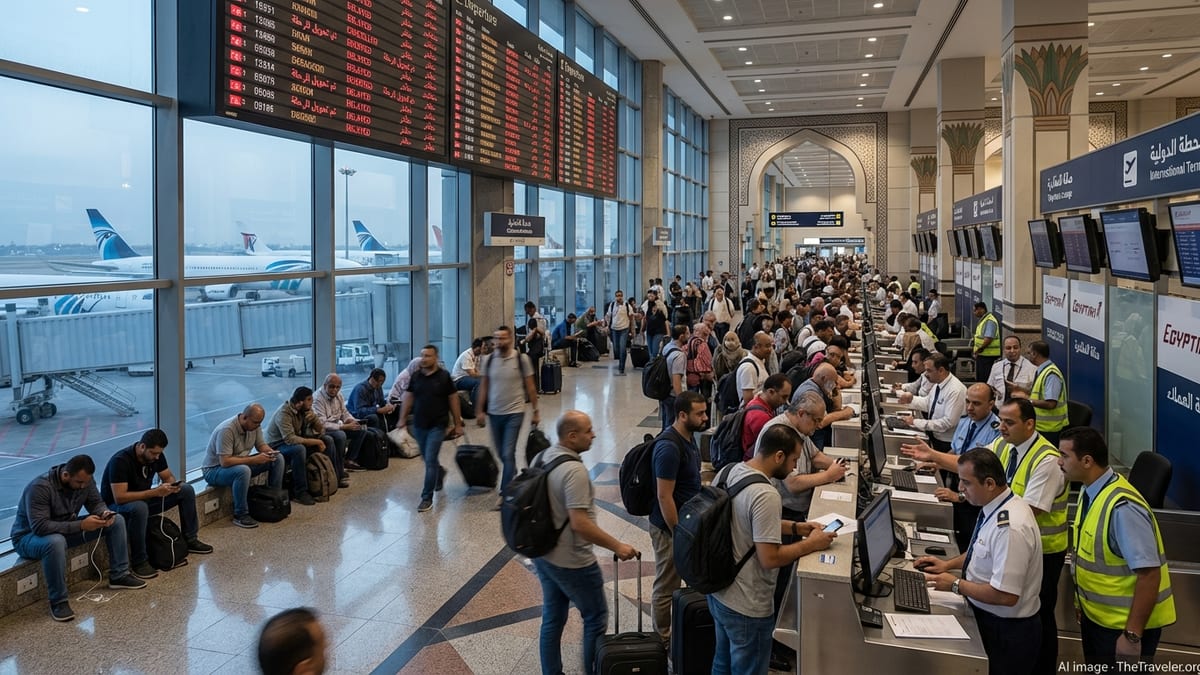
Year-Round Vision for Egypt’s Northwestern Coast
Recent policy announcements and planning documents indicate that Marsa Matrouh is central to Egypt’s ambition to transform the North West Coast into a year-round tourism and lifestyle corridor, rather than a destination tied mainly to the summer months. Government communications on development in Matrouh governorate describe a shift toward permanent tourism and residential activity, supported by new infrastructure and services designed to keep the area active throughout the year.
Publicly available briefings on national tourism strategy emphasize a broader goal of positioning Egypt as one of the world’s most diverse destinations, integrating cultural, coastal, desert and leisure products in a single trip. Within this framework, the North Coast, including Marsa Matrouh, is being connected more closely with other Mediterranean and desert attractions, so that visitors can combine beach stays with heritage, wellness or eco-tourism experiences further inland.
Analyses of Egypt’s tourism sector point to the North West Coast as a growth area, citing previous examples such as purpose-built airports that helped unlock demand for emerging seaside resorts. Marsa Matrouh International Airport, together with the wider development of the coastal strip, is seen as a key asset for widening the country’s visitor base beyond the better-known Red Sea and Nile Valley hubs.
Reports on regional planning along the coast from West Ras Hekma to Sallum highlight Marsa Matrouh as a central node in three development sectors that extend toward the Libyan border. By anchoring tourism, real estate and services in and around the city, authorities aim to disperse visitor flows, relieve pressure on traditional hotspots and extend the tourism season along the Mediterranean shore.
Expanded Air Connectivity and Incentive Packages
Egypt’s tourism and aviation authorities have jointly outlined incentive programs intended to encourage airlines to add or sustain routes into coastal airports, including Matrouh. According to publicly available information, the civil aviation sector has introduced discounts on landing, parking and ground-handling charges at selected coastal gateways as part of a wider effort to boost arrivals, particularly from European markets.
These aviation incentives build on a national approach that views air connectivity as the backbone of the tourism economy, with official statistics indicating that the vast majority of visitors arrive by air. Policy briefs state that Egypt is working to strengthen international links from key source markets while also improving domestic routes between cities and resort areas, making it easier for travelers to move between cultural centers and coastal destinations in a single itinerary.
Industry-focused coverage notes that major tour operators have been expanding their programs to include Marsa Matrouh alongside established Red Sea destinations. Market reports describe rising interest from European companies in adding the North Coast to their seasonal schedules, reflecting growing demand for Mediterranean climates in combination with Egypt’s cultural attractions and competitive pricing.
Alongside aviation-focused measures, tourism authorities have promoted joint marketing campaigns with airlines and tour operators to raise the profile of North Coast destinations. These efforts include targeted promotions in key outbound markets and collaborative branding designed to present Marsa Matrouh as part of a broader Egyptian Mediterranean experience that also encompasses nearby new coastal cities.
Transport Links and Domestic Access to Marsa Matrouh
While additional international air links are central to the strategy, domestic access to Marsa Matrouh is also being strengthened. Rail authorities have announced seasonal sleeper and air-conditioned services between Cairo and Marsa Matrouh to accommodate increased summer traffic and encourage local tourism. These services are presented as part of a broader plan to support internal travel, absorb peak-season demand and make coastal getaways more accessible to residents from across the country.
Historical information on national rail and road investment shows that coastal destinations have long benefited from infrastructure upgrades aimed at boosting tourism flows. Recent planning updates for the North West Coast continue this trend, with attention given to road improvements, utilities and new urban zones that can support hotels, holiday homes and year-round communities in and around Marsa Matrouh.
For domestic travelers, the combination of train links, highway access and air services positions Marsa Matrouh as a more flexible option, whether for extended holidays or short breaks. Travel industry observers suggest that improving connectivity within Egypt can also support multi-stop itineraries, with visitors pairing a cultural stay in Cairo or Alexandria with days on the Mediterranean coast.
As transport networks improve, operators are expected to experiment with new package formats that blend domestic and international segments, particularly for travelers arriving on long-haul flights into Cairo and then connecting onward to secondary destinations such as Marsa Matrouh.
Marketing Marsa Matrouh’s Mediterranean Appeal
Destination marketing materials describe Marsa Matrouh as a traditional Egyptian summer retreat known for turquoise bays, calm waters and white-sand beaches. The city’s long-standing role as a family-oriented escape is often contrasted with newer, more high-profile North Coast developments, giving it an image of laid-back charm that resonates with domestic visitors and nostalgia associated with mid-20th-century cinema.
Tourism promotion strategies increasingly present Marsa Matrouh as part of a diversified portfolio of coastal experiences, ranging from upscale resorts to quieter seaside towns and nature-oriented getaways. This positioning is aligned with national objectives to showcase Egypt’s variety of landscapes and experiences, appealing to travelers seeking both relaxation and cultural depth.
Market commentary points out that Marsa Matrouh’s relative proximity to historical sites, desert oases and emerging urban projects enables a wider range of excursions and thematic trips. These can include excursions to heritage locations, World War II history sites, or nearby planned developments, broadening the appeal beyond traditional sun-and-sea holidays.
By integrating these elements into its promotional narrative, Egypt aims to attract visitors who might normally choose alternative Mediterranean destinations. The focus on authenticity, coastal scenery and the possibility of combining beach time with history and nature is intended to differentiate Marsa Matrouh within a competitive regional landscape.
Sustainability, Investment and Future Prospects
Recent international assessments of Egypt’s tourism policies highlight an increased emphasis on sustainability, environmental management and diversification. These reviews note that tourism planning along the North Coast is tied to broader strategies for coastal zone management, resource protection and climate resilience, all of which are increasingly important to international travelers and investors.
Investment-focused publications describe the North West Coast, including the area around Marsa Matrouh, as a priority zone for large-scale projects spanning hospitality, housing and services. Authorities have promoted opportunities in distinct coastal sectors and encouraged private partners to develop resorts, marinas and leisure facilities that can operate beyond the traditional summer peak.
At the policy level, tourism planners are working to align new projects with national branding that underscores diversity and quality of experience. Public communications stress that improving visitor services, digital infrastructure and transport connectivity will be essential to competing with other Mediterranean destinations and capturing repeat business.
As additional air links and incentive schemes take effect, sector analysts expect Marsa Matrouh’s tourism profile to rise in tandem with wider North Coast development. The city’s evolution from a primarily seasonal escape to a more integrated, year-round destination will depend on the pace of new flight introductions, the response of international operators and the continued enhancement of infrastructure that connects visitors to Egypt’s broader network of attractions.