


More news on this day
A Delta Air Lines Airbus A321 operating as Flight DAL436 from Atlanta to Dallas made a precautionary diversion to Houston George Bush Intercontinental Airport on August 7, with public tracking information indicating a safe landing and no reported injuries.
Get the latest news straight to your inbox!
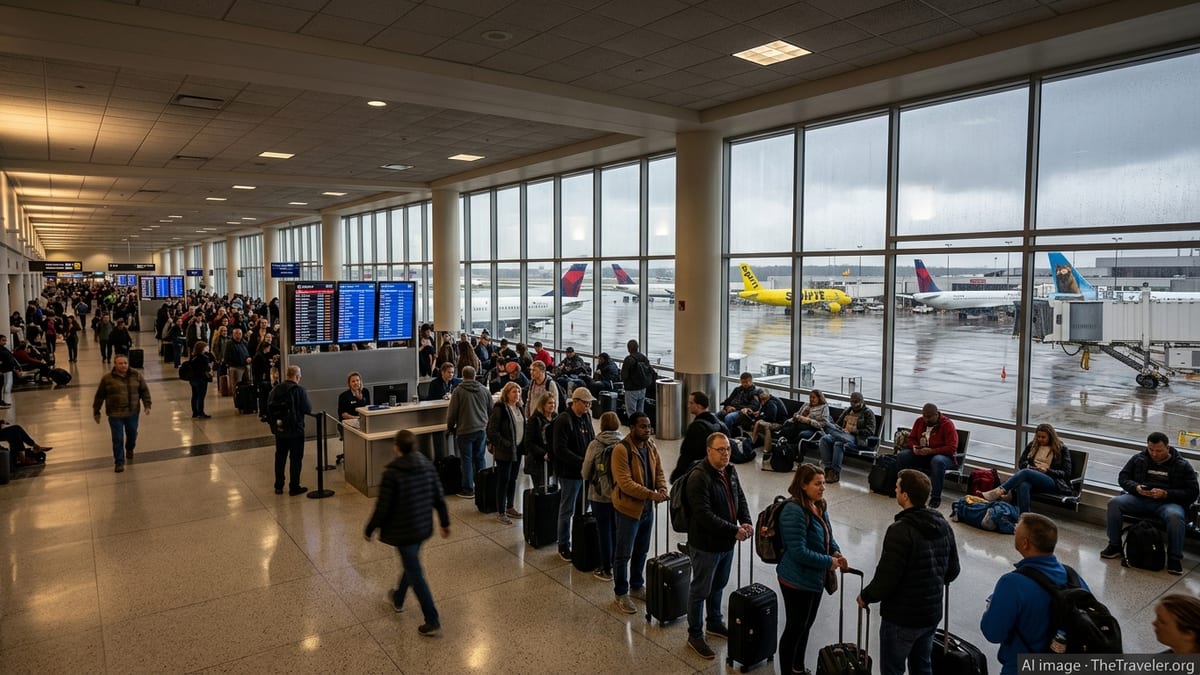
Unscheduled Stop on a Busy Domestic Corridor
Flight DAL436 was scheduled to operate a routine domestic service between Hartsfield Jackson Atlanta International Airport and Dallas on 7 August, using an Airbus A321 211, one of the most common single aisle aircraft in Delta Air Lines’ fleet. The route between Atlanta and the Dallas area is among the busiest domestic city pairs in the United States, carrying a mix of business travelers, connecting passengers and leisure flyers.
Data available from flight tracking platforms shows that DAL436 departed Atlanta as planned before altering course partway through the journey. Instead of continuing toward its intended destination in the Dallas area, the aircraft turned toward Houston, descending and landing at George Bush Intercontinental Airport, a major Texas hub located north of downtown Houston.
Publicly accessible information indicates that the aircraft taxied to a stand following arrival in Houston, where passengers were able to disembark. There were no immediate indications in open reporting of injuries among those on board, and there was no suggestion of a more serious emergency such as a hard landing or runway excursion.
As of the latest information, the precise technical or operational reason that led the crew to divert DAL436 to Houston has not been detailed in publicly available reports. However, commercial aircraft routinely divert as a precaution in response to a range of issues, from technical indications in the cockpit to passenger medical concerns, weather and air traffic constraints.
Houston George Bush Intercontinental’s Role in Diversions
George Bush Intercontinental Airport regularly serves as an alternate landing option for flights crossing the southern United States, including services between Atlanta and Texas destinations. The airport offers extensive runway infrastructure, around the clock operations and a full suite of emergency and maintenance services, making it a logical choice for an unscheduled stop for a large narrowbody jet such as the Airbus A321.
Operational data and historical records of flight activity into Houston show that diversions are not uncommon at the airport, owing to its location along several key east west and north south corridors. Airlines often nominate Houston as an alternate landing site on flight plans when routing aircraft across the Gulf Coast region or through the central United States.
In the case of DAL436, routing to Houston would have provided a major facility within relatively short flying time from the aircraft’s position once the crew decided not to continue to the Dallas area. The airport’s network of gates, ground handling partners and maintenance resources typically allows airlines to manage disrupted flights more efficiently than at smaller regional fields.
For passengers, diversions to a large hub such as George Bush Intercontinental generally mean better onward travel options, whether through rebooking on later flights, arranging overnight accommodation if necessary, or coordinating ground transport to final destinations within driving distance.
Passenger Impact and Disruption Management
A mid route diversion such as the one involving DAL436 can significantly disrupt travel plans, particularly on short haul domestic sectors where many travelers expect same day arrivals. Passengers may miss onward connections, business meetings or family events, and airlines must quickly mobilize customer service teams to manage the ripple effects.
According to typical airline disruption protocols, customers on DAL436 would be re accommodated on later services to their final destinations once the situation with the aircraft became clear. On a dense corridor like Atlanta to the Dallas area, carriers normally have multiple daily flights and interline options that can help absorb affected travelers, although seat availability can be tighter during peak travel periods.
Public discussions following similar events often highlight how passengers value timely, transparent information and practical support during irregular operations. Real time updates via airline mobile apps, airport displays and gate announcements can help travelers make decisions about connections, ground transport and accommodation.
At the same time, consumer advocates regularly point out that compensation and reimbursement policies vary depending on the cause of the disruption. Diversions that stem from safety related or weather related issues are often treated differently from those linked to crew or scheduling problems, with the exact remedies depending on airline policies and the regulatory framework in the markets involved.
Safety Protocols and Industry Context
Even when they attract widespread attention, diversions like that of Flight DAL436 fit within established safety practices that govern commercial aviation. Flight crews are trained to prioritize safety over schedule considerations and to divert whenever any aspect of the flight falls outside acceptable parameters, whether due to technical alerts, environmental factors or health concerns in the cabin.
Industry data and safety reviews consistently show that precautionary landings are an important component of modern risk management in aviation. Airlines and regulators encourage conservative decision making in the cockpit, reinforcing the idea that rerouting to an alternate airport is preferable to pressing on with a flight when conditions are uncertain.
In many cases, post flight inspections reveal that the underlying issue was minor or quickly rectified, but the decision to divert is nevertheless treated as justified. From a safety culture perspective, the willingness of crews to take such measures is a positive sign that operational policies are being followed as intended.
For travelers, events like the DAL436 diversion serve as a reminder that complex logistics underpin seemingly routine flights. Aircraft routing, crew duty limitations, weather patterns and air traffic management all interact behind the scenes, and deviations from the original plan, while inconvenient, often reflect a system designed to keep safety at the forefront.
What Travelers Can Take Away
For passengers planning journeys on busy domestic routes such as Atlanta to the Dallas area, the diversion of DAL436 highlights the value of preparing for unexpected changes. Travel experts frequently recommend building additional time into itineraries that involve important same day commitments, particularly when connections are required.
Maintaining up to date contact details with airlines, enabling mobile notifications and using flight tracking tools can help travelers stay informed if a flight experiences an irregular operation. Having essential items such as medication, chargers and basic toiletries in a carry on bag also reduces the impact of an unplanned overnight stay away from the intended destination.
While diversions remain relatively rare events compared to the overall volume of flights operating each day in the United States, they are a normal feature of the aviation landscape. As Flight DAL436’s unscheduled arrival into Houston illustrates, large hub airports across the country stand ready to receive these flights, ensuring that safety margins are preserved even when schedules are disrupted.
As more details emerge through operational updates and public reporting, DAL436 will become one more data point in the ongoing story of how airlines manage complex networks in real time, adjusting routes and deploying resources to keep passengers safe while working to restore their journeys as quickly as conditions allow.