


More news on this day
An American Airlines flight operated by Envoy Air on an Embraer E170SE diverted and returned to General Wayne A. Downing Peoria International Airport on August 9 after departing for Chicago, according to publicly available flight-tracking information and local coverage. The turnaround affected travelers on the short-haul Peoria to Chicago route and highlighted how quickly operational or safety concerns can alter even routine regional flights.
Get the latest news straight to your inbox!
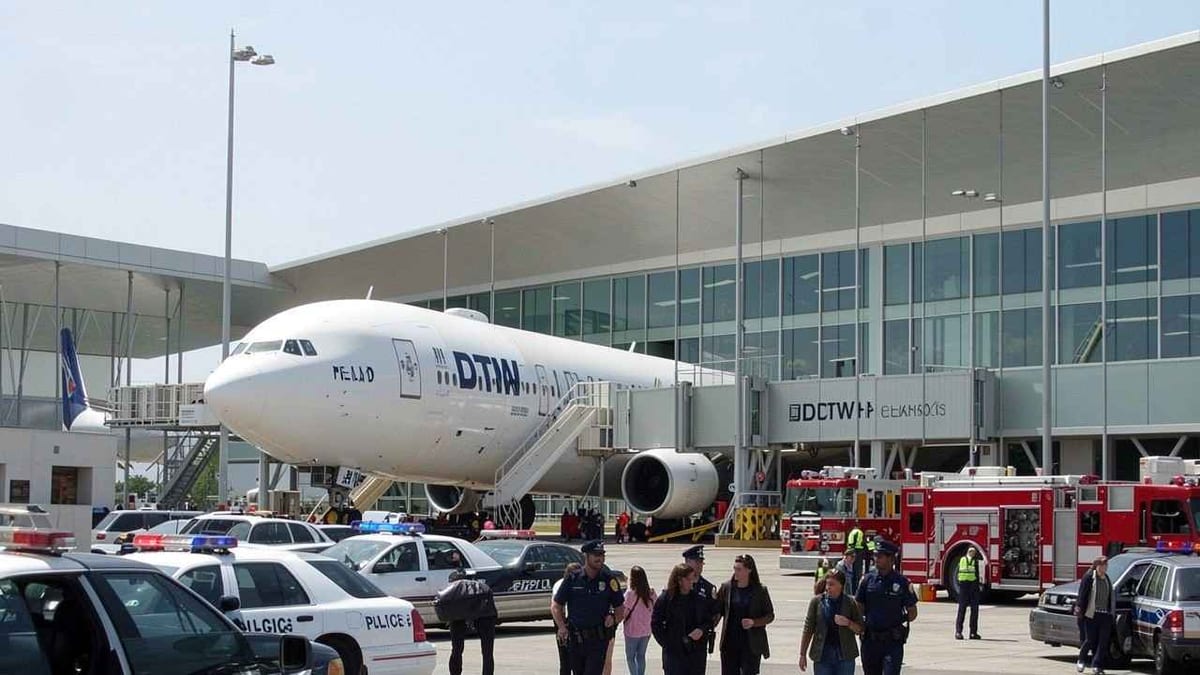
What Happened On The August 9 Peoria–Chicago Flight
Initial data from flight-tracking services indicates that the American Airlines-branded regional flight departed General Wayne A. Downing Peoria International Airport on the afternoon of August 9, bound for Chicago O Hare. The service was operated by Envoy Air using an Embraer E170SE, a 70 to 76 seat regional jet that regularly connects smaller Midwest cities with major hubs.
Shortly after departure, the aircraft stopped its climb and turned back toward Peoria rather than continuing on its scheduled routing to Chicago. Available information shows the jet landed back at Peoria, where it remained on the ground instead of immediately relaunching for Chicago. There were no early indications of injuries or visible damage, and the aircraft landed under its own power.
Publicly available information does not yet point to a single clear cause for the diversion. In similar regional operations, factors such as mechanical alerts, weather constraints near the destination, or crew duty-time limits can all prompt a decision to abandon a short sector and return to the departure airport. In this case, reports have not indicated any emergency declaration, and the return appeared to be controlled and orderly.
The flight was part of the American Eagle network, in which mainline American Airlines markets and sells the service while an affiliated regional carrier such as Envoy Air operates the aircraft and crew. For travelers, the distinction is largely invisible until irregular operations create questions over rebooking, compensation, and onward connections.
What Passengers Typically Experience During A Diversion
When a short regional segment such as Peoria to Chicago is disrupted mid-flight, the experience for passengers can vary significantly depending on the underlying cause and airport resources. In many recent cases across the United States, diversions related to weather, air-traffic constraints, or minor mechanical issues have resulted in aircraft returning to a gate with customers either remaining on board or being asked to deplane while the situation is assessed.
For an event such as the August 9 return to Peoria, travelers would typically be informed by flight attendants and the flight deck that the aircraft is returning to the origin airport, without detailed technical explanations. Once on the ground, the airline and regional operator decide whether to keep customers on the aircraft for a potential quick turnaround, move them to the terminal for rebooking, or cancel the flight outright if the aircraft or crew can no longer continue.
Recent disruptions on other American-branded regional flights into and out of Chicago have shown how extended delays can emerge from a combination of storms, air-traffic flow restrictions, and crew scheduling limits. In several documented instances this summer, diverted flights sat on the ground at alternate airports while crews approached or exceeded federal duty-time limits, forcing cancellations or the search for replacement crews. Events of that type illustrate how even a straightforward return-to-origin can cascade into missed connections and overnight stays.
Passengers on the Peoria flight were booked on a route that often feeds into longer domestic or international journeys from Chicago. When a flight returns to Peoria rather than reaching the hub, travelers connecting beyond Chicago may need to be re-accommodated on later departures, routed through different hubs, or, in some cases, held until the original aircraft and crew are cleared to operate again.
About Envoy Air, American Eagle, And The Embraer E170
Envoy Air is a wholly owned regional subsidiary of American Airlines Group and one of the primary operators of American Eagle-branded flights. The company focuses heavily on Embraer E-Jet family aircraft, including the E170 and E175, serving major hubs such as Chicago O Hare, Dallas Fort Worth, and Miami. Under this structure, passengers purchase tickets from American Airlines, while Envoy provides the aircraft and crews under the American Eagle brand.
The Embraer E170SE used on the August 9 Peoria service belongs to a widely deployed family of regional jets designed for short and medium-haul routes. The E170 series typically seats around 70 passengers in a two-by-two configuration that avoids middle seats, a feature many travelers prefer compared with older regional jets. Industry data highlights the E-Jet family as having a strong operational reliability record across North American regional networks.
In the American Eagle system, aircraft like the E170 are routinely assigned to high-frequency routes linking smaller communities such as Peoria with national and international hubs. These flights are essential connectors for business travelers, students, and leisure passengers who rely on seamless same-day connections, particularly through Chicago O Hare, which functions as one of American s largest connecting complexes.
Peoria International itself plays a key role in the downstate Illinois air network. The airport handles a mix of regional jet services to major hubs and low cost or leisure flights to warm-weather destinations. Short legs to Chicago have historically been a mainstay of its scheduled service, making any disruption on the Peoria Chicago corridor especially visible for central Illinois travelers.
How This Fits Into A Summer Of Midwestern Disruptions
The August 9 diversion comes during a summer travel period marked by repeated weather and operational disruptions across the Midwest. In recent weeks, travelers on various airlines have described being diverted away from Chicago to alternate airports or back to their points of origin as thunderstorms, low visibility, and congestion limited arrivals into O Hare.
Regional jets operated for American, United, and other carriers have at times been forced to hold, divert for fuel, or return to departure airports as air-traffic managers adjusted arrival rates into Chicago. Public discussions among passengers on social platforms have highlighted evenings where multiple aircraft diverted to cities such as Peoria, St. Louis, and airports in neighboring states while waiting for conditions in Chicago to improve.
In this context, a Peoria based Embraer returning rather than pressing on to Chicago fits a broader pattern where conservative operational decisions favor staying within reach of maintenance facilities, spare crews, and available gates. Although frustrating for travelers, this approach can reduce the risk of aircraft and passengers being stranded at an airport with fewer resources or closed arrival routes back to the main hub.
Travel analysts point to the constrained nature of Chicago O Hare arrivals, especially during peak banks of connecting flights, as a significant factor in the frequency of diversions. When thunderstorms track across northern Illinois or air-traffic flow programs are imposed, shorter regional sectors are often among the first to be delayed, canceled, or turned back because alternative ground transport or later flights may be available.
What Travelers From Peoria To Chicago Should Do Next Time
For passengers regularly flying between Peoria and Chicago, the August 9 incident underscores the importance of planning for potential disruptions during the busiest travel months. Travel planning resources commonly recommend building extra connection time at Chicago O Hare, especially when itineraries include onward international flights or last departures of the day to smaller cities.
Booking earlier-in-the-day departures can provide more rebooking options if a flight returns to Peoria or is significantly delayed. Travelers may also benefit from monitoring weather forecasts for Chicago and central Illinois, as widespread convective storms or low ceilings have historically led to ground stops, holding patterns, and diversions across the regional network.
Experts in airline operations note that regional jets like the Embraer E170 are generally reliable, but safety margins and regulatory requirements demand that crews react promptly to any abnormal indications or operational constraints. A decision to return to the departure airport, even on a seemingly routine sector, is typically framed around maintaining conservative safety buffers rather than trying to preserve the schedule at all costs.
For those booked on American Airlines flights operated by Envoy Air, understanding the American Eagle brand structure can also help when disruptions occur. Customer service, rebooking options, and mileage credit are handled through American, even though the aircraft and crew belong to Envoy. Keeping confirmation numbers accessible, using airline mobile apps, and proactively searching for alternative routings can make a significant difference when a short regional hop unexpectedly turns back to where it started.