


More news on this day
High in the Rocky Mountains of western Colorado, a narrow, cliff-walled lake at Curecanti National Recreation Area is gaining attention as a quiet, fjord-like alternative to the state’s busier boating and fishing destinations.
Get the latest news straight to your inbox!
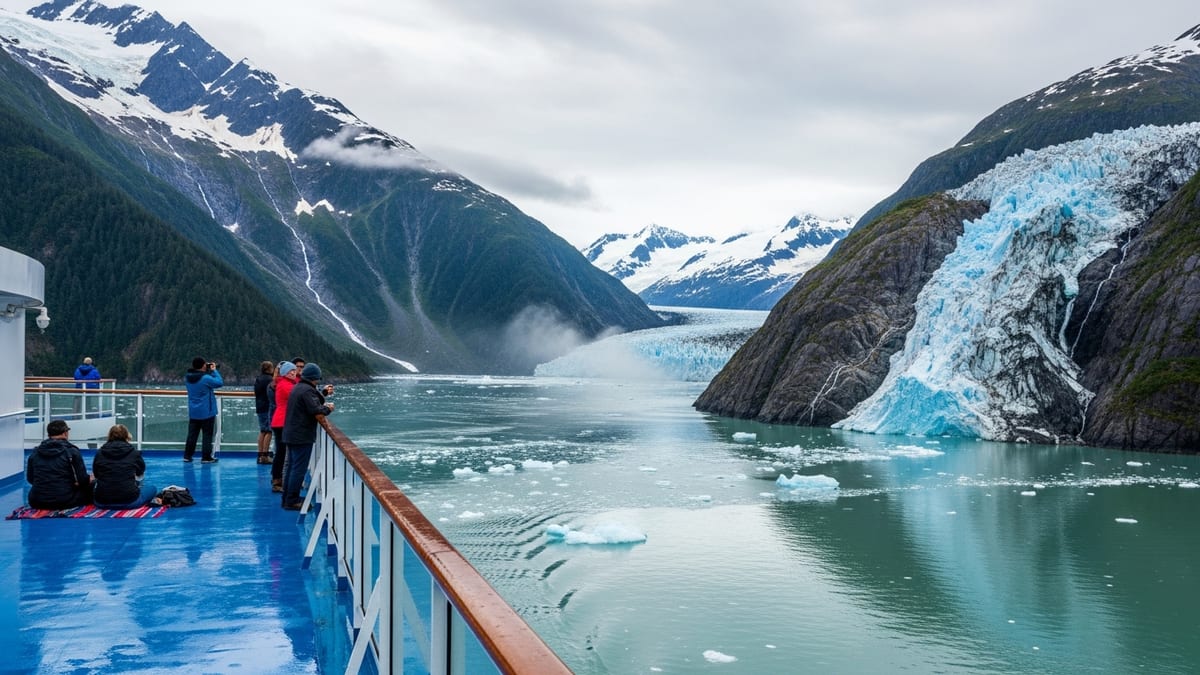
A Steep Descent to a Fjord-Like Corner of the Rockies
Morrow Point Reservoir sits in the upper reaches of the Black Canyon of the Gunnison, backed up behind the concrete Morrow Point Dam on the Gunnison River. Publicly available National Park Service information describes it as a remote, roughly 12-mile-long reservoir hemmed in by steep volcanic cliffs, creating a landscape that visitors and travel writers often compare to an inland fjord.
The reservoir is one of three major impoundments within Curecanti National Recreation Area, but it offers a markedly different character from the broad expanses of nearby Blue Mesa Reservoir. Access typically begins at the Pine Creek Trailhead along U.S. Highway 50, where visitors descend a long staircase of more than 200 steps before following a shoreline trail to informal launch areas.
Recent reservoir storage updates from Gunnison County, based on Bureau of Reclamation data for June 2026, indicate Morrow Point is close to 90 percent full. Those conditions have translated into substantial surface area within the sheer canyon walls, reinforcing its reputation as a dramatic flatwater setting when other Western reservoirs are still recovering from years of drought.
National recreation area planning materials highlight that Morrow Point and neighboring Crystal Reservoir are managed with a backcountry emphasis. The combination of stair access, hiking approach and tight canyon confines has limited development along the water’s edge, helping preserve a sense of isolation even as wider interest in the region grows.
Limited Access and 2026 Construction Shape Boating Plans
Boating on Morrow Point Reservoir is intentionally constrained. National Park Service guidance notes that only hand-carried craft such as kayaks, canoes and small inflatables are permitted for general visitors, with boaters required to hike gear down to the water. That backcountry model sharply contrasts with Blue Mesa Reservoir, where launch ramps, marinas and open-water cruising cater to larger motorized vessels.
For the 2026 warm season, access logistics have grown more complicated. According to recent park-focused travel coverage and National Park Service planning notices, the road to the Pine Creek Trailhead is scheduled to be closed to all access from late May through September for construction work. The closure effectively shuts off the principal route to Morrow Point’s shoreline for day users during the peak boating months.
Some commercial fishing and charter operators that normally serve the Curecanti reservoirs have already adjusted. Information published by regional outfitters in early 2026 indicates that at least one guiding service has suspended Morrow Point trips for this year because of water levels and access issues, while continuing operations on Blue Mesa Reservoir. Other businesses are promoting limited, specialized outings that account for the additional logistics of reaching the canyon waters.
Despite those constraints, smaller numbers of experienced paddlers continue to plan Morrow Point excursions around the construction schedule and shoulder seasons. Trip reports emphasize the need to verify current conditions, distances and stair access before committing to carrying boats and gear down into the canyon.
Boating Rules Emphasize Quiet Waters and Backcountry Safety
Park management materials show that Morrow Point’s regulations are designed to maintain both safety and a quiet-water experience. Hand-carried watercraft are the norm, and personal flotation devices are required. Because there are no developed marinas or fuel services on the reservoir, paddlers must plan for self-sufficiency once they launch into the canyon.
Backcountry use information published by the National Park Service specifies that boaters on Morrow Point must fill out a free backcountry use permit. The system allows land managers to track overnight use, particularly for parties camping at designated boat-in sites along the reservoir’s narrow shoreline. Maps updated for 2025 highlight basic regulations, including rules for campfires that prioritize the use of camp stoves or driftwood and stress the need to pack out all trash.
Officials have also emphasized that Morrow Point and Crystal Reservoir are part of a larger, carefully managed water-storage system on the Upper Colorado River. Recent environmental assessments by the Bureau of Reclamation review how operational changes, sediment, and fluctuating flows can affect fisheries, rafting and the overall aesthetics of the Gunnison River corridor below the dams. Those reviews help guide seasonal releases that in turn shape reservoir levels and access conditions for boaters.
Safety advisories note that steep canyon walls, variable spring inflows and cold water temperatures can pose risks to inexperienced paddlers. Visitors are encouraged by published materials to monitor weather, carry appropriate cold-water gear, and recognize that cell coverage is limited inside the Black Canyon.
Fishing Potential Draws Anglers Into the Canyon
While Morrow Point lacks the extensive shore access of Blue Mesa, its combination of depth, cold water and relative seclusion continues to attract anglers. Regional fishing guides describe the reservoir as one of Colorado’s more unusual opportunities, with a mix of trout species and other game fish in a dramatic canyon setting far removed from roadside lakes.
Outfitters based around Blue Mesa Reservoir market specialized charters and backcountry-style trips to Morrow Point when conditions permit, taking advantage of the reservoir’s structure and cooler temperatures. Promotional materials from 2026 point to the contrast between big-water trolling on Blue Mesa and the more intimate, cliff-lined environment of Morrow Point, where anglers often cast toward rock faces and submerged ledges.
Downstream and upstream, Colorado Parks and Wildlife regulations treat stretches of the Gunnison River as Gold Medal and Wild Trout Water, a state designation applied to highly productive trout fisheries. Recent regulation summaries highlight seasonal closures for kokanee salmon in nearby reaches of the river and restrictions around dam structures, signaling the importance of checking current rules before planning a fishing trip that connects reservoir and river segments.
Anglers heading into the canyon must also account for the physical demands of carrying rods, tackle and safety equipment down and back up the stair system. Some local reports note that the hike, combined with elevation, can surprise visitors accustomed to drive-up reservoir banks elsewhere in the Rockies.
Balancing Growing Interest With a Remote Character
As travel media and social platforms spotlight lesser-known corners of the Rockies, Morrow Point Reservoir’s combination of fjord-like scenery and relative solitude has drawn increasing attention. Recent features on Curecanti National Recreation Area emphasize that the narrow lake offers a distinctly different experience from Colorado’s front-range reservoirs and resort-focused mountain lakes.
At the same time, land managers and local stakeholders are working within long-standing mandates to balance recreation, hydropower and downstream water deliveries. Public documents from the Bureau of Reclamation and National Park Service frame Morrow Point’s scenic qualities as part of a broader resource system that must accommodate drought planning, infrastructure maintenance and ecological concerns.
For now, the steep stair access, hand-carried boat requirement and 2026 road construction keep overall visitation to Morrow Point relatively modest compared with more developed sites. Travel planners note that those same hurdles help preserve the sense of discovery that increasingly eludes popular mountain lakes served by paved ramps and large campgrounds.
For boaters and anglers willing to shoulder gear into the canyon and navigate seasonal closures, Morrow Point Reservoir continues to offer a rare combination in the Rockies: a flatwater journey framed by near-vertical cliffs, echoing some of the drama of coastal fjords in a distinctly inland setting.