

Moose Jaw is one of Saskatchewan’s most surprising small cities, a place where historic tunnels, mineral-rich spa waters, public art and prairie scenery all converge. For first-time visitors, a bit of planning goes a long way toward turning a simple stop along the Trans-Canada Highway into a memorable getaway. These essential tips will help you understand the seasons, navigate the city, choose where to stay, and experience Moose Jaw like someone who knows their way around town.
Understanding Moose Jaw and When to Visit
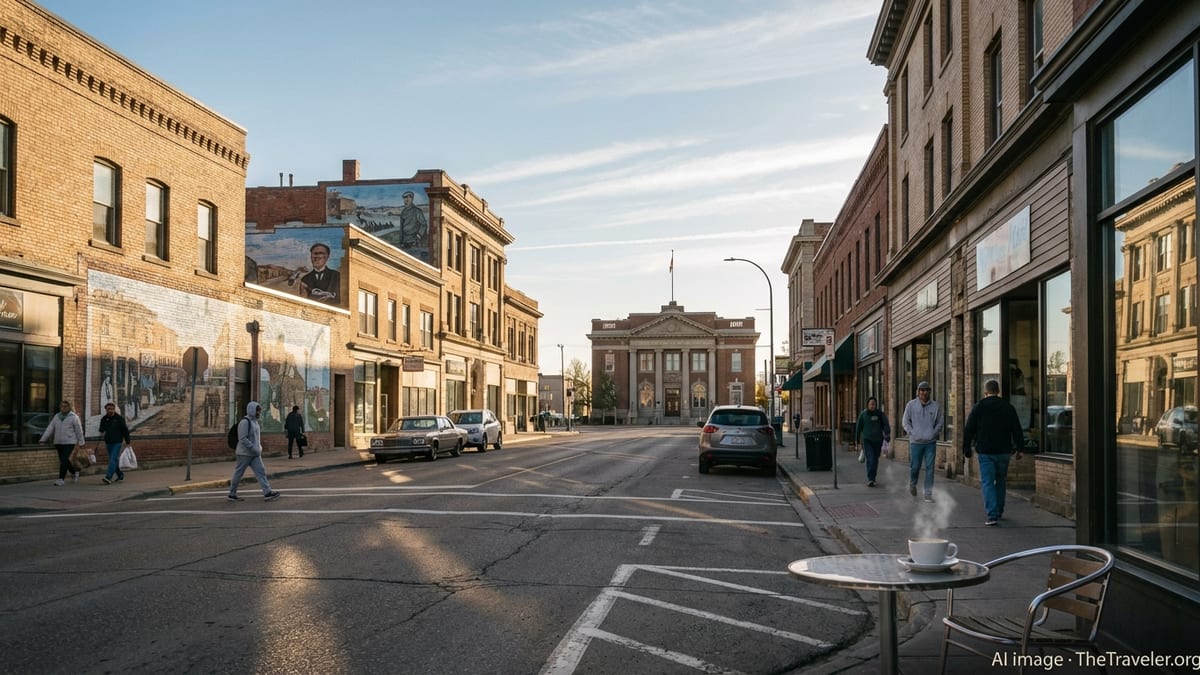
Moose Jaw sits in southern Saskatchewan on the Trans-Canada Highway, roughly 70 kilometres west of Regina. It is small enough to feel friendly and approachable, yet large enough to offer a good mix of attractions, restaurants and services. The downtown core is compact and walkable, framed by heritage architecture, large outdoor murals and the dramatic presence of Moose Jaw City Hall on Main Street North. Beyond downtown, the city stretches out into peaceful residential streets and open prairie, with the Wakamow Valley park system tracing the course of the Moose Jaw River.
Weather is one of the most important factors to consider when planning your first visit. Summers, typically from June through early September, are warm and often sunny, with long daylight hours that suit walking tours, patio dining and evening festival events. Spring and autumn can be beautiful but variable, with cool mornings and evenings, making layered clothing essential. Winters are cold and snowy, although the clear skies and crisp air can feel invigorating if you are prepared with proper outerwear.
For most first-time visitors, late May to early October offers the most comfortable conditions and the widest range of activities, from trolley tours to outdoor events and park visits. The Temple Gardens Mineral Spa and Casino Moose Jaw, both in the heart of downtown, operate year-round, making Moose Jaw a feasible cold-season escape as well. If you are drawn to soaking in hot mineral water while snow falls around you, a winter or shoulder-season visit can be especially rewarding, provided you are ready for icy sidewalks and sub-zero temperatures.
It is worth checking the latest Tourism Moose Jaw information before finalizing dates, as they publish a current annual visitors guide and seasonal suggestions. Long weekends and special events can make the city feel lively but also busier, so consider whether you prefer an active, festival-style visit or a quieter midweek stay with easier restaurant reservations and more space at popular attractions.
Getting There and Getting Around
Most visitors reach Moose Jaw either by road or via Regina, the nearest major hub. Driving in from Regina on the Trans-Canada Highway usually takes under an hour in good conditions, and the route is straightforward prairie highway. For those who prefer not to drive, Rider Express currently operates direct bus services between Regina and Moose Jaw several days a week, with Moose Jaw arrivals on Main Street North near a busy commercial area. Schedules and service levels can change, so it is wise to confirm current departure days and times before you travel.
Once you arrive, you will find that the city is compact enough that many visitors can manage without a car, especially if they stay downtown. Historic attractions, the tunnels, the spa, the casino and many cafes and shops cluster within a reasonable walking radius of Main Street. Moose Jaw Transit operates a small network of fixed routes on modern, accessible buses, generally running Monday to Friday with no regular service on Sundays or statutory holidays. Visitors relying on the bus should plan around weekday timings and factor in the possibility of using taxis or ride services on weekends or evenings.
Driving remains the most flexible option for exploring Moose Jaw and its surroundings, including side trips to Buffalo Pound Provincial Park to the north. Traffic volumes are modest compared to big cities, but drivers should still pay attention to local advisories. In recent years the city has adjusted some downtown parking and traffic patterns on Main Street North to improve safety and lane clearance, including the removal of certain parking stalls. These changes can affect where you can leave your car, especially near key intersections, so read curbside signs carefully before stepping away from your vehicle.
If you plan to do without a car altogether, choose accommodation in or very near the downtown core. From there you can walk to most attractions, taxi to Wakamow Valley or other parks, and join guided tours that provide transportation, such as trolley rides or organized day trips offered by regional operators. In winter, icy conditions and wind can make walking feel longer than it is on the map, which is another reason to keep distances short if you are visiting between November and March.
Where to Stay and How to Choose Your Base
For a first-time visit, staying in downtown Moose Jaw makes the most sense. This is where you will find the Temple Gardens Mineral Spa hotel complex connected to Casino Moose Jaw, as well as a concentration of smaller hotels and motels within walking distance of Main Street. Choosing a downtown base allows you to leave the car parked or skip it entirely while you explore the tunnels, murals, cafes and shops on foot. It also makes it easy to return to your room between activities to rest, change clothes or drop off purchases.
If your priority is relaxation, Temple Gardens is an obvious choice. Its mineral pool uses geothermal waters drawn from deep underground and piped into an indoor-outdoor pool that can be enjoyed in all seasons. Many travellers build their Moose Jaw stay around soaking sessions and spa treatments, especially in winter when stepping into naturally warm water feels like a luxury. Booking spa appointments well in advance is advisable during popular periods, such as long weekends or regional school breaks.
Budget-conscious travellers may prefer one of the chain hotels or independent motels along the main routes into town. These properties often include parking and simple breakfasts, and some are still close enough to walk or take a short taxi ride into downtown. If you plan to explore a wider region around Moose Jaw, including rural attractions and provincial parks, staying near the highway can make it easier to set out for day trips without navigating through the downtown core each time.
When comparing options, consider practical details rather than just headline rates. Check for free parking, inclusive breakfast, in-room fridges or microwaves and guest laundry facilities if you are on a longer road trip. In winter, ask whether the property has plug-ins for block heaters if you are driving, as temperatures frequently fall well below freezing. In summer, air conditioning becomes more important than you might expect, especially if you are sensitive to warm nights or plan to spend days walking in the sun.
Top Experiences You Should Not Miss
Most first-time visitors arrive in Moose Jaw with at least one landmark in mind. For some it is the geothermal pools at Temple Gardens, for others the legendary Tunnels of Moose Jaw, and for many more it is a quick selfie with Mac the Moose, the towering moose statue that has become a local icon. The good news is that these headline experiences are close to each other and easy to fit into a short stay, especially if you plan ahead and pre-book tours where possible.
The Tunnels of Moose Jaw are among the city’s signature attractions. Open to the public since 2000, the tunnels are presented through live theatrical tours that use elaborate sets and multimedia to immerse visitors in stories of bootlegging, organized crime and the experiences of Chinese immigrants in the early twentieth century. These are guided, timed tours with limited capacities, so booking tickets in advance, particularly in summer or on weekends, helps you avoid disappointment. Wear comfortable footwear, as you will spend much of the visit on your feet navigating stairways and passages.
After exploring underground, balance your day with time on the streets. Downtown Moose Jaw is famous for its large-scale murals that cover building facades and alley walls, turning a simple stroll into an outdoor art walk. A guided tour on the Moose Jaw Trolley is a popular way to see many of the murals and landmarks in one sweep, while also hearing local stories, legends and bits of true crime history. The trolley typically runs seasonally from spring into autumn, and start dates can depend on weather, so verify the latest operating schedule before counting on a particular day.
Nature-minded travellers should plan at least a few hours in Wakamow Valley, the stretch of green space along the Moose Jaw River that feels worlds away from downtown despite sitting within city limits. Trails, picnic spots and river views make it ideal for a leisurely walk, bike ride or family outing. If you have more time and access to a car, Buffalo Pound Provincial Park, about 30 kilometres northeast of Moose Jaw, offers lakeside camping, swimming beaches, cycling routes and hiking trails in a landscape shaped by glacial forces. It can be a rewarding side trip on a warm-weather visit, especially if you value quiet outdoor time between urban activities.
Money, Parking and Day to Day Practicalities
As part of Saskatchewan, Moose Jaw uses the Canadian dollar, and most businesses accept major credit and debit cards. Contactless tap payments are common in shops and restaurants, and you can expect to use cards or mobile wallets for small purchases without issue. That said, it is still wise to carry a modest amount of cash for tips, small-town cafes, farmers markets or independent shops that may prefer or require cash payments. Bank machines are available in the downtown core and in shopping centres around the city.
Parking is a frequent question for first-time visitors who plan to explore downtown. Moose Jaw has moved away from offering informal free parking privileges to out-of-province visitors, and current practice is to apply the same rules to residents and tourists alike. Expect to pay for metered street parking or use municipal lots when visiting central areas, particularly near Main Street, City Hall and the major attractions. The city has also reconfigured certain downtown stretches of Main Street North by reducing or removing some curbside parking stalls to improve traffic flow and maintain safe clearance for multiple lanes.
Before leaving your car, take a moment to read signage at your parking spot, including time limits, payment methods and any seasonal restrictions such as snow routes. Moose Jaw makes use of modern parking apps alongside traditional meters, so downloading the recommended app ahead of time can simplify paying and extending your stay. If you will be spending most of your day downtown, calculate whether a day rate in a nearby lot might be more economical than moving your vehicle every couple of hours.
For everyday logistics, Moose Jaw offers the services you would expect of a small Canadian city. Pharmacies, grocery stores, gas stations and basic medical services are readily accessible. If you are arriving from outside Canada, remember that mobile roaming charges can be significant, so consider a local SIM card or an international plan. Free or guest Wi-Fi is widely available in hotels and some cafes. Tipping norms follow the broader Canadian pattern, with around 15 to 20 percent of the pre-tax bill common in full-service restaurants and for taxis, and small gratuities appreciated for housekeeping and spa services.
Staying Safe, Comfortable and Respectful
Moose Jaw is generally regarded as a safe and welcoming destination, but sensible precautions apply just as they would in any urban area. Keep valuables out of sight in parked vehicles, lock car doors and avoid leaving bags unattended in public places. At night, especially in winter when darkness falls early, stick to well-lit streets and use taxis or rides if you are unsure about walking distances back to your accommodation. The downtown core around Main Street is typically active and well-patrolled, especially near City Hall and major venues.
Weather-related comfort is one of the biggest determinants of how much you enjoy your trip. In summer, the prairie sun can feel intense despite moderate temperatures, so pack sunscreen, a hat and plenty of water if you plan to walk between attractions or spend time in parks. Sudden changes in weather are possible, including brief but dramatic thunderstorms, so keep an eye on forecasts and do not assume that morning conditions will hold all day. In winter, prioritize proper boots with good traction, insulated layers and wind-resistant outerwear to handle windchill on open streets.
Moose Jaw’s cultural identity is intertwined with its history as a railway town, military training centre and hub on the prairie. When you visit historical sites, museums and the Tunnels of Moose Jaw, you will encounter narratives that touch on Prohibition-era smuggling, organized crime and the experiences of marginalized communities. Approach these stories with curiosity and respect, recognizing that some of the history is complex and continues to be discussed and reinterpreted. Guides are usually happy to answer thoughtful questions and provide context beyond the more sensational legends.
Local businesses, from family-run cafes to regional tour operators, play a central role in the city’s character and economy. Choosing to eat, shop and book tours locally, rather than defaulting to familiar national chains, can deepen your connection to the community while directly supporting residents. The Moose Jaw and District Chamber of Commerce actively encourages a shift toward local spending, and visitors are part of that picture. Simple decisions, such as buying gifts from local artisans or dining at an independent restaurant, can leave a meaningful positive impact.
Packing, Planning and Making the Most of Your Time
Thoughtful packing for Moose Jaw begins with the season. In summer, prioritize light layers, breathable clothing and comfortable walking shoes, along with sun protection and a reusable water bottle. For shoulder seasons, pack items that can be easily layered, such as long-sleeve shirts, a light sweater and a medium-weight jacket. A compact rain shell is useful year-round. Winter visitors should plan for insulated boots, a warm parka, gloves, hat and scarf, ideally in materials that withstand wind as well as cold air.
If a visit to Temple Gardens Mineral Spa is on your agenda, bring swimwear, a pair of sandals or flip-flops and perhaps a light cover-up for moving between your room and the pool. The spa can often provide towels, but you may feel more comfortable with your own. For the tunnels and walking tours, closed-toe shoes with good grip are highly recommended, especially on damp days when surfaces can be slick. A small daypack for carrying water, a camera, an extra layer and any purchases will make it easier to keep your hands free while exploring.
In terms of planning, it helps to cluster activities by location. One popular pattern is to dedicate a full day to downtown, combining a tunnels tour, mural viewing, shopping and dining with a soak at the mineral spa. Another day might be set aside for outdoor exploration in Wakamow Valley or a drive to Buffalo Pound Provincial Park, with a return to town for dinner and perhaps a visit to Casino Moose Jaw. If you are staying just one night, consider arriving by midday to fit in a tunnels tour and evening spa session, then leaving time the next morning for a trolley ride or park walk before departure.
Advance bookings are especially important in peak periods for accommodations, spa treatments and some tours. That said, part of Moose Jaw’s appeal is its unhurried pace and the sense that you do not need to schedule every hour. Allow room in your itinerary for spontaneous stops at cafes, conversations with local shop owners and extra time in places that surprise you. Many visitors find that their favorite memories are not the big-ticket attractions but quieter moments, such as watching the light change on downtown murals at dusk or listening to local stories told by long-time residents.
The Takeaway
For a city of modest size, Moose Jaw offers an impressive mix of history, relaxation, culture and prairie scenery. First-time visitors who understand the seasons, choose their base strategically and plan a few key experiences in advance tend to find that the city feels both manageable and unexpectedly rich. Whether you are soaking in mineral waters in midwinter, tracing the route of former bootleggers through historic tunnels or simply wandering among murals on a long summer evening, Moose Jaw rewards curiosity and an unhurried approach.
By paying attention to practicalities such as transport, parking, weather and local customs, you can focus less on logistics and more on the experience of being present in this distinctive corner of Saskatchewan. Support local businesses, listen to the stories the city chooses to tell and leave enough flexibility to follow your own discoveries. With these travel tips in hand, your first visit to Moose Jaw is likely to feel less like a stopover and more like the beginning of an ongoing relationship with a place that many travellers only think they know from the highway.
FAQ
Q1. How many days should a first-time visitor spend in Moose Jaw?
Most first-time visitors find that two to three days is enough to experience the tunnels, spa, downtown murals and a park visit at a relaxed pace.
Q2. Do I need a car to enjoy Moose Jaw?
You can enjoy downtown Moose Jaw without a car, but having a vehicle makes it easier to reach places like Wakamow Valley and Buffalo Pound Provincial Park.
Q3. Is Moose Jaw safe to walk around at night?
Central areas are generally considered safe, but it is sensible to stay on well-lit streets, walk with others when possible and use taxis for longer distances after dark.
Q4. When is the best time of year to visit Moose Jaw?
Late spring through early autumn typically offers the most comfortable weather and the widest choice of outdoor activities, tours and events.
Q5. Should I book Tunnels of Moose Jaw tours in advance?
Advance bookings are strongly recommended, especially in summer and on weekends, because tours operate on a schedule and group sizes are limited.
Q6. What should I pack for a winter visit?
Bring insulated boots, a warm parka, gloves, hat, scarf and layered clothing, along with swimwear if you plan to use the mineral spa’s geothermal pools.
Q7. Is parking free for tourists in downtown Moose Jaw?
No, tourists are expected to follow the same parking rules as residents, which usually means paying at meters or using approved parking apps and lots.
Q8. Can I visit Moose Jaw as a day trip from Regina?
Yes, Moose Jaw works well as a day trip by car or bus from Regina, though staying overnight allows time for a more relaxed spa visit and evening exploration.
Q9. Are the attractions suitable for children?
Many attractions, including the murals, parks and trolley tours, are family-friendly, though some tunnels content and walking requirements may suit older children best.
Q10. Do I need to tip in restaurants and for spa services?
Yes, tipping follows Canadian norms, with around 15 to 20 percent common in sit-down restaurants and smaller gratuities appreciated for taxis and spa treatments.