


More news on this day
Europe is consolidating its position as the world’s safest and most reliable long-haul destination, as fresh research from the European Travel Commission indicates that security, stability and quality infrastructure are now decisive reasons why millions of international tourists are choosing holidays across the continent.
Get the latest news straight to your inbox!
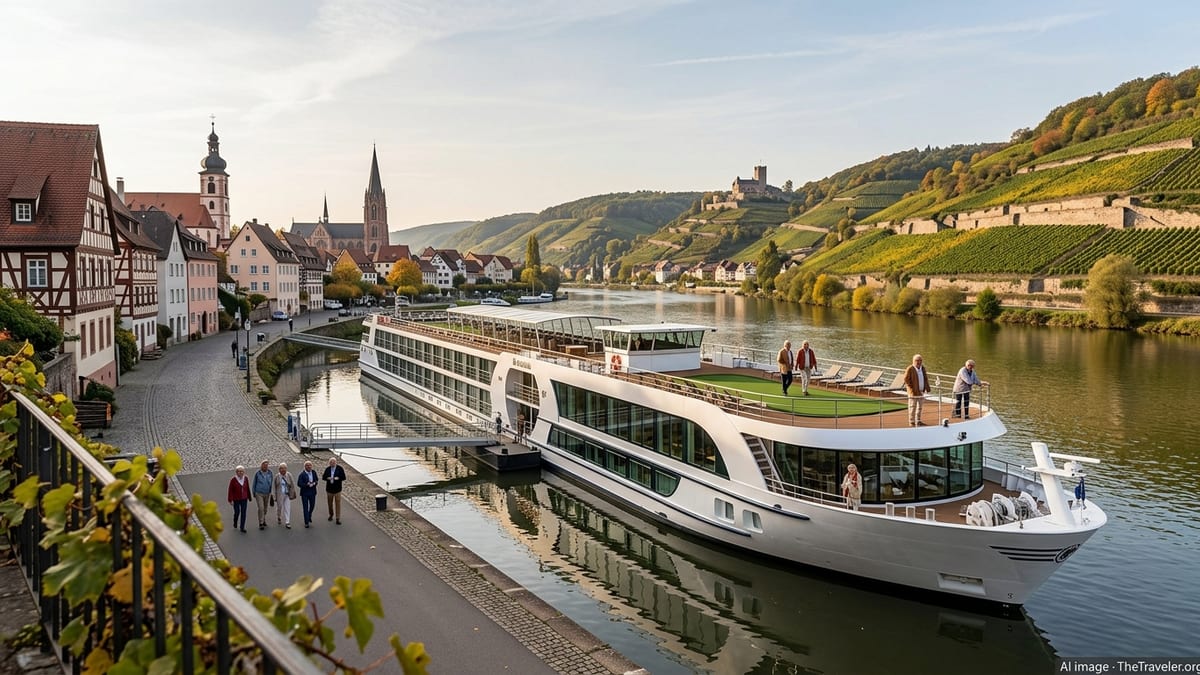
ETC Research Puts Safety at the Heart of Europe’s Appeal
The latest Long-Haul Travel Barometer from the European Travel Commission, produced with rail operator Eurail, reports that Europe is viewed as the safest global destination among travellers from key overseas markets including the United States, Canada, Brazil, Australia, China, Japan and South Korea. According to publicly available summaries of the 2026 edition, safety has become the leading criterion when these visitors select where to go in Europe, ahead of price, famous landmarks or shopping.
ETC barometer findings for earlier seasons already highlighted this shift. The 2/2024 survey showed that safety was the top factor cited by long-haul travellers planning a European summer trip, signalling a clear move toward risk-aware decision-making. More recent material released by the organisation indicates that this trend has strengthened, with a growing share of respondents ranking Europe above competing regions on personal security, health systems and reliability of core services.
These perception indicators align with broader international benchmarks. The World Economic Forum’s Travel & Tourism Development Index for 2024 identifies Europe as the world’s most favourable region for tourism, emphasising its strong performance on safety, hygiene, business environment and infrastructure. The index notes that, despite geopolitical tensions on the continent’s eastern flank, European destinations collectively continue to offer some of the lowest crime and conflict risks facing global travellers.
Tourism performance data underscores how these safety perceptions are translating into actual trips. Figures from UN tourism bodies and Eurostat show that Europe surpassed its pre-pandemic record for international arrivals and overnight stays in 2024, with more than 3 billion nights spent in tourist accommodation across the European Union and roughly three quarters of a billion international arrivals to the wider region.
Stable Societies, Strong Infrastructure and Trusted Health Systems
Analysts point to a combination of structural factors underpinning Europe’s reputation as a safe place to visit. Publicly accessible assessments of global peace and security ranks Europe as the most peaceful region in the world, with seven of the ten most peaceful countries located on the continent. These findings highlight relatively low rates of violent crime in many European destinations, robust judicial systems and well-established rule of law.
The region’s dense network of hospitals, clinics and pharmacies also adds to its appeal for risk-conscious travellers. International comparisons of health systems routinely score many European countries highly on universal access and quality of care. For visitors, this translates into confidence that medical assistance is available within short distances, which has become more important since the pandemic reshaped attitudes toward health security abroad.
Transport and digital infrastructure further reinforce perceptions of reliability. The World Economic Forum’s index notes that Europe offers some of the strongest enabling conditions for travel, from extensive rail networks and frequent air connections to modern telecommunications. The latest ETC barometer reports an increase in interest in rail travel within Europe, with more visitors indicating plans to use rail passes or point-to-point train tickets, often seen as a safe, predictable and environmentally responsible mode of exploration.
Road safety statistics from Eurostat and national authorities also support the continent’s image as comparatively secure. The European Union’s roads are counted among the safest worldwide, with long-term declines in serious accidents. Combined with widely implemented consumer protections for package holidays, passenger rights for flights and trains, and transparent complaint mechanisms, these frameworks help visitors feel that risks are both reduced and manageable.
Why Travellers Choose “Secure and Confident” Holidays
Survey evidence suggests that travellers are increasingly weighing security, predictability and the ability to move freely when choosing where to spend their money. The ETC’s long-haul barometers reveal that concerns about geopolitical tensions, health risks and extreme weather now influence trip planning, but that Europe continues to fare well in relative terms. Respondents repeatedly highlight confidence in public institutions, emergency services and tourism operators across much of the continent.
Schengen-area mobility is another driver of this confidence. Eurobarometer research on attitudes to the Schengen zone shows that citizens and businesses strongly value passport-free movement inside much of Europe, while a majority of respondents believe that external border controls are adequate to ensure security without undermining travel freedoms. For long-haul visitors, this framework allows them to cross multiple countries on a single trip with consistent rules on visas, security checks and consumer protections.
Perception studies examining tourist behaviour in popular coastal and urban destinations also reveal that experiences on the ground largely match expectations. Academic work on risk perception among visitors to southern European resorts, for example, finds that most tourists consider common petty crime and crowding to be manageable issues rather than major threats. When combined with visible policing in busy areas, clear signage and multilingual information, many travellers conclude that Europe provides an environment where sensible precautions are enough to feel safe.
At the same time, travellers appear to separate localised security concerns from their overall assessment of the continent. Published commentary from travel analysts notes that while certain districts in major cities may require extra awareness, and while destinations closer to conflict zones can see temporary dips in demand, these factors have not altered the general view of Europe as a stable, dependable region for international holidays.
Cost Pressures Rise but Safety Still Outweighs Price
Despite high marks for safety and infrastructure, visitors are increasingly sensitive to cost. The most recent ETC research highlights that financial considerations have become the primary barrier to travel to Europe among long-haul markets, with high airfares, accommodation prices and everyday expenses deterring some would-be travellers. Comparative studies of global destinations show that rival regions in Asia or Latin America can often offer lower prices for accommodation and dining.
However, the same surveys indicate that many travellers are willing to absorb higher costs in exchange for perceived security and quality. When respondents are asked to rank what matters most, safety and reliability often outrank budget considerations, especially among older visitors, family groups and higher-spending segments. For these travellers, the assurance of stable political conditions, functional public services and predictable standards is a core part of the value proposition.
Europe’s tourism sector is responding by promoting experiences that pair safety with clear value. Destination marketing campaigns highlighted in ETC and national tourism board materials focus on longer stays, rail-based itineraries and shoulder-season visits, aiming to spread demand and reduce pressure on peak-season prices. Transparent pricing rules for package holidays and consumer protections on cancellations and delays are also emphasised as part of Europe’s “no surprises” promise.
Industry commentary suggests that this approach is paying off. While travellers may cut back on discretionary spending at the destination, they are often reluctant to compromise on perceived safety. As a result, Europe continues to capture a leading share of global long-haul travel, particularly among repeat visitors who are familiar with local systems and feel confident navigating them.
Looking Ahead: Balancing Security with Openness
Experts caution that Europe’s status as the safest global destination cannot be taken for granted. Reports from security think tanks and peace indexes point to ongoing risks, including cyber threats, isolated terrorist incidents and tensions on the continent’s borders. The World Economic Forum’s tourism assessments also warn that broader geopolitical instability could test the resilience of transport networks and supply chains that underpin safe travel.
Policy debates within the European Union show an effort to strike a balance between reinforcing security and maintaining the openness that makes multi-country travel so attractive. New digital border systems, expanded passenger data programmes and updated safety standards for transport operators are being introduced with the aim of improving protection while preserving fluid movement across internal borders.
At destination level, tourism authorities are investing in crowd management, early-warning systems for extreme weather and upgraded emergency communication tools, often accessible in multiple languages. Public information campaigns encourage visitors to register for alerts, understand local regulations and purchase appropriate insurance, positioning personal preparedness as a complement to institutional safeguards.
For now, available evidence suggests that travellers remain convinced by Europe’s blend of security, reliability and cultural diversity. As the 2026 summer season approaches, booking data and sentiment surveys continue to place the continent at the top of global wish lists, confirming that, for many international tourists, peace of mind has become as important as beaches, museums or cuisine when choosing where to go.