


More news on this day
Days after WestJet reached a tentative agreement to end a disruptive flight attendant strike, a patchwork of rebookings, hotel stays and improvised detours suggests that some passengers are still struggling to get home.
Get the latest news straight to your inbox!
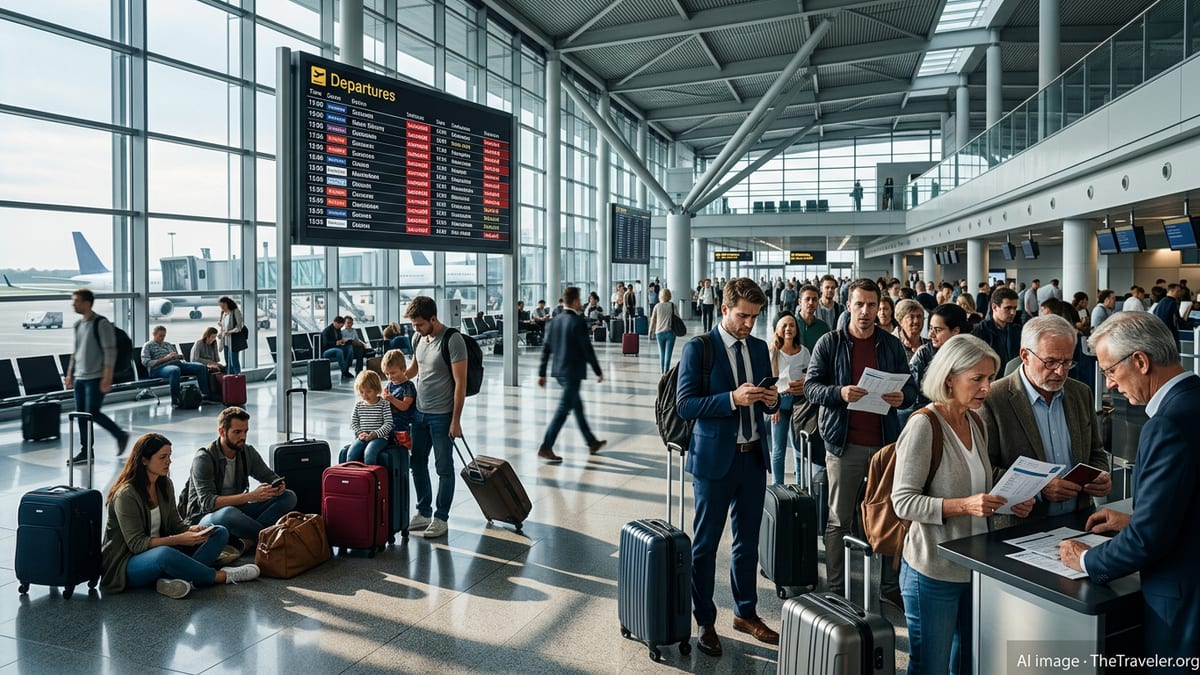
Strike disruption leaves a lingering trail
The walkout by WestJet flight attendants at the start of August led to hundreds of flight cancellations across Canada and on key transborder and leisure routes, according to published coverage from Canadian and international news outlets. The disruption stranded thousands of travelers over the long weekend, many of whom found themselves sleeping in terminals or scrambling for last minute alternatives as schedules unraveled.
Reports indicate that the airline moved quickly to trim its schedule in advance of the strike deadline, cancelling flights on August 1 and 2 in an attempt to limit same day chaos. While that approach reduced the number of aircraft, crew and passengers in motion once the strike began, it also meant that some travelers saw their trips cancelled before leaving home, with limited options to depart on their original dates.
A tentative deal announced early in the following week allowed WestJet to begin rebuilding its schedule. Publicly available information shows that most operations have since resumed, but the backlog of displaced passengers, along with peak summer demand, has meant that not everyone could be accommodated immediately on direct WestJet services.
As a result, the question for many travelers has shifted from whether their flights will operate to how long it will take to complete their journeys and who will bear the extra costs incurred along the way.
Rebookings stretch across multiple days and airlines
Travel forums and social media posts from early August describe a wide range of rebooking experiences. Some passengers report being placed on WestJet flights later in the week, while others describe being shifted onto partner and competitor airlines, including major Canadian and U.S. carriers, when WestJet seats were not available on suitable dates.
In several cases, travelers say they were offered itineraries involving long layovers or multiple connections, sometimes turning what should have been a straightforward domestic leg into a two day journey via distant hubs. A number of accounts describe being routed through cities where travelers required, or believed they might require, additional entry documentation, adding anxiety to already complex trips.
Other passengers report success in securing relatively seamless alternatives, particularly those traveling between major Canadian hubs where additional capacity was easier to find. Publicly available reports indicate that temporary agreements between WestJet and other airlines allowed some rebookings on competing carriers during the strike period, easing pressure on key routes.
Yet these options have not been evenly distributed. On less frequent leisure routes, and for travelers already abroad when their return flights were cancelled, rebooking has in some cases stretched over several days, leaving people in hotels or vacation rentals while they wait for the next available seat home.
Stranded abroad: costly detours and visa complications
The sharpest impact appears to have fallen on passengers stranded outside Canada when the strike began. Online accounts from destinations in the Caribbean, Europe and the United States describe families facing unexpected extensions to their trips when return flights were cancelled, with limited direct alternatives in the following days.
Some travelers report being rebooked on routings that required transiting countries where they did not hold the necessary visas or travel authorizations, forcing them to seek further changes at additional cost. In other cases, passengers say they were presented with the choice of paying significant sums for seats on other airlines or waiting several days for space to open up on WestJet or partner flights.
For long haul leisure travelers, the financial impact has gone beyond airfares. Extra hotel nights, local transportation, meals and missed work days have all been cited by passengers documenting their situations online. While some travel insurance policies may cover parts of these expenses, the level of protection varies, and not all travelers carried policies that respond to labour disruptions.
These experiences underscore how a short strike at a major carrier can ripple across global itineraries, particularly in high season when aircraft are already operating close to capacity and spare seats are limited.
What passenger rights and policies currently allow
Under Canada’s Air Passenger Protection Regulations, labour disruptions such as strikes are generally classified as events outside an airline’s control. Guidance from public agencies and legal commentators indicates that, in these circumstances, carriers are required to complete affected passengers’ itineraries but are not obliged to provide financial compensation for delays or cancellations tied directly to the labour dispute.
Published summaries of WestJet’s tariff and customer policies show that the airline commits to rebooking passengers on its own services or, when necessary, on other carriers when flights are cancelled for reasons beyond its control. However, coverage also indicates that entitlements to hotels, meals and other expenses are more limited in these scenarios than in cases where disruptions are deemed within the airline’s control, such as certain mechanical issues.
This framework helps explain the gap between passengers’ expectations and the assistance some say they received on the ground. While many travelers expected full coverage of hotel nights and incidental costs while stranded, the regulations and tariffs focus primarily on getting passengers to their final destination rather than reimbursing all knock on expenses.
Consumer advocates following the situation have pointed travelers toward documenting their costs, reviewing both airline policies and travel insurance terms, and, where appropriate, pursuing claims through formal complaint channels if they believe commitments were not met.
Are passengers still stranded now?
With the tentative agreement in place and flights gradually returning to the schedule, most WestJet passengers affected during the first days of the strike appear to have reached their destinations or secured confirmed rebookings. Airport operations at key hubs are reported to be stabilizing, with fewer day of cancellations than during the peak of the disruption.
However, scattered reports as of early August suggest that some travelers remain in limbo, particularly those on complex itineraries originating overseas or on routes with limited frequency. In these cases, the combination of full summer flights, limited alternative carriers and the need to align connections has extended the time required to find workable options.
For travelers still abroad, publicly shared experiences highlight the importance of maintaining regular contact with the airline through digital channels, monitoring flight availability across multiple airports, and being prepared to accept unconventional routings to return home. Some passengers have chosen to purchase tickets outright on other airlines and pursue refunds or claims later, prioritizing certainty over the possibility of a longer wait for a carrier arranged solution.
As operations normalize in the days ahead, the number of remaining stranded passengers is likely to shrink further. Yet the episode has already sparked a broader conversation in Canada about summer travel resilience, the limits of existing passenger protections and how airlines can better support customers caught in the middle when labour negotiations break down.