


More news on this day
Austria is moving ahead with a patchwork of tougher tourism rules aimed at calming chaotic visitor numbers in its most famous beauty spots, as alpine villages and historic cities push back against overtourism and experiment with new fees, limits and crowd controls.
Get the latest news straight to your inbox!
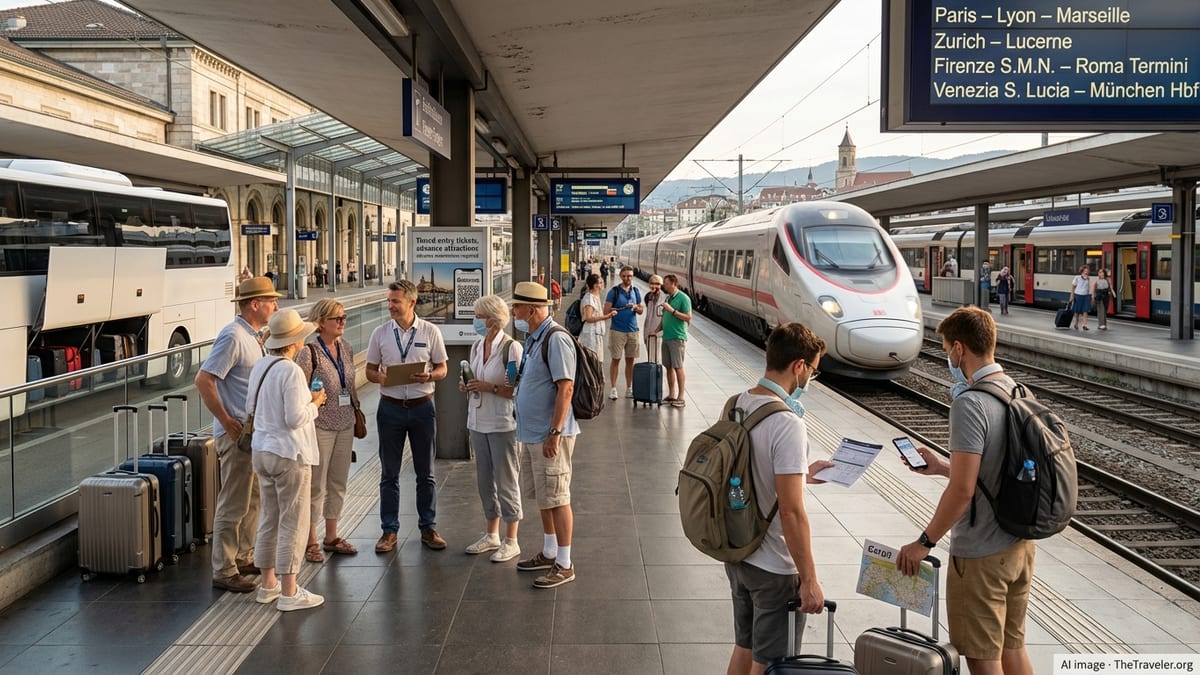
Overtourism Flashpoints Put Austria Under Pressure
Picturesque destinations across Austria have spent years grappling with overtourism, as record visitor numbers strain streets, public transport and natural landscapes. Published data shows that overnight stays in the country continued to rise through the 2025 summer season, with tens of millions of nights logged nationwide and the strongest pressure on classic alpine and lake regions as well as Vienna and Salzburg.
Public sentiment remains broadly positive toward visitors, but surveys of residents indicate mounting unease in individual hotspots. Polling released in 2026 on tourism acceptance found that nearly half of Austrians viewed current visitor numbers as appropriate, yet a significant minority in key tourism regions considered the volume too high, particularly during peak season and major events.
These concerns are sharpened in locations that have become social media sensations. The lakeside village of Hallstatt in Upper Austria, for example, has fewer than 1,000 residents but attracts hundreds of thousands of visitors each year. It is frequently cited in international travel coverage and online forums as one of Europe’s starkest examples of overtourism, with streets clogged by tour groups and narrow access roads backed up by buses and cars in high season.
Local authorities around the country are now testing new tools to manage the influx, combining long-standing visitor taxes with tighter rules on transport, parking, short-term rentals and day-tripper access. These changes are beginning to reshape how both domestic and international travelers move through Austria.
From Visitor Caps To Bus Bans: Hallstatt’s Strict New Playbook
Hallstatt has become a symbol of the new approach. After years of debate, the village has moved ahead with a series of measures aimed at limiting daily visitor numbers and restoring what residents describe in local reporting as a liveable balance between tourism and everyday life.
Reports from regional media and municipal announcements describe a package that includes strict time slots and numerical caps for tour buses, mandatory advance registration for larger groups and higher parking and entry fees for coaches in peak hours. Day-trip buses that previously arrived without coordination are now steered into specific windows, with operators warned that slots can sell out during the busiest months.
The village has also tightened rules on where coaches can stop and how long they may remain, pushing some traffic to designated parking areas outside the compact center. Shuttle services and timed drop-offs are increasingly used to reduce the constant flow of large vehicles along the lakeshore road, which locals say had become overwhelmed on sunny weekends.
Alongside transport controls, Hallstatt is leaning more heavily on traditional instruments such as local overnight taxes and minimum-stay rules in accommodation. Booking platforms for guesthouses and apartments in the wider Salzkammergut region highlight higher per-night tourism levies from October 2026, as well as stricter minimum stays during holiday periods, signaling an attempt to shift away from high-turnover, one-night stops toward longer, potentially lower-impact visits.
Tourist Taxes Rise As Regions Target High-Impact Stays
Tourist taxes, long embedded in Austria’s travel economy, are emerging as a central tool in the new strategy. Visitors who stay in hotels, guesthouses or private apartments across most federal states already pay a nightly fee, collected via accommodation providers and passed on to municipalities or regional tourism boards. Travel industry briefings and local government information portals describe these levies as a way to fund infrastructure, marketing and services connected to tourism.
In recent years, several regions have begun raising these charges or adding supplementary mobility-focused fees. Coverage from Austrian media highlights examples in Alpine provinces where overnight taxes are being increased, with legal upper limits for per-night charges moving toward 3 euros in smaller destinations and up to 4 euros in major resort areas. New mobility components in some regions are earmarked for public transport, parking management and environmental projects.
Specific destinations around Hallstatt and the Dachstein-Salzkammergut area are already advertising higher local taxes and clear age thresholds for when they apply, often exempting children under 15. Price lists for lakeside apartments now underline that tourist taxes are calculated separately from the basic room rate and final cleaning costs, making the additional charge more visible to guests and travel agents.
Vienna and other large cities also maintain their own versions of overnight levies on commercial rentals, and public information pages explain obligations for those who rent out apartments to tourists via platforms. These materials stress rules on guest registration, tax treatment of rental income and the requirement to pass on local tourism charges, part of a broader effort to bring the fast-growing short-term rental market into line with traditional hotel regulations.
Short-Term Rentals And Transport Passes Face Fresh Scrutiny
Austria’s regulatory shift is not limited to headline tourist taxes. Urban governments are paying closer attention to how short-term rentals, tour buses and discount travel passes interact to concentrate large numbers of visitors in already crowded districts.
In Vienna, official guidance for residents who rent to tourists sets out registration duties and clarifies when letting out an apartment counts as a business activity under trade law. Authorities signal that these rules apply to a wide range of platforms and direct bookings, and that failure to comply can trigger penalties. The underlying goal, according to publicly available documentation, is to prevent unregulated holiday rentals from shrinking the housing supply and bypassing local taxes.
Transport has become another focus. Austria’s nationwide KlimaTicket, a low-cost annual pass that offers unlimited public transport travel, has been praised in academic research for boosting rail and transit demand. At the same time, planners are examining how cheaper, more flexible mobility affects seasonal crowding in city centers and scenic corridors, particularly when combined with heavily promoted day-trip excursions.
To reduce bottlenecks at pinch points, several municipalities and tourism regions are rolling out stricter parking regimes, including mandatory use of peripheral garages for visitors to historic cores and shuttle transfers to car-free centers. Information from local tourism boards in the Salzkammergut and Tyrolean valleys points to expanding park-and-ride schemes, with higher fees for cars that attempt to approach old towns and lakesides during peak times.
Balancing Visitor Demand With Resident Acceptance
Despite mounting complaints from heavily visited communities, nationwide surveys suggest that most Austrians still view tourism as economically vital and broadly positive. Data summarized by the national statistics office for 2025 indicates that only a small share of residents described tourism as having a “very high” negative impact, while nearly half judged visitor numbers as appropriate for their region.
The tension, analysts note, lies in the uneven distribution of that impact. Mountain villages on key scenic routes, UNESCO heritage sites and postcard-perfect lake towns bear the brunt of peak-season crowds, while neighboring valleys and lesser-known cities receive more moderate flows. Tourism officials and industry groups have therefore begun promoting alternative routes and secondary destinations, encouraging travelers to spread trips over a wider geography and outside the most crowded weeks.
Public campaigns emphasize respect for local life, including reminders to avoid blocking narrow streets, keep noise down in residential quarters and use designated viewpoints instead of climbing into fragile meadows or private gardens. Messaging also urges visitors to consider overnight stays in nearby towns rather than only quick photo stops in the most saturated spots.
For travelers planning trips in 2026 and beyond, the emerging picture is of a country that remains eager to welcome guests but less willing to leave crowd patterns to chance. Higher fees, booking requirements and stricter rules around access are becoming part of the Austrian travel experience, particularly in photogenic locations that once seemed overwhelmed by chaotic day-trip traffic.