


More news on this day
Vienna is stepping into the global spotlight as host of the 70th Eurovision Song Contest in May 2026, triggering a sharp rise in visitor numbers, new cultural programming and a wave of fan-oriented events that are reshaping the city’s tourism landscape.
Get the latest news straight to your inbox!
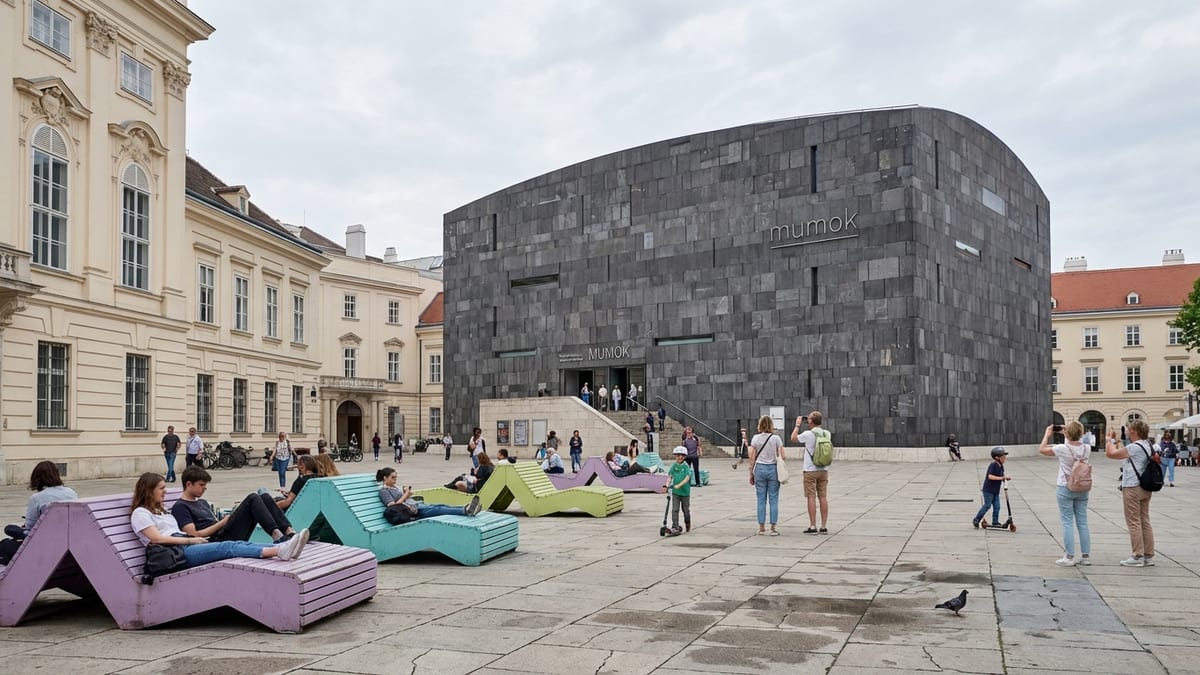
Milestone contest brings record fan demand
The 2026 edition of Eurovision, returning to Vienna for the third time after 1967 and 2015, is widely viewed as one of the most anticipated in the contest’s history. Publicly available information shows that the 70th anniversary branding, combined with Austria’s 2025 victory, has helped fuel demand from dedicated fan communities and casual visitors alike.
The contest’s Grand Final is scheduled for 16 May at Wiener Stadthalle, with semi finals on 12 and 14 May. Travel and events coverage indicates that the arena’s show capacity of around 10,500 seats per live broadcast has not dampened enthusiasm, as ticket sales opened in several waves and were met with rapid sell outs across key categories. Reports from fan groups tracking sales suggest that tickets were snapped up within minutes in many allocations.
According to recent summaries of data released by organisers, fans from more than 70 countries are expected to travel to Vienna for Eurovision week, with Austria accounting for a significant share of sales but with strong representation from Germany, the United Kingdom, Italy and the Nordic markets. Tourism-focused analysis published in Austria notes that this global mix is likely to exceed the international fan influx recorded during the 2015 contest.
Vienna’s hotel sector appears to be one of the early winners. Booking platforms and trade publications report elevated occupancy and rising room rates across the main contest week, particularly in districts close to Wiener Stadthalle and central areas near the fan zones and Eurovision Village. Business travel media also highlight a parallel rise in conference and corporate hospitality bookings timed to the contest, as companies leverage Eurovision’s visibility for client events.
Citywide fan zones and a reimagined public space
Far beyond the arena itself, the Austrian capital is being reshaped into a continuous Eurovision fan zone. The official Eurovision Village on Rathausplatz is set to host live screenings of the shows, concerts by past and present contestants and themed performances that run throughout the week. Municipal event information describes the square as a central hub for tens of thousands of visitors, with a focus on free public access and a curated programme that runs from afternoon to late evening.
Coverage from local tourism channels indicates that additional fan zones and public viewing areas are being rolled out across the city, including riverside spaces, cultural courtyards and selected urban squares. These sites are designed to disperse crowds more evenly while keeping the atmosphere visible in multiple neighbourhoods, creating a festival corridor that stretches from the historic centre toward western districts near the Stadthalle.
The opening ceremony on 10 May, built around the traditional turquoise carpet, is another focal point for this transformation of public space. Information released by broadcasters and fan media outlines a route that links the Burgtheater with Vienna City Hall, effectively turning a central cultural axis into a Eurovision parade route lined with fans. Event previews point to staged performances, national delegations greeting supporters and an emphasis on highlighting Vienna’s architectural landmarks along the way.
Urban planners quoted in local analysis pieces suggest that these interventions are part of a longer term strategy to position Vienna as a large scale events city that can integrate major broadcasts into everyday public life, rather than confining them to closed arenas. Temporary signage, wayfinding systems and themed illumination of key buildings are being deployed to guide visitors and reinforce that message.
Cultural renaissance powered by music and museums
While the live shows anchor Eurovision week, institutions across Vienna are using the moment to launch new programming that links the city’s classical heritage with contemporary pop culture. The Belvedere, one of Vienna’s leading museums, is spotlighting a special focus on queer perspectives and popular music references in a project tied to the contest dates, positioning itself as a bridge between historic collections and present day fan communities.
According to programme information from the city’s cultural calendar, the Wien Museum is hosting a Eurofan House that combines talks, presentations and meet the artist formats curated with fan organisations and online Eurovision platforms. These events are framed as spaces for transnational fan interaction, with sessions exploring Eurovision history, costume design, stage technology and the role of online communities in shaping voting narratives.
Music focused venues are also increasing their schedules. Guides published by Vienna’s tourism bodies highlight themed concerts in concert halls and smaller clubs, featuring both Eurovision alumni and local acts performing reinterpretations of contest classics. Several events draw explicit lines between the works of historical composers associated with Vienna and the theatrical performance style that defines modern Eurovision.
Observers of the city’s cultural policy note that this combined programming signals a broader strategy to refresh Vienna’s image beyond its reputation for imperial architecture and classical music. By embracing Eurovision’s inclusive and sometimes irreverent pop culture, institutions aim to attract younger audiences and position the city as a contemporary creative hub as well as a historic one.
Tourism economy braces for a new benchmark year
A study commissioned ahead of the event by Austrian economic researchers, as summarised by city press releases and trade media, projects a substantial uplift in overnight stays, visitor spending and media value compared with a typical May. The analysis draws on data from Vienna’s hosting of Eurovision in 2015, when the contest delivered a marked spike in arrivals and hotel utilisation, and scales those figures upward to reflect the growth of the event and the 70th anniversary branding.
National tourism organisations describe Eurovision 2026 as a flagship event within Austria’s wider post pandemic tourism recovery, sitting alongside major cultural festivals and congresses in the annual calendar. Marketing materials reference the contest as an opportunity to showcase Vienna’s public transport system, environmental credentials and compact urban layout, all framed as factors that make the city well suited to high profile international gatherings.
Hospitality trade outlets report that restaurants, bars and night time venues are adapting their offerings to match the expected influx. Many are planning extended opening hours, themed menus, viewing parties and multilingual staffing. Retailers in key shopping streets are also preparing Eurovision themed window displays and product lines, with particular emphasis on merchandise, fashion collaborations and limited edition items that appeal to visiting fans.
Industry analysts commenting in regional business media suggest that the long term impact may extend beyond the contest week itself. High global TV audiences and extensive social media engagement are expected to boost Vienna’s international visibility for months after the final, supporting future leisure travel and reinforcing the city’s appeal for conventions and cultural tourism. If visitor numbers and spending match or exceed projections, Eurovision 2026 could set a new benchmark for how large scale entertainment events reshape the tourism economy of Europe’s historic capitals.
Legacy planning and inclusive city branding
Alongside the immediate tourism boom, attention is turning to how Eurovision 2026 might leave a lasting legacy in Vienna. City communications and tourism board materials emphasise themes of openness, diversity and accessibility, positioning the contest as part of a broader campaign to portray Vienna as a welcoming destination for all visitors, including LGBTIQ+ travellers and families.
Digital tools are central to this approach. The official city app promoted for Eurovision week offers themed city guides that cover Eurovision history locations, live music venues, queer culture hotspots and key sights, encouraging visitors to explore beyond the main tourist corridors. Travel analysts note that this strategy aligns with trends toward self guided urban discovery and can help distribute visitor flows more evenly across districts.
Infrastructure investments linked to the contest are relatively modest compared with some previous mega events, focusing more on upgrades to existing venues, transport services and digital infrastructure than on new construction. Commentary in local press suggests this reflects Vienna’s existing readiness to host large events and a desire to prioritise sustainable, low impact improvements that benefit residents after the cameras leave.
As rehearsals begin and delegations arrive, early indicators from tourism bodies, cultural institutions and fan communities point to a Eurovision that is more than a televised spectacle. For Vienna, the 70th contest is emerging as a catalyst for renewed global attention, a testing ground for inclusive city branding and a real time experiment in how pop culture can invigorate a historic capital’s tourism and cultural landscape.