


More news on this day
Residents of a Bucyrus, Ohio neighborhood are being allowed to return home after an evacuation order was lifted following a Norfolk Southern freight train derailment that raised concerns over a possible hydrochloric acid leak.
Get the latest news straight to your inbox!
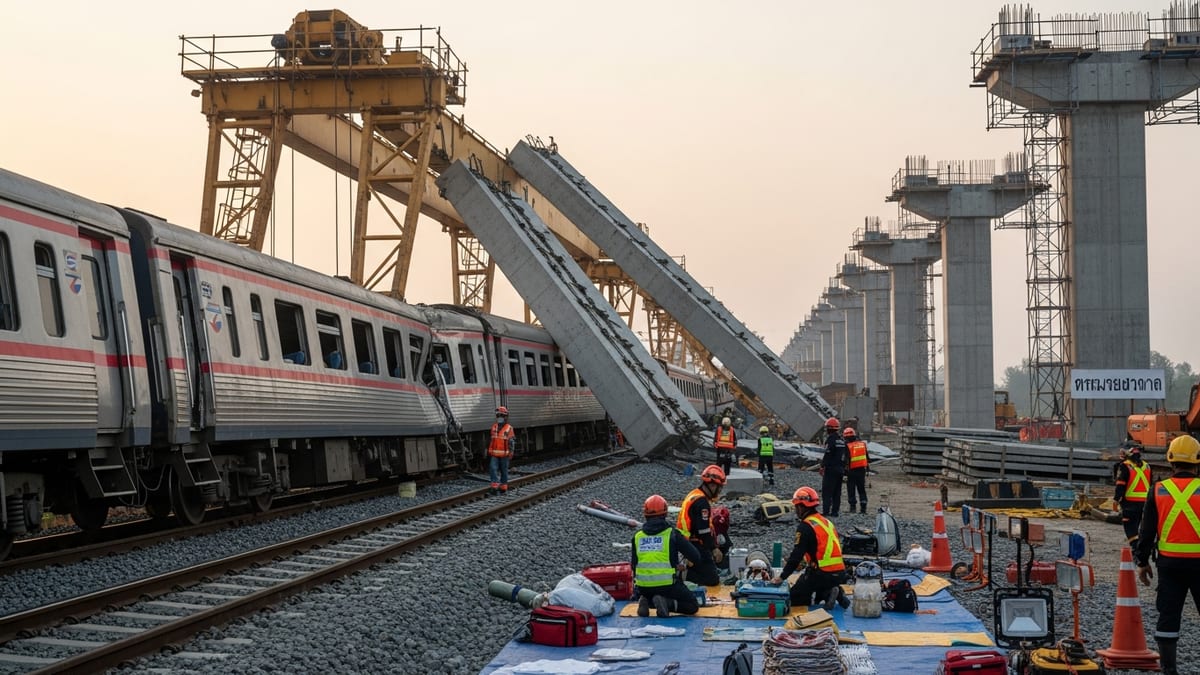
Evacuation Order Eases After Overnight Hazard Response
Publicly available information indicates that the evacuation directive, first issued on Sunday night for homes near Whetstone Street and Auto Avenue, has now been withdrawn as emergency crews report no continuing threat to the wider community. The order initially covered residents within roughly a one mile radius of the derailment site, but that zone was gradually narrowed before the restriction was lifted.
Regional broadcast outlets and local digital newsrooms report that testing around the site did not show readings that would require keeping most residents out of their homes. As conditions stabilized, guidance shifted from broad evacuation to more limited access controls close to the tracks, allowing traffic and daily routines to begin returning to normal in much of the city.
While the formal evacuation has ended, access near the damaged cars remains restricted as rail and hazardous materials teams continue inspections and cleanup. Travelers headed through Bucyrus are being advised in published coverage to expect intermittent road closures and detours in the immediate vicinity of the crossing where the derailment occurred.
Travelers and nearby residents are also being encouraged, according to local alerts summarized in news reports, to continue monitoring municipal and county channels in case shifting wind conditions or new test results prompt additional safety guidance.
Derailment Involved Acid Tanker in Residential Area
The derailment occurred Sunday evening when multiple cars of a Norfolk Southern freight train left the tracks near an at grade crossing west of downtown Bucyrus. Reports indicate that among the derailed cars was at least one tanker believed to be carrying hydrochloric acid, a corrosive chemical that can irritate the respiratory system and, in higher concentrations, pose serious health risks.
Images and descriptions shared through regional outlets show toppled freight cars and a displaced tank car resting beside the tracks close to residential streets. Travel news observers note that the location highlights the proximity of heavy freight movements to homes and local roads in many small Midwestern cities, a factor that can transform an otherwise contained rail incident into a neighborhood emergency.
According to published coverage, early air monitoring around the scene did not show dangerous levels of contaminants, though uncertainty about the status of the tanker led to the initial large evacuation footprint. Hazmat teams focused first on stabilizing the car and preventing any significant product release before transitioning to more detailed inspections.
Rail specialists consulted in prior national reporting on similar events describe hydrochloric acid as a material that emergency crews take seriously, even when monitoring suggests a limited leak or no confirmed breach, because of the potential for shifting conditions to rapidly change risk levels.
Temporary Shelter and Road Disruptions for Residents and Travelers
As residents left the evacuation zone Sunday night, Bucyrus High School was opened as an emergency shelter, according to local news accounts. Travelers and out of town visitors passing through northern Ohio found the school serving as a temporary waypoint, offering cots, basic supplies and a safe place to wait while the situation developed.
Road closures around the derailment site had a visible effect on local travel patterns, with drivers detoured away from Whetstone Street and nearby routes. For those heading between Mansfield and other north central Ohio destinations, the disruption added delays and detours, underscoring how quickly a rail incident can ripple across regional transportation networks.
Reports from regional broadcasters note that buses and shuttles assisted some evacuees in reaching the shelter, while others left in private vehicles or stayed with friends and family elsewhere in the city. By Monday, traffic volumes near the high school and on key approaches to Bucyrus were easing as the evacuation order was rolled back and many residents returned home.
Travelers planning to pass through Bucyrus in the coming days are being advised in publicly available dispatches to allow extra time and to follow posted detours, as track repairs, equipment staging and remaining safety checks may keep certain crossings closed or partially restricted.
Ongoing Monitoring and Questions About Rail Safety
Although the immediate emergency phase has subsided, environmental monitoring and safety reviews are expected to continue around the Bucyrus site. Coverage from Ohio based outlets indicates that response teams have been collecting air and, where relevant, soil and surface water samples to confirm that any leak was limited and that conditions remain within accepted safety parameters.
Travel and infrastructure observers point out that the Bucyrus derailment arrives amid heightened national attention to rail safety, particularly involving Norfolk Southern. Comparisons are being drawn in published analyses to the 2023 East Palestine derailment in eastern Ohio, which also involved hazardous materials and led to intense scrutiny of inspection practices, braking technology and emergency planning.
In that wider context, the Bucyrus incident is likely to feed into ongoing policy discussions about freight traffic through populated areas and the safeguards in place when tank cars carrying corrosive or flammable substances move near homes, schools and travel corridors. Commentaries in transportation and environmental reporting suggest that communities along major rail lines are increasingly attuned to these risks.
For travelers, the episode serves as a reminder that rail related disruptions can affect road itineraries, lodging plans and perceived safety in otherwise quiet destinations. Industry watchers expect that, as investigations proceed, publicly released findings will shape future guidance on routing, equipment standards and emergency notification systems for towns like Bucyrus that sit at key junctions in the regional rail grid.
Impact on Bucyrus as a Regional Stop for Visitors
Bucyrus markets itself as a small, historic Ohio city that often functions as a convenient overnight stop or day trip for travelers moving between larger urban centers. The derailment and temporary evacuation placed that role under stress, as lodging providers and local businesses near the affected area adjusted to road closures, emergency vehicles and a sudden shift in visitor perceptions.
Tourism and travel features on Bucyrus typically highlight its quiet neighborhoods and accessible downtown. The images of derailed tankers near homes stand in sharp contrast to that usual narrative, but regional travel writers note that most of the city’s commercial districts and lodging options remained outside the highest risk zone and continued operating during the response.
According to early business coverage, hotel and short term rental operators fielded questions from guests about air quality and access routes, relying on public information from local agencies and newsrooms to provide reassurance. Some travelers reportedly chose to adjust plans to stay farther from the derailment site, while others treated the event as a temporary disruption on an otherwise routine trip.
As the evacuation order lifts and more detailed assessments become available, Bucyrus is expected to emphasize a return to normal activity while acknowledging traveler concerns about hazardous materials incidents. The city’s experience may inform how other small rail corridor communities communicate with residents and visitors when freight operations intersect unexpectedly with everyday life.