


More news on this day
The Federal Aviation Administration has certified Boeing’s 737 Max 7 for commercial flight, marking a long awaited milestone for the smallest member of the Max family after years of design changes, regulatory scrutiny and schedule setbacks.
Get the latest news straight to your inbox!
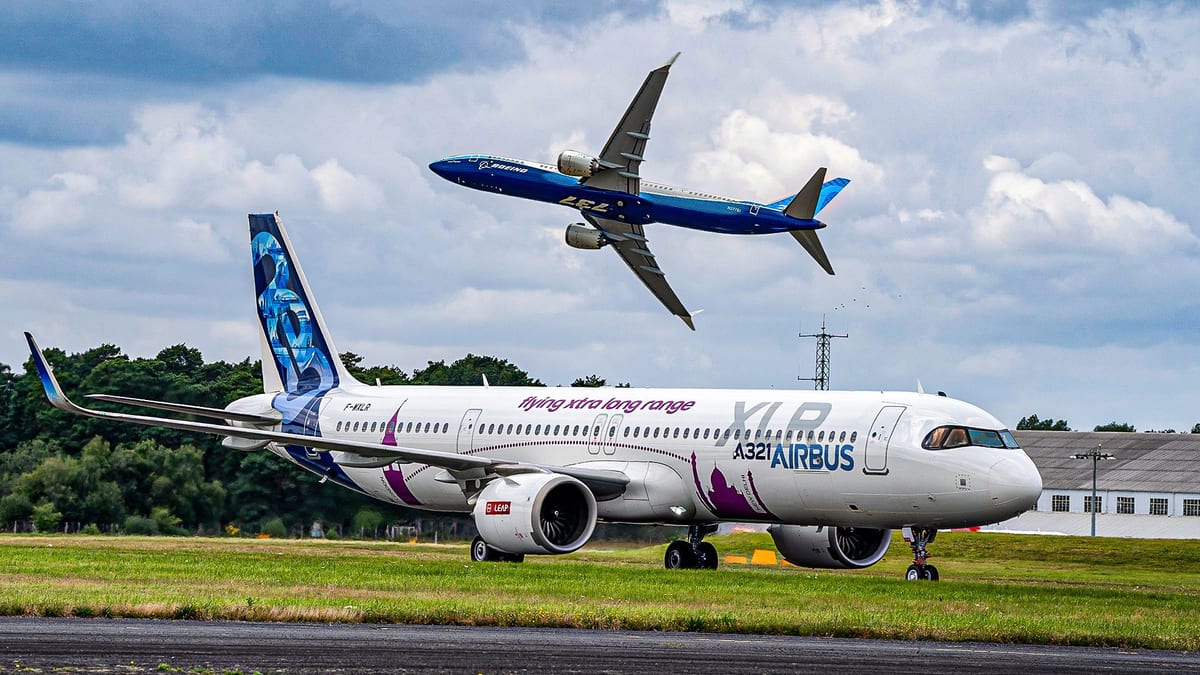
A long delayed milestone for Boeing and the Max family
According to publicly available information, the FAA issued an amended type certificate and updated production limitation record for the 737 Max 7 on August 3, 2026, formally clearing the aircraft to enter airline service in the United States. The decision arrives nearly eight years after the first Max 7 rolled out in 2018 and more than five years after regulators grounded the broader Max fleet following two fatal crashes involving the Max 8 variant.
Published coverage from major news outlets indicates that certification of the Max 7 had repeatedly slipped from original targets as Boeing worked through a series of technical fixes and regulatory requirements. The aircraft shares the Max family’s CFM LEAP 1B engines and aerodynamic updates but is shorter and configured for fewer passengers, targeting high frequency, short haul routes and airports with performance constraints.
Industry analysts note that the certification restores momentum to Boeing’s narrowbody strategy at a time when airlines face strong demand for single aisle jets and long order backlogs at both Boeing and Airbus. The approval also signals that regulators are prepared to advance new Boeing models, provided additional oversight and engineering changes are in place.
The Max 7 becomes the third member of the family to achieve full FAA certification, following the Max 8 and Max 9. Attention now shifts to the stretched Max 10, which remains in the certification pipeline and is viewed as critical for competing with Airbus’s largest A321neo variants.
From crashes and grounding to tighter scrutiny
The pathway to Max 7 certification cannot be separated from the history of the Max program. The global grounding of the 737 Max in 2019, following accidents in Indonesia and Ethiopia, triggered extensive reviews of Boeing’s engineering practices and the FAA’s oversight framework. Investigations highlighted issues around the Maneuvering Characteristics Augmentation System, documentation, and assumptions about pilot training.
In the years that followed, the FAA revamped its approach to Boeing projects, retaining more direct control over key approvals and subjecting design changes to additional analysis and testing. Public FAA summaries describe expanded simulator evaluations, updated pilot training requirements and closer coordination with international regulators for the broader Max fleet.
Within that context, the Max 7’s smaller scale did not translate into a simpler path to approval. Regulators evaluated whether known issues on earlier Max variants, including systems related to flight controls and engine anti ice performance, were fully addressed on the Max 7 before authorizing certification. Public documents related to exemptions and compliance plans indicate that the FAA balanced near term mitigations with longer term hardware and software changes across the family.
Observers in the aviation safety community suggest that the drawn out process reflects a deliberate choice to prioritize systemic fixes over schedule pressure. While the resulting delay frustrated some customers, it also provided a test case for a more conservative certification philosophy that is likely to influence future Boeing programs and competitor projects as well.
What Max 7 certification means for airlines and travelers
The Max 7 is designed primarily for carriers that operate large fleets of 737s on short and medium haul networks. Industry reporting notes that Southwest Airlines is the largest customer, having positioned the Max 7 as a backbone aircraft for dense domestic and regional routes. The certification clears the way for deliveries to begin once individual aircraft complete standard production checks and airworthiness approvals.
For airlines, the aircraft offers a mix of lower fuel burn compared with older 737 Next Generation models and the flexibility of a shorter fuselage, which can be better suited to routes with moderate demand or performance limitations such as hot and high airports. The shared cockpit and systems with other 737 Max variants allow carriers to maintain common pilot training and maintenance infrastructure.
From a traveler’s perspective, the introduction of the Max 7 is unlikely to bring dramatic changes in cabin experience compared with existing Max aircraft. Seating layouts, overhead bin designs and cabin lighting options are broadly similar across the family, with specifics determined by each airline. The most tangible effects are expected to involve schedule reliability and route options as airlines add capacity with more efficient aircraft.
Some consumer advocates remain focused on how regulators will monitor the fleet in service, particularly in light of earlier concerns about production quality on certain Boeing models. Public statements and policy updates indicate that the FAA has pledged more on site oversight and data driven surveillance of airline operations, which would also encompass the newly certified Max 7.
Remaining questions on anti ice fixes and future variants
One of the technical issues that contributed to the Max 7’s protracted certification timeline involved the engine anti ice system, an area that drew heightened attention from regulators. FAA documents released over the past two years reference interim mitigation measures and longer term design updates that Boeing is obligated to implement across multiple Max variants.
Industry reporting describes a phased approach in which some fixes are incorporated during production of new aircraft, while retrofit programs are planned for jets already in service. The Max 7’s certification reflects the FAA’s assessment that the aircraft, as delivered, meets applicable safety standards with these measures in place and with specified operating limitations where needed.
Questions remain about how quickly Boeing can roll out final hardware and software modifications across the broader fleet and how those changes might affect the certification schedule for the larger Max 10. Airlines that have ordered both the Max 7 and Max 10 are watching the timelines closely, since fleet planning and route strategies often rely on a mix of capacities within the same aircraft family.
Aviation analysts also point out that the outcome of these technical programs will influence Boeing’s standing with foreign regulators. While FAA certification is a crucial step, individual civil aviation authorities in other regions typically conduct their own validations before allowing new aircraft to operate in their airspace.
Implications for Boeing’s recovery and the single aisle market
The certification of the Max 7 arrives as Boeing works to stabilize production, address lingering quality concerns and rebuild trust with customers. The company has faced heightened scrutiny since a midair panel incident on a 737 Max 9 in early 2024 led to temporary groundings and fresh inspections of manufacturing processes at key facilities.
By securing approval for a new Max variant, Boeing gains additional flexibility to manage its backlog and offer airlines a broader range of sizes within the same family. This is particularly important in competition with Airbus, whose A320neo lineup has captured a significant share of global single aisle orders in recent years, including many commitments for the long range A321XLR.
Market watchers caution that a single certification milestone does not resolve all of Boeing’s challenges. The company still faces pressure to meet production targets, contain costs and demonstrate consistent quality over time. Regulators, investors and airline customers are likely to judge the success of the Max 7 not just on its technical performance, but also on how smoothly deliveries and early operations proceed.
Even so, the FAA’s decision gives Boeing a tangible achievement to present to airlines and the traveling public after a period dominated by setbacks and investigations. As the first Max 7 aircraft enter revenue service in the coming months, their performance and reliability metrics will become an important indicator of whether the manufacturer’s multi year effort to reset its narrowbody program is taking hold.