


More news on this day
A severe power outage at Perth Airport has led to widespread flight cancellations and delays, leaving travellers stranded across Australia and forcing airlines and airport staff into extended recovery operations following stormy weather across Western Australia.
Get the latest news straight to your inbox!
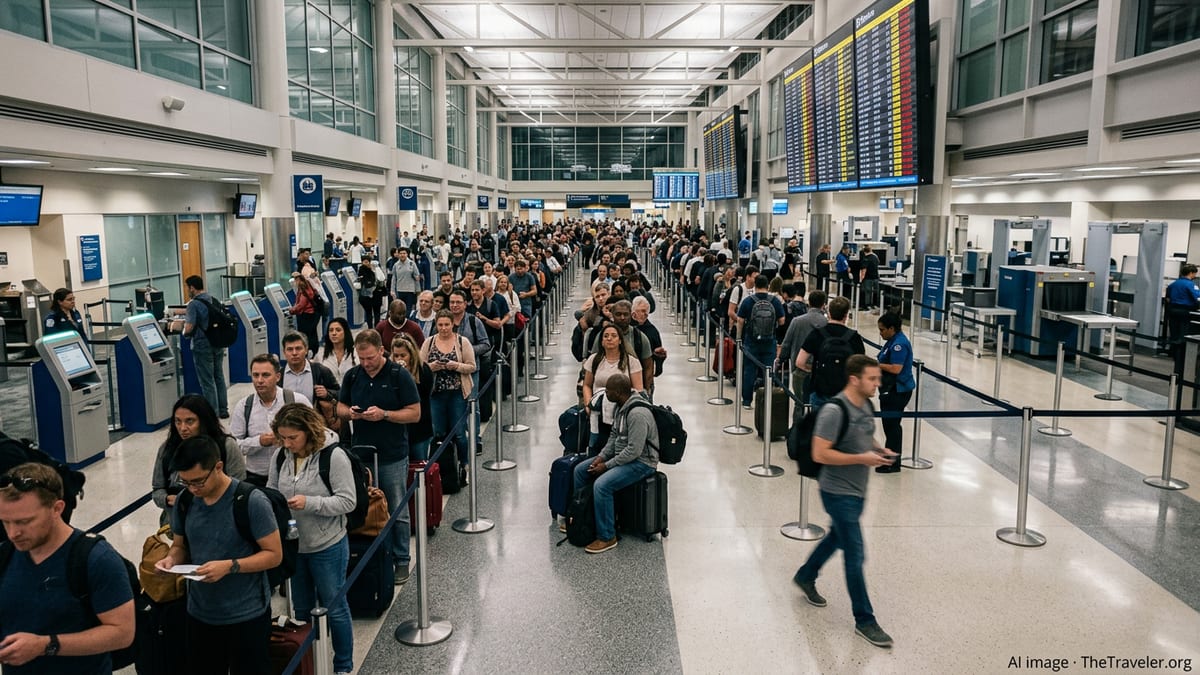
Power failure hits terminals during peak travel
Published coverage indicates the disruption began on Thursday, 29 October 2026, when a loss of power affected key terminal systems at Perth Airport, interrupting check-in, security screening and boarding processes. Local media reports describe departure boards going dark and processing lines coming to a standstill as backup systems struggled to keep pace with the outage.
Perth-based outlets report that generator power was brought online during the afternoon, gradually restoring lights and essential services in the terminals. However, the temporary loss of mains power, combined with the time required to reboot airport and airline systems, triggered a growing queue of delayed departures and arrivals.
Reports indicate that the outage coincided with severe weather sweeping across Perth and surrounding regions, with strong winds and heavy rain already placing additional pressure on air traffic operations. In the hours following the power loss, live flight data showed a mix of delays and cancellations on services operated by Qantas, Virgin Australia, Jetstar and other carriers.
By early evening, publicly available information suggested that power had been restored across the main terminal precincts, but the operational knock-on effects were only beginning to be felt by passengers whose journeys depended on tightly timed connections.
Flights cancelled and connections missed
Australian news coverage notes that the sudden interruption forced multiple airlines to reshuffle schedules, with some flights departing significantly late and others cancelled outright. Long-haul and interstate services were particularly vulnerable, as a missed departure slot in Perth meant that aircraft and crew were then out of position for subsequent legs.
Passenger accounts cited in local reporting describe travellers left waiting at airports in other Australian cities after their Perth-bound flights were cancelled or heavily delayed due to the power problems. Some travellers reported missed connections onto international services, while others faced extended waits for rebooked domestic flights once operations in Perth began to recover.
Data from independent flight-tracking platforms in the days following the incident show a pattern of irregular operations into and out of Perth Airport, with some overnight and early-morning services marked as delayed or cancelled as airlines worked through backlogs. This lingering disruption underscores how a power outage measured in hours can translate into days of altered flight plans for travellers.
Published guidance from travel commentators emphasised that a general airport outage notice does not always capture the full impact on individual flights. Travellers were encouraged to verify flight status directly through airline apps and booking tools, where cancellation and rebooking options are displayed more quickly than on general airport dashboards.
Storms, infrastructure and backup systems under scrutiny
The outage has renewed attention on the vulnerability of aviation infrastructure to extreme weather and grid failures. Recent planning documents and public strategy papers for Perth Airport identify power reliability, severe storms and resource use as key operational risks, noting that extended outages can translate directly into passenger delays and reputational damage.
Following the latest incident, one detailed report on the disruption notes that Perth Airport has initiated a review of its backup generation and resilience measures after storm-related conditions contributed to the loss of mains power. Publicly available information suggests that on this occasion, auxiliary systems did not prevent a significant interruption to passenger processing and flight operations.
The broader Western Australian aviation network has already experienced weather-related issues in 2026, from runway maintenance constraints at Perth to lightning damage at smaller regional airports. The power failure at the state’s primary international gateway has therefore added fresh urgency to ongoing projects aimed at strengthening critical infrastructure and ensuring more robust continuity plans.
Longer-term airport development plans, including runway works and terminal consolidation projects, already must factor in climate resilience, energy diversification and the capacity of backup systems. The latest outage is likely to fuel questions among travellers and local communities about how quickly such upgrades can translate into more reliable day-to-day operations.
Airlines and airport move into recovery mode
Publicly available statements from airlines operating at Perth Airport indicate that carriers moved into recovery mode once power and core systems were restored, focusing on rebooking stranded passengers and repositioning aircraft. Some airlines reported delays to multiple flights during the outage window, while others described operating reduced but continuing services as conditions slowly improved.
Media reports note that airline responses included arranging overnight accommodation for some disrupted passengers on affected routes and adding extra capacity where possible on subsequent days to help clear backlogs. However, constraints linked to aircraft availability, crew duty limits and pre-existing runway works meant that not all disrupted itineraries could be fully normalised within a single day.
Airport travel alerts and information pages, alongside airline channels, encouraged passengers to arrive early, build in additional time for check-in and security, and monitor real-time updates. Passengers with flexible tickets or non-urgent travel dates were advised through public guidance to consider changing their plans rather than risking long waits at the terminal.
For travellers in transit across Australia, the uneven pace of the recovery meant that some routes and time slots returned to near-normal operations relatively quickly, while others remained constrained. This patchwork pattern is typical after large-scale airport disruptions, where each airline must balance recovery flights with existing schedules.
What travellers should know for upcoming flights
With storm season and scheduled airfield works continuing around Perth, travel experts recommend a cautious approach for passengers flying to or from the city in the coming weeks. Publicly accessible airport advice already urges travellers to allow extra time for road congestion around Terminals 1 and 2 and to stay alert to temporary changes linked to construction and runway maintenance.
For anyone holding tickets impacted by the recent outage, key steps include checking the latest status in the airline’s official app, confirming any automatic rebooking, and keeping receipts for accommodation and meals in case of later claims under airline policies. Published guidance stresses that airport-wide notices and media coverage provide useful context, but the decisive information on delays, cancellations and compensation comes through the operating carrier.
Travel reports on the Perth disruption underline the importance of tracking both departure and arrival conditions, particularly for those connecting onward to long-haul services in Asia, the Middle East or Europe. Even once departures from Perth Airport appear to have stabilised, residual delays elsewhere in the network can still affect return flights and onward connections.
For now, publicly available schedules show Perth Airport once again handling a full slate of domestic and international services, but the recent power outage has highlighted how quickly that normality can be upended. Travellers planning trips through Western Australia’s main gateway are likely to pay closer attention to backup plans, travel insurance and flexible booking options as another busy holiday period approaches.