


More news on this day
The head of the U.S. Federal Aviation Administration is convening airline chief executives around a new plan to tackle chronic flight delays, focusing on tighter scheduling controls at major hubs, air traffic control staffing and technology upgrades as carriers brace for another crowded travel season.
Get the latest news straight to your inbox!
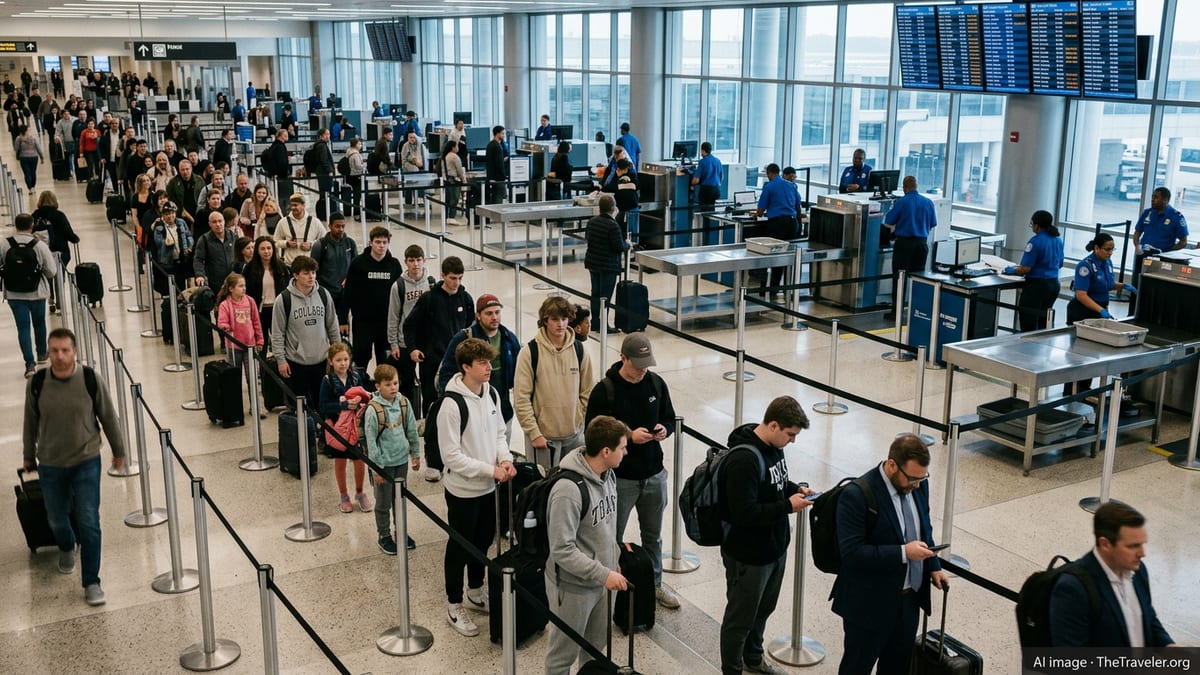
High‑level talks focus on schedules at congested hubs
According to recent Federal Register notices and FAA statements, the latest round of talks is centered on how much traffic the busiest U.S. hubs can realistically handle without triggering cascading delays. Regulators have been using formal “scheduling reduction meetings” with air carriers when they determine that overscheduling at a particular airport is likely to overwhelm capacity during peak hours.
Publicly available records show that this approach was recently applied at Chicago O’Hare International Airport for the 2026 summer season. The FAA capped daily operations well below what airlines had filed, arguing that planned schedules significantly exceeded what air traffic control and airport infrastructure could accommodate at peak times. The move followed earlier discussions with carriers on trimming flights to reduce the risk of gridlock and mass cancellations.
Regulatory filings describe these meetings as open to all scheduled carriers and chaired by the FAA administrator, with the goal of reaching voluntary schedule reductions that still allow airlines to meet demand. For travelers, the effect is fewer individual departures but a system that is less vulnerable to meltdowns when thunderstorms, equipment issues or staffing gaps emerge.
Data‑driven plan to cut delays without sacrificing capacity
Current planning documents indicate that the agency’s strategy relies heavily on data analysis of demand, delay patterns and staffing levels across the national airspace system. The FAA’s air traffic controller workforce plans for 2026 through 2028 point to a shift toward “data‑driven” staffing models and modern scheduling tools, intended to match controller resources more closely to busy periods at each facility.
In practice, that means pairing schedule caps at the most constrained hubs with new airspace designs, such as higher‑altitude sectors over Florida and rerouting playbooks that can keep aircraft moving when storms or congestion disrupt traditional corridors. Previous seasonal summits with airlines have focused on these playbooks, which allow traffic managers and carriers to quickly agree on alternative routes and altitudes rather than responding on a flight‑by‑flight basis.
Industry coverage suggests that the FAA believes it can maintain safety and reliability with fewer certified controllers than it once forecast, if those controllers are deployed more efficiently and backed by upgraded technology. That proposition has drawn scrutiny from aviation unions and passenger advocates, but it underpins the current discussions with airline leaders about how many flights the system can safely absorb during peak travel windows.
Airline CEOs weigh trade‑offs between growth and reliability
Airlines enter these meetings with competing priorities: protecting growth in key hubs while avoiding the kind of mass disruptions that erode customer trust. Recent statements from major carriers about O’Hare indicate a willingness to accept some schedule constraints in exchange for more predictable operations and better on‑time performance.
Carriers have also been encouraged to deploy larger aircraft on constrained routes, using the same number of slots or operating windows to carry more passengers. FAA summaries of its slot waivers at New York‑area airports show that agencies expect airlines to take advantage of this flexibility, but that doing so requires sufficient ground staff and contingency plans when irregular operations occur.
In the latest round of talks with the FAA administrator, airline chiefs are expected to press for clarity on how long capacity limits at specific hubs will remain in place and what metrics regulators will use to relax or tighten those caps. For travelers, decisions in these closed‑door sessions will influence how many nonstop options exist from their home airports and how resilient those schedules are when the network comes under stress.
Summer travel outlook: fewer chokepoints, persistent pressure
Forecasts for the current and upcoming travel seasons point to continued record demand across U.S. airports, with some hubs planning double‑digit increases in passenger volume compared with pre‑pandemic years. FAA planning documents warn that without targeted interventions at known chokepoints, those increases are likely to translate into more frequent and longer delays, especially along the East Coast and in the upper Midwest.
Recent operational advisories from the agency’s command center still highlight expected departure delays out of key Northeast facilities on busy days, reflecting both weather vulnerability and staffing constraints. At the same time, the regulator has extended schedule flexibility at New York airports through the end of the summer scheduling season and is gradually rebalancing controller assignments between facilities in the region to ease bottlenecks.
Travelers are unlikely to see overnight changes, but reports from past seasons suggest that coordinated planning between the FAA and airlines can shave minutes off average delays and reduce the number of severely disrupted days. The current push by the FAA chief to secure stronger commitments from airline CEOs aims to build on those incremental gains and make them durable as traffic grows.
What travelers should watch as plans take shape
For passengers, the most visible effects of these high‑level meetings will come in the form of schedule adjustments and messaging from their airlines. Carriers may consolidate some frequencies, swap to larger jets on busy routes and adjust connection times as they adapt to slot waivers, schedule caps and new traffic management procedures agreed with regulators.
Consumer advocates point to several indicators worth monitoring: published flight schedules at the most congested hubs, on‑time performance statistics during peak holiday weekends and the pace of air traffic controller hiring relative to the workforce plans now in place. Changes in these metrics over the coming months will offer a concrete test of whether the FAA‑airline strategy is delivering the promised reduction in delays.
As the discussions between the FAA head and airline CEOs continue, the balance between growth and reliability will remain central. With demand still strong and infrastructure upgrades unfolding over years rather than months, the system’s ability to absorb disruptions will hinge on how effectively regulators and carriers translate their planning sessions into day‑to‑day operational discipline.
Federal Aviation Administration – Action to prevent delays at Chicago O’Hare
Federal Aviation Administration – Air traffic controller hiring plan
Federal Register – Operating limitations and meetings at Chicago O’Hare
American Airlines – 2026 summer travel outlook at Chicago O’Hare